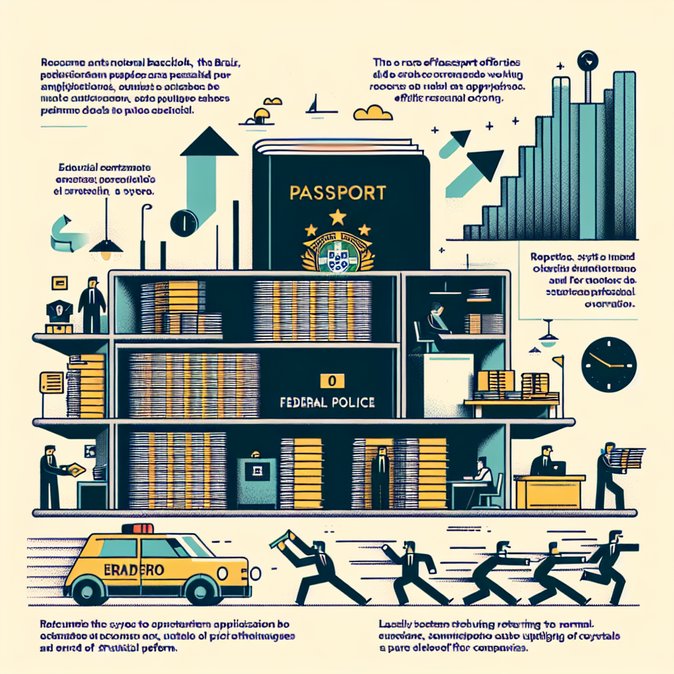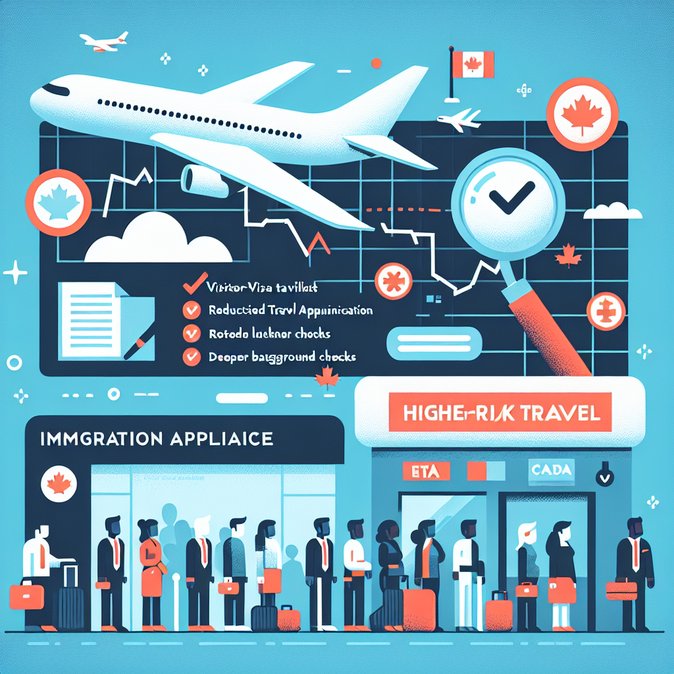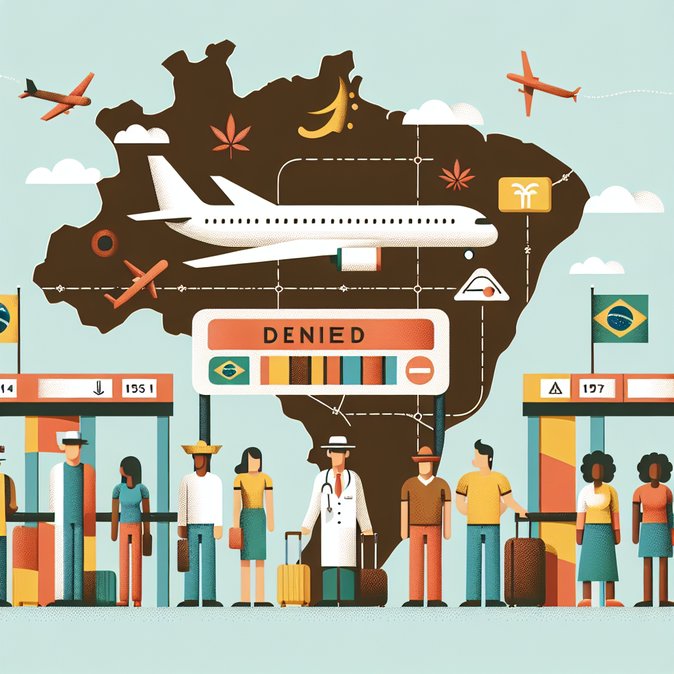
Statistics obtained via Brazil’s Freedom of Information Act and published by news outlet R7 on 11 April 2026 show that U.S. nationals were the most frequently refused travellers at São Paulo-Guarulhos International Airport in the 12-month period ending February 2026. Of 1 534 total refusals, 431 involved U.S. citizens, followed by Bangladesh (205), Canada (109) and China (63). Immigration experts trace the surge to Brazil’s decision in April 2025 to reinstate visa requirements for U.S., Canadian and Australian tourists and business visitors, ending a four-year unilateral waiver. Many would-be entrants arrived without the proper e-visa or with expired approvals, assuming the pre-2025 exemption still applied.
![US Citizens Top List of Foreigners Denied Entry to Brazil as Post-Visa Refusals Spike]()
To help avoid such pitfalls, travellers and global mobility teams can turn to VisaHQ, which offers a streamlined online platform that walks applicants through every step of Brazil’s e-visa process, double-checks documentation requirements and provides real-time status updates; full details are available at https://www.visahq.com/brazil/
For businesses relocating U.S. staff to Brazil, the numbers underscore the importance of meticulous pre-departure checks. Carriers operating to Brazil face fines of up to R$ 10 000 per improperly documented passenger and must repatriate the traveller at their own cost. The Federal Police confirmed that the majority of refusals occur at primary inspection when officers verify the validity of the electronic visa QR code against the migration database. Travellers who previously entered visa-free sometimes mistakenly believed their e-visa could be obtained on arrival. Global mobility managers should refresh onboarding materials, add explicit e-visa confirmation steps to travel approval workflows and remind staff that processing can take five working days. Repeat offenders may face entry bans of one year under Article 66 of the Migration Law.
To help avoid such pitfalls, travellers and global mobility teams can turn to VisaHQ, which offers a streamlined online platform that walks applicants through every step of Brazil’s e-visa process, double-checks documentation requirements and provides real-time status updates; full details are available at https://www.visahq.com/brazil/
For businesses relocating U.S. staff to Brazil, the numbers underscore the importance of meticulous pre-departure checks. Carriers operating to Brazil face fines of up to R$ 10 000 per improperly documented passenger and must repatriate the traveller at their own cost. The Federal Police confirmed that the majority of refusals occur at primary inspection when officers verify the validity of the electronic visa QR code against the migration database. Travellers who previously entered visa-free sometimes mistakenly believed their e-visa could be obtained on arrival. Global mobility managers should refresh onboarding materials, add explicit e-visa confirmation steps to travel approval workflows and remind staff that processing can take five working days. Repeat offenders may face entry bans of one year under Article 66 of the Migration Law.