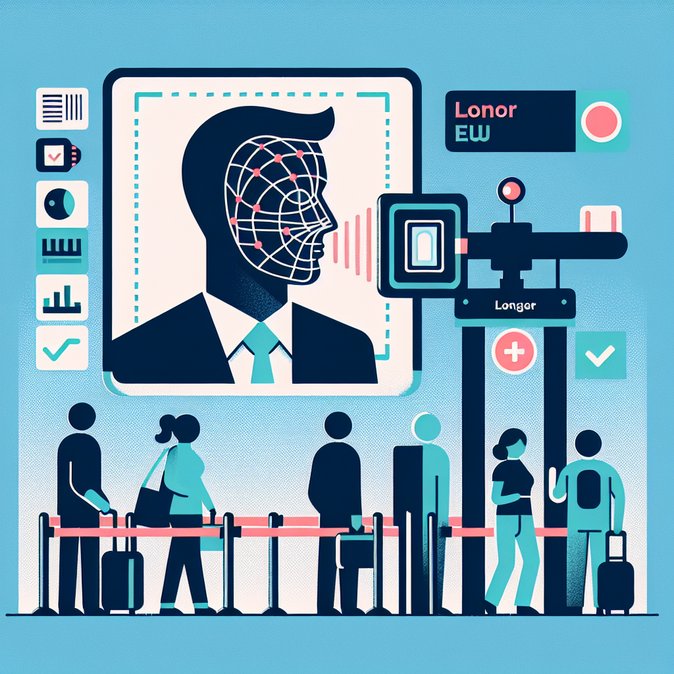
The European Union’s long-awaited Entry/Exit System (EES) became fully operational on 10 April 2026 and Brazilian media picked up the story on 11 April, outlining major changes for non-EU visitors. The Gazeta do Povo report confirms that the physical passport stamp is now history across the 29 Schengen states; instead, biometric data (fingerprints and facial image) plus digital passport scans will be recorded and stored for three years. For Brazilian tourists and short-term business travellers the main impact will be at the first point of entry: expect longer queues — airlines and airports warn of two-hour waits during peak periods until passengers have their biometrics enrolled. Subsequent trips within the validity window should be faster because data are pre-stored, but overstays will be detected automatically.
![Europe’s New Biometric Entry/Exit System Goes Live — What Brazilian Travellers Need to Know]()
Seizing on the new reality, VisaHQ can step in to streamline the paperwork: its Brazil portal (https://www.visahq.com/brazil/) walks travellers and corporate mobility teams through Schengen visa options, documentation checklists and timeline planning, ensuring that engineers, tourists and digital nomads pick the right permit before EES flags an overstay.
The system counts the 90/180-day limit precisely, which means back-to-back weekend city-breaks or rotational offshore shifts must be planned carefully. Overstaying by even one day could trigger fines or multi-year re-entry bans. Companies rotating engineers into Germany or the Netherlands should audit travel patterns and consider applying for long-stay visas where cumulative days exceed the threshold. Travellers can pre-enrol via the ‘Travel to Europe’ mobile app up to 72 hours before arrival in participating countries such as Portugal and Sweden; however, an in-person verification is still mandatory on first entry. Children under 12 are exempt from fingerprint capture but require a facial photo. The EES is the precursor to ETIAS, the paid travel authorisation that the EU expects to switch on later this year. Brazilian passport-holders remain visa-exempt for short stays but will soon have to pay €20 for ETIAS approval before boarding flights to Europe.

Seizing on the new reality, VisaHQ can step in to streamline the paperwork: its Brazil portal (https://www.visahq.com/brazil/) walks travellers and corporate mobility teams through Schengen visa options, documentation checklists and timeline planning, ensuring that engineers, tourists and digital nomads pick the right permit before EES flags an overstay.
The system counts the 90/180-day limit precisely, which means back-to-back weekend city-breaks or rotational offshore shifts must be planned carefully. Overstaying by even one day could trigger fines or multi-year re-entry bans. Companies rotating engineers into Germany or the Netherlands should audit travel patterns and consider applying for long-stay visas where cumulative days exceed the threshold. Travellers can pre-enrol via the ‘Travel to Europe’ mobile app up to 72 hours before arrival in participating countries such as Portugal and Sweden; however, an in-person verification is still mandatory on first entry. Children under 12 are exempt from fingerprint capture but require a facial photo. The EES is the precursor to ETIAS, the paid travel authorisation that the EU expects to switch on later this year. Brazilian passport-holders remain visa-exempt for short stays but will soon have to pay €20 for ETIAS approval before boarding flights to Europe.