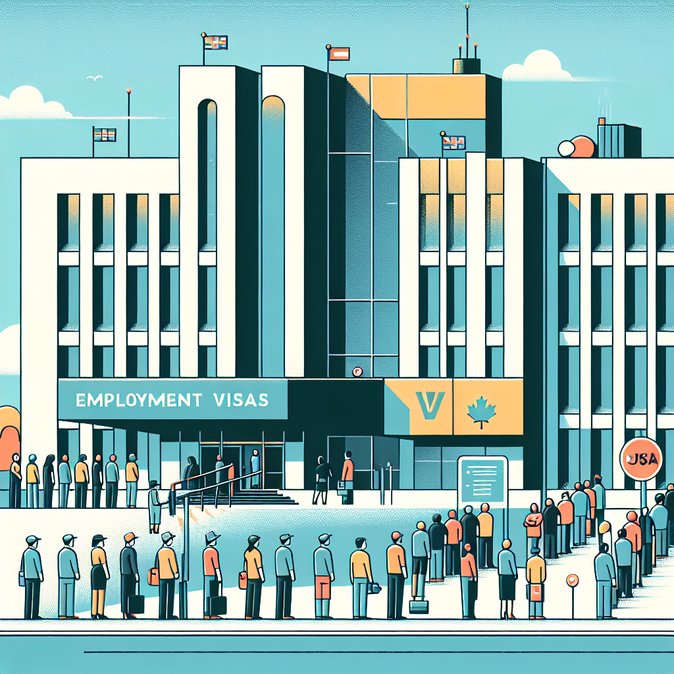
U.S. employers that rely on seasonal and other temporary foreign labor received mixed news on April 10 when U.S. Citizenship and Immigration Services (USCIS) formally announced that it had reached the statutory H-2B cap of 33,000 visas for jobs that start between April 1 and September 30, 2026. The agency simultaneously unveiled a two-tier supplemental allocation that will make up to 46,226 additional visas available—27,736 for positions that begin in April and 18,490 for start dates from May through September. The H-2B category covers non-agricultural, peak-load and intermittent jobs ranging from hotel housekeeping to amusement-park maintenance. Trade associations representing hospitality, landscaping and seafood processing firms have lobbied hard for supplemental numbers, arguing that severe domestic labor shortages and the lingering effect of the Department of Homeland Security (DHS) shutdown have left them little room to scale up for the high-travel summer months. In response, DHS again exercised its discretionary authority—first granted by Congress in 2017—to release additional visas tied to returning workers and to nationals of key partner countries.
![USCIS hits H-2B visa cap for FY26 summer season, releases 46,000 supplemental visas]()
At this juncture, many employers and prospective workers seek out services like VisaHQ for hands-on assistance. Through its U.S. portal (https://www.visahq.com/united-states/), VisaHQ offers up-to-date checklists, application reviews, and help with consular appointment scheduling—resources that can streamline the H-2B process during the program’s extremely tight filing windows.
Although business groups welcomed the expansion, they warned of razor-thin filing windows. Petitions for the April cohort must reach USCIS no later than April 30, and employers must attest that they will suffer “irreparable harm” without the extra workers. The agency also reminded petitioners that March 10 was the last day to file cap-subject petitions for the summer half-year and that late-arriving cases will be rejected. Labor advocates, meanwhile, cautioned that the accelerated timeline and the return-worker carve-out could widen opportunities for recruitment abuse overseas and depress wages for U.S. workers. Practically speaking, companies that secured temporary labor certifications from the Department of Labor should prepare complete H-2B packets—including evidence of peak-season need and transportation commitments—well before the filing window opens. Employers unable to meet the April or May deadlines may need to look to the J-1 Summer Work Travel program or restructure shifts to cope with staffing gaps. For foreign nationals, the message is equally urgent: only beneficiaries who have held H-2B status in the past three fiscal years—or who fall under the supplemental quota for nationals of Northern Triangle and Caribbean countries—stand realistic chances this season. Looking ahead, immigration attorneys expect congressional scrutiny of the program to intensify, particularly after the release of DHS’s forthcoming compliance report on worker protections. Still, barring legislative change, the H-2B program will remain a critical—but highly competitive—tool for U.S. employers facing acute, time-limited labor shortages.

At this juncture, many employers and prospective workers seek out services like VisaHQ for hands-on assistance. Through its U.S. portal (https://www.visahq.com/united-states/), VisaHQ offers up-to-date checklists, application reviews, and help with consular appointment scheduling—resources that can streamline the H-2B process during the program’s extremely tight filing windows.
Although business groups welcomed the expansion, they warned of razor-thin filing windows. Petitions for the April cohort must reach USCIS no later than April 30, and employers must attest that they will suffer “irreparable harm” without the extra workers. The agency also reminded petitioners that March 10 was the last day to file cap-subject petitions for the summer half-year and that late-arriving cases will be rejected. Labor advocates, meanwhile, cautioned that the accelerated timeline and the return-worker carve-out could widen opportunities for recruitment abuse overseas and depress wages for U.S. workers. Practically speaking, companies that secured temporary labor certifications from the Department of Labor should prepare complete H-2B packets—including evidence of peak-season need and transportation commitments—well before the filing window opens. Employers unable to meet the April or May deadlines may need to look to the J-1 Summer Work Travel program or restructure shifts to cope with staffing gaps. For foreign nationals, the message is equally urgent: only beneficiaries who have held H-2B status in the past three fiscal years—or who fall under the supplemental quota for nationals of Northern Triangle and Caribbean countries—stand realistic chances this season. Looking ahead, immigration attorneys expect congressional scrutiny of the program to intensify, particularly after the release of DHS’s forthcoming compliance report on worker protections. Still, barring legislative change, the H-2B program will remain a critical—but highly competitive—tool for U.S. employers facing acute, time-limited labor shortages.