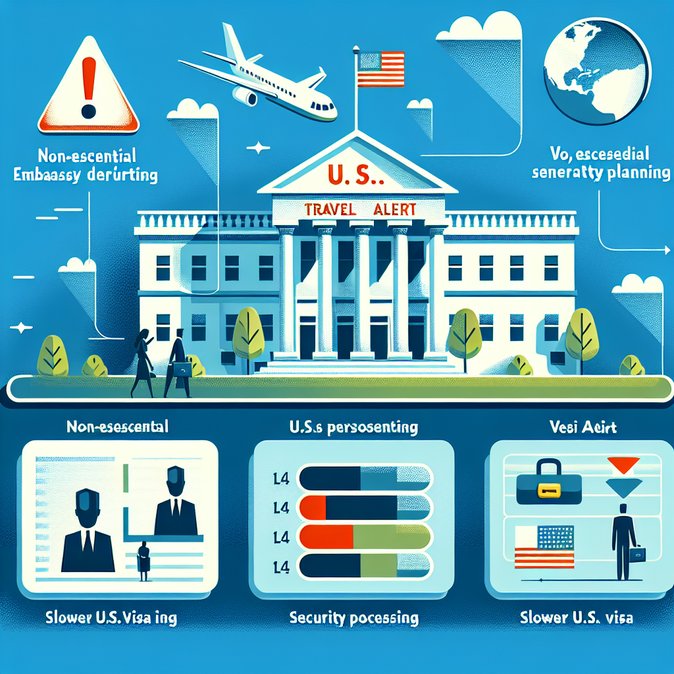
Business and leisure travelers planning trips to West Africa face new hurdles after the U.S. Department of State escalated its travel advisory for Nigeria on April 10, placing large portions of the country under a “Do Not Travel” warning. The advisory cites increased terrorism, kidnapping, and civil unrest and authorizes the voluntary departure of non-emergency U.S. personnel and family members from the embassy in Abuja. Although Nigeria’s commercial capital Lagos remains at Level 3—“Reconsider Travel”—the stricter Level 4 designation for fourteen northern and central states will have knock-on effects for companies that rotate U.S. staff through oil-and-gas installations or humanitarian projects. Firms with expatriates in country should revisit evacuation and kidnap-and-ransom insurance plans and confirm that local security vendors can operate despite curfews and roadblocks that frequently accompany heightened alerts.
![State Department elevates Nigeria to Level 4 advisory, authorizes Abuja embassy draw-down]()
For travelers navigating these new complexities, visa service provider VisaHQ can streamline paperwork and keep applicants updated on shifting requirements. Its online platform (https://www.visahq.com/united-states/) lets U.S. companies and Nigerian nationals alike check the latest forms, assemble supporting documents, and schedule embassy appointments, helping minimize administrative friction when security-driven delays arise.
The advisory may also complicate visa issuance for Nigerian business travelers to the United States. Consular staffing cutbacks during draw-downs typically lengthen appointment wait times, and applicants from Level 4 regions often face additional security screening. U.S. companies expecting Nigerian engineers, executives or students this summer should build extra lead time into project schedules or explore remote-work alternatives. Diplomatically, the move drew immediate pushback from Abuja. Nigerian officials argued that the blanket warning could jeopardize foreign investment during a fragile economic recovery. Analysts note, however, that Washington has issued seven security alerts for Nigeria in the past six months, underscoring persistent instability in the northeast and central belt. Practical tips for travelers include enrolling in the Smart Traveler Enrollment Program, carrying multiple forms of communication, and maintaining a low profile. Employers should confirm that their travel-risk programs trigger automatic itinerary tracking and 24/7 medical-evacuation coverage for personnel transiting the country.

For travelers navigating these new complexities, visa service provider VisaHQ can streamline paperwork and keep applicants updated on shifting requirements. Its online platform (https://www.visahq.com/united-states/) lets U.S. companies and Nigerian nationals alike check the latest forms, assemble supporting documents, and schedule embassy appointments, helping minimize administrative friction when security-driven delays arise.
The advisory may also complicate visa issuance for Nigerian business travelers to the United States. Consular staffing cutbacks during draw-downs typically lengthen appointment wait times, and applicants from Level 4 regions often face additional security screening. U.S. companies expecting Nigerian engineers, executives or students this summer should build extra lead time into project schedules or explore remote-work alternatives. Diplomatically, the move drew immediate pushback from Abuja. Nigerian officials argued that the blanket warning could jeopardize foreign investment during a fragile economic recovery. Analysts note, however, that Washington has issued seven security alerts for Nigeria in the past six months, underscoring persistent instability in the northeast and central belt. Practical tips for travelers include enrolling in the Smart Traveler Enrollment Program, carrying multiple forms of communication, and maintaining a low profile. Employers should confirm that their travel-risk programs trigger automatic itinerary tracking and 24/7 medical-evacuation coverage for personnel transiting the country.