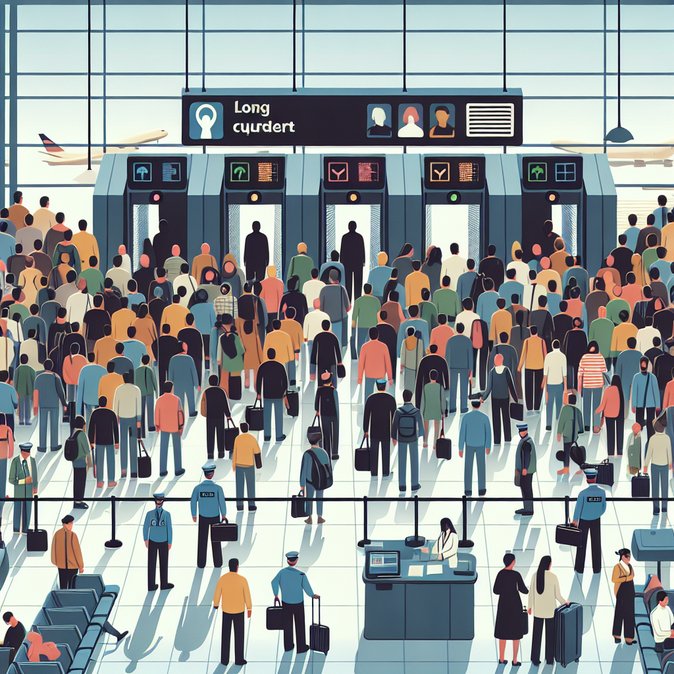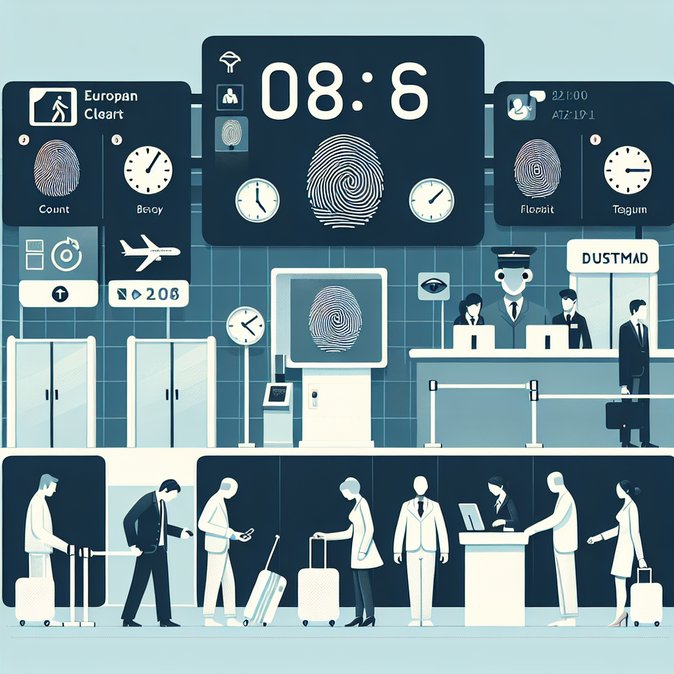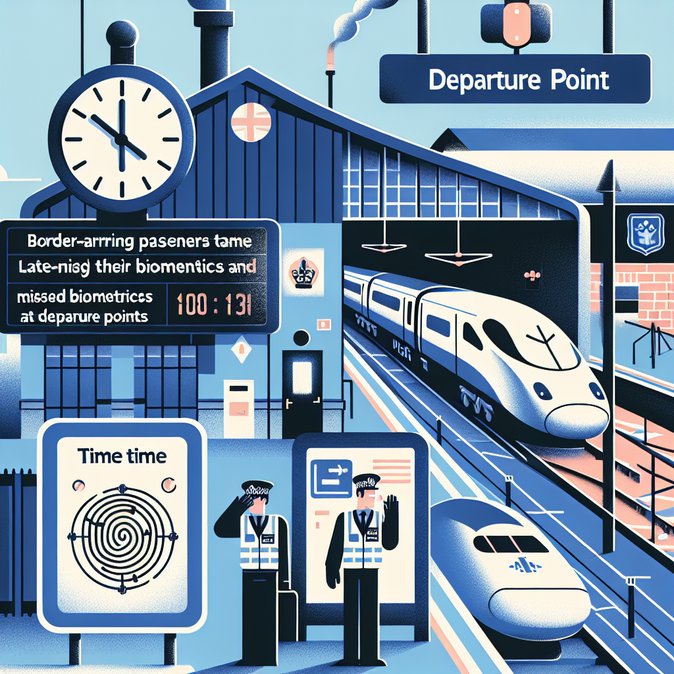
France has officially joined the rest of the Schengen area in switching on the long-awaited Entry/Exit System (EES). From the first flights that landed at Paris-Charles-de-Gaulle just after midnight on 10 April 2026, passport stamps for third-country nationals were replaced by biometric kiosks that capture fingerprints, a facial image and the traveller’s passport data. The French Ministry for Europe and Foreign Affairs says EES will allow border police to know instantly how many days a non-EU visitor has left under the 90/180-day rule while eliminating millions of manual stamps each year.
![France Ushers In Digital Borders as EU Entry/Exit System Goes Live]()
For travellers and mobility teams who want added reassurance before departure, VisaHQ’s dedicated France portal (https://www.visahq.com/france/) provides up-to-date visa guidance, personalised document checklists, and expedited filing services. Whether you need a long-stay permit, a Talent Passport, or simply want to confirm how EES and ETIAS affect your itinerary, VisaHQ can streamline the process and help avoid costly compliance missteps.
Crucially for business travellers, anyone who already holds a French long-stay visa, Talent Passport or residence permit is exempt—meaning assignees and their dependants should still be able to use the EU/EEA lanes with their cartes de séjour. EES has been in pilot mode at selected French airports since October 2025, but 10 April marks the moment every external border—including ports, rail terminals, and overseas departments—must use the system. A first-time enrolment is expected to take about 90 seconds; subsequent crossings require only a quick verification. The government argues that once the databases mature, average wait times will fall below the traditional stamp-and-glance procedure. France sees EES as the technological backbone for the European Travel Information and Authorisation System (ETIAS), scheduled for the final quarter of 2026. Together, officials say, the two programmes will create “smart borders” that redirect human officers toward risk profiling and fast-track programmes. Mobility managers should therefore prepare updated travel policies, including additional airport buffer time for first registrations and clear guidance on who is and is not subject to the new rules.
For travellers and mobility teams who want added reassurance before departure, VisaHQ’s dedicated France portal (https://www.visahq.com/france/) provides up-to-date visa guidance, personalised document checklists, and expedited filing services. Whether you need a long-stay permit, a Talent Passport, or simply want to confirm how EES and ETIAS affect your itinerary, VisaHQ can streamline the process and help avoid costly compliance missteps.
Crucially for business travellers, anyone who already holds a French long-stay visa, Talent Passport or residence permit is exempt—meaning assignees and their dependants should still be able to use the EU/EEA lanes with their cartes de séjour. EES has been in pilot mode at selected French airports since October 2025, but 10 April marks the moment every external border—including ports, rail terminals, and overseas departments—must use the system. A first-time enrolment is expected to take about 90 seconds; subsequent crossings require only a quick verification. The government argues that once the databases mature, average wait times will fall below the traditional stamp-and-glance procedure. France sees EES as the technological backbone for the European Travel Information and Authorisation System (ETIAS), scheduled for the final quarter of 2026. Together, officials say, the two programmes will create “smart borders” that redirect human officers toward risk profiling and fast-track programmes. Mobility managers should therefore prepare updated travel policies, including additional airport buffer time for first registrations and clear guidance on who is and is not subject to the new rules.