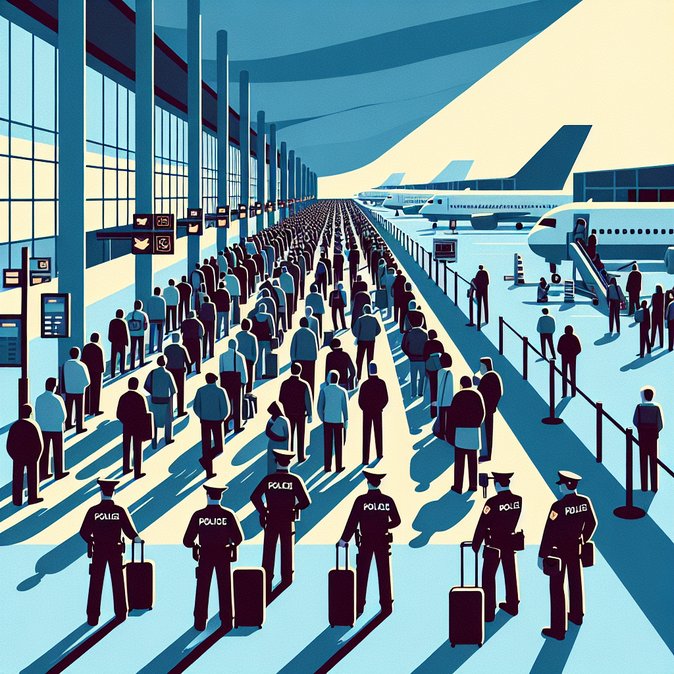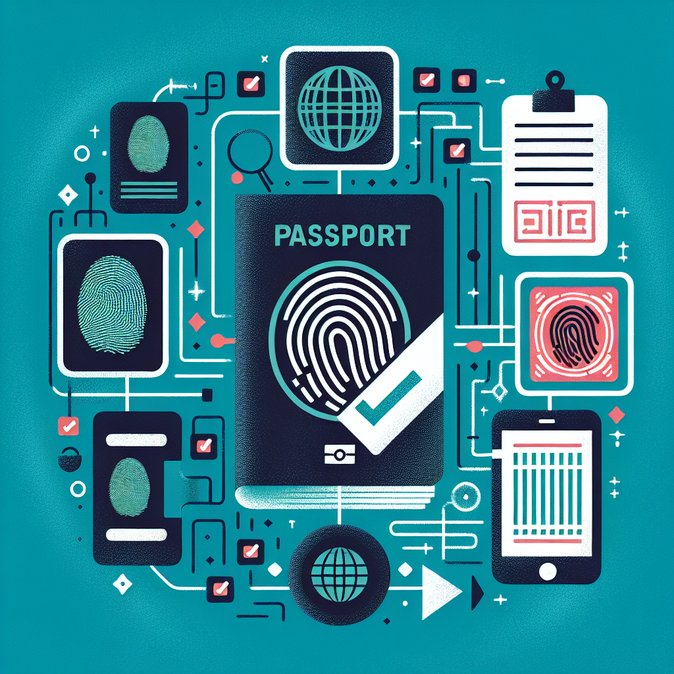
Spain marked a watershed moment for border management on 10 April 2026 when the European Union’s biometric Entry/Exit System (EES) went fully live. From the first arrival of the morning banks of flights at Madrid-Barajas and Barcelona-El Prat, third-country nationals entering Spain no longer received an ink stamp; instead, their facial image, four fingerprints and passport data were captured and uploaded to a shared Schengen database. The change is more than cosmetic. By automatically calculating authorised length of stay, the EES makes it much harder to overstay a 90-day Schengen allowance and equips police with a real-time list of people who have been refused entry or who have breached immigration rules.
![Spain activates EU Entry/Exit System, ending passport stamps for non-EU travellers]()
Whether you’re an individual traveller or a corporate mobility manager, VisaHQ can help you stay ahead of these changes by tracking Schengen stay limits, alerting you to upcoming ETIAS requirements, and simplifying the paperwork for Spain and dozens of other destinations—all from one intuitive dashboard. Explore the service at https://www.visahq.com/spain/
The European Commission says over 52 million crossings were recorded during the trial phase and that 700 people judged to pose a security risk were detected. For companies that rotate staff in and out of Spain on short-term assignments, the digital record removes the ambiguity created by sometimes-illegible passport stamps. Travel managers will be able to download stay histories directly from the system once a traveller authorises access—functionality the Ministry of the Interior expects to release later this quarter. HR teams, however, must adapt their compliance playbooks: where they previously asked employees to send a photo of a stamped passport page, they will now need to request the official EES extract or rely on airline API data. Airports spent the past six months installing more than 780 self-service kiosks and recruiting 500 extra border guards to cope with the initial learning curve. Early feedback from carriers suggests that a first-time enrolment adds 60-90 seconds to the control process—a delay that could multiply during peak summer weekends if passengers arrive unprepared. The Interior Ministry advises travellers to carry their passport (not an ID card), remove hats and glasses in advance of the kiosk, and have fingerprints free of bandages or henna. Longer term, Spanish authorities view EES as the technological backbone for ETIAS—Europe’s electronic travel authorisation—now scheduled for the final quarter of 2026. Once ETIAS is operational, Spain will be able to pre-screen visa-exempt visitors before departure and deny boarding to high-risk passengers, replicating the model used by the United States and Canada. In the words of Interior Minister Fernando Grande-Marlaska, “EES is the lock; ETIAS will be the key that decides who can even approach the door.”

Whether you’re an individual traveller or a corporate mobility manager, VisaHQ can help you stay ahead of these changes by tracking Schengen stay limits, alerting you to upcoming ETIAS requirements, and simplifying the paperwork for Spain and dozens of other destinations—all from one intuitive dashboard. Explore the service at https://www.visahq.com/spain/
The European Commission says over 52 million crossings were recorded during the trial phase and that 700 people judged to pose a security risk were detected. For companies that rotate staff in and out of Spain on short-term assignments, the digital record removes the ambiguity created by sometimes-illegible passport stamps. Travel managers will be able to download stay histories directly from the system once a traveller authorises access—functionality the Ministry of the Interior expects to release later this quarter. HR teams, however, must adapt their compliance playbooks: where they previously asked employees to send a photo of a stamped passport page, they will now need to request the official EES extract or rely on airline API data. Airports spent the past six months installing more than 780 self-service kiosks and recruiting 500 extra border guards to cope with the initial learning curve. Early feedback from carriers suggests that a first-time enrolment adds 60-90 seconds to the control process—a delay that could multiply during peak summer weekends if passengers arrive unprepared. The Interior Ministry advises travellers to carry their passport (not an ID card), remove hats and glasses in advance of the kiosk, and have fingerprints free of bandages or henna. Longer term, Spanish authorities view EES as the technological backbone for ETIAS—Europe’s electronic travel authorisation—now scheduled for the final quarter of 2026. Once ETIAS is operational, Spain will be able to pre-screen visa-exempt visitors before departure and deny boarding to high-risk passengers, replicating the model used by the United States and Canada. In the words of Interior Minister Fernando Grande-Marlaska, “EES is the lock; ETIAS will be the key that decides who can even approach the door.”