With the Balearic Islands bracing for the first big influx of summer visitors, Palma de Mallorca Airport moved quickly on 9 April 2026 to designate exclusive lanes for British passengers ahead of the EES go-live. British travellers account for more than 28% of Palma’s international traffic and most will need to enrol in the biometric system for the first time this weekend.
![Palma de Mallorca Airport creates dedicated ‘UK only’ lanes to ease first-day EES congestion]()
Whether you’re a holidaymaker or a corporate assignee, VisaHQ can streamline the paperwork well before you reach the airport. Through its user-friendly portal for Spain (https://www.visahq.com/spain/), the service guides UK nationals through EES preparation tips, Schengen visa requirements, and any ancillary documents you might need, sparing you stress at border control.
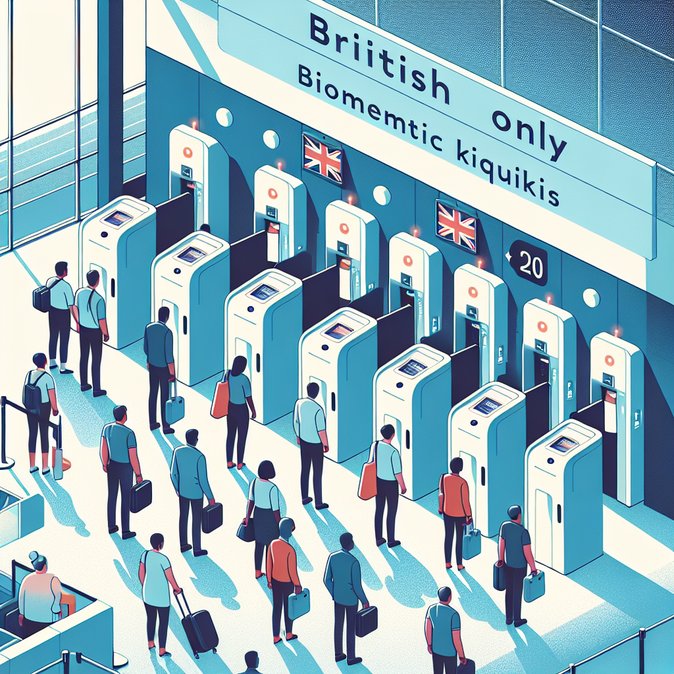
Airport operator AENA and the Spanish National Police have installed ten temporary kiosks next to the main passport control hall. Here, UK nationals complete fingerprinting and facial imaging before proceeding to electronic gates. Extra Guardia Civil officers have been drafted from Ibiza and Menorca to keep queues moving, and tour operators have been asked to stagger coach arrivals. The move follows industry warnings that first-time EES registration could take up to three minutes per person, potentially creating bottlenecks in peak hours. Hoteliers welcomed the decision; the Balearic Hospitality Federation said every hour chopped off the arrivals process means fewer missed dinner reservations and excursion pickups. For mobility teams relocating staff to the islands, the dedicated lanes should reduce the risk of delays that could otherwise eat into the 90-day Schengen allowance. Palma is acting as a test-bed: if the lane segregation works, Málaga-Costa del Sol and Alicante-Elche airports will replicate the model before the May bank-holiday wave. Travellers are still advised to allow extra time and to have passports ready to scan. Children under 12 are exempt from fingerprinting but must accompany parents through the same lane.

Whether you’re a holidaymaker or a corporate assignee, VisaHQ can streamline the paperwork well before you reach the airport. Through its user-friendly portal for Spain (https://www.visahq.com/spain/), the service guides UK nationals through EES preparation tips, Schengen visa requirements, and any ancillary documents you might need, sparing you stress at border control.
Airport operator AENA and the Spanish National Police have installed ten temporary kiosks next to the main passport control hall. Here, UK nationals complete fingerprinting and facial imaging before proceeding to electronic gates. Extra Guardia Civil officers have been drafted from Ibiza and Menorca to keep queues moving, and tour operators have been asked to stagger coach arrivals. The move follows industry warnings that first-time EES registration could take up to three minutes per person, potentially creating bottlenecks in peak hours. Hoteliers welcomed the decision; the Balearic Hospitality Federation said every hour chopped off the arrivals process means fewer missed dinner reservations and excursion pickups. For mobility teams relocating staff to the islands, the dedicated lanes should reduce the risk of delays that could otherwise eat into the 90-day Schengen allowance. Palma is acting as a test-bed: if the lane segregation works, Málaga-Costa del Sol and Alicante-Elche airports will replicate the model before the May bank-holiday wave. Travellers are still advised to allow extra time and to have passports ready to scan. Children under 12 are exempt from fingerprinting but must accompany parents through the same lane.