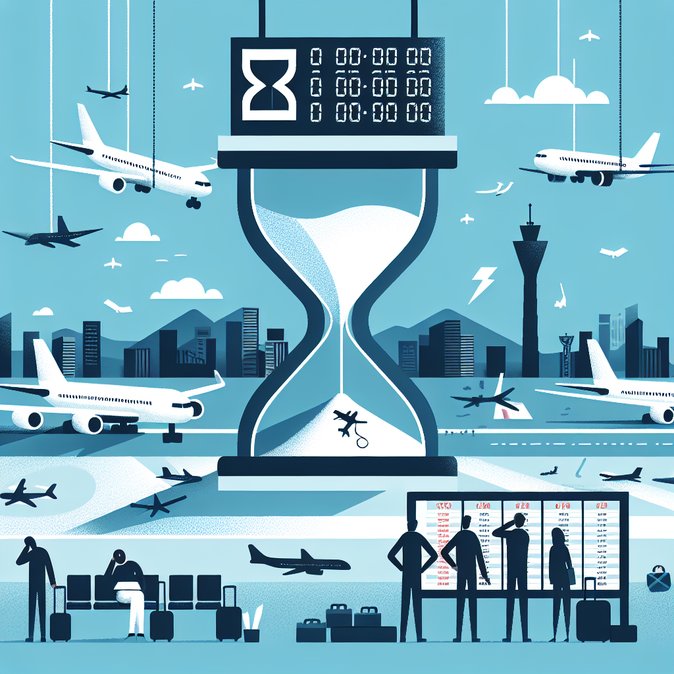
Brazil’s tightly-meshed domestic air-network was thrown into chaos on Thursday, 9 April, after an electrical failure at the São Paulo Area Control Centre forced a ground-stop at Congonhas (CGH) and Guarulhos (GRU). Although the Força Aérea Brasileira put the outage at only 36 minutes, operational data compiled by airports and aviation-tracking platforms show that the knock-on effects lasted well into the evening. By mid-afternoon at least 222 flights were cancelled and more than 800 delayed, affecting every major hub from Brasília to Belo Horizonte. The incident re-affirmed a longstanding structural vulnerability: almost one-third of Brazil’s scheduled services either originate, terminate or transit through greater São Paulo. When the city sneezes, the national network catches a cold.
![Power failure in São Paulo air-traffic control ripples nationwide, cancelling 220+ flights]()
Travellers scrambling to rebook or adjust itineraries may also need to verify visa requirements if their rerouted journeys involve different entry points or unexpected overnight stays. VisaHQ’s digital platform (https://www.visahq.com/brazil/) provides an easy way to check Brazil’s entry rules, secure e-visas and other travel documents, and receive real-time updates—saving both leisure and corporate fliers valuable time during disruptions.
Shuttle routes on the “air bridge” between São Paulo and Rio de Janeiro were hardest hit; missed rotations quickly cascaded into cancellations as LATAM, GOL and Azul struggled to reposition crews and aircraft. International operators such as TAP Air Portugal and American Airlines also saw long-haul departures slide out of slot banks while they waited for delayed feeders. For corporate travel managers the timing was brutal: Thursday is one of the heaviest business-traffic days, and many travellers reported overnight layovers after missing onward connections. Under Brazil’s ANAC Resolution 400, airlines must provide meals, communications and, after four hours, hotel accommodation—but delivering that assistance at scale proved difficult with customer-service desks overwhelmed. Consumer-rights groups are urging passengers to retain receipts for later reimbursement claims. Air-navigation officials have opened a technical inquiry into the root cause of the outage and the resilience of back-up systems. Industry associations are using the episode to press the government to accelerate planned upgrades to the legacy power grid that feeds the control centre and to diversify routing options for critical data links. In the meantime, carriers have warned that residual delays could spill over into the early morning bank of 10 April as aircraft and crews are repositioned.
Travellers scrambling to rebook or adjust itineraries may also need to verify visa requirements if their rerouted journeys involve different entry points or unexpected overnight stays. VisaHQ’s digital platform (https://www.visahq.com/brazil/) provides an easy way to check Brazil’s entry rules, secure e-visas and other travel documents, and receive real-time updates—saving both leisure and corporate fliers valuable time during disruptions.
Shuttle routes on the “air bridge” between São Paulo and Rio de Janeiro were hardest hit; missed rotations quickly cascaded into cancellations as LATAM, GOL and Azul struggled to reposition crews and aircraft. International operators such as TAP Air Portugal and American Airlines also saw long-haul departures slide out of slot banks while they waited for delayed feeders. For corporate travel managers the timing was brutal: Thursday is one of the heaviest business-traffic days, and many travellers reported overnight layovers after missing onward connections. Under Brazil’s ANAC Resolution 400, airlines must provide meals, communications and, after four hours, hotel accommodation—but delivering that assistance at scale proved difficult with customer-service desks overwhelmed. Consumer-rights groups are urging passengers to retain receipts for later reimbursement claims. Air-navigation officials have opened a technical inquiry into the root cause of the outage and the resilience of back-up systems. Industry associations are using the episode to press the government to accelerate planned upgrades to the legacy power grid that feeds the control centre and to diversify routing options for critical data links. In the meantime, carriers have warned that residual delays could spill over into the early morning bank of 10 April as aircraft and crews are repositioned.