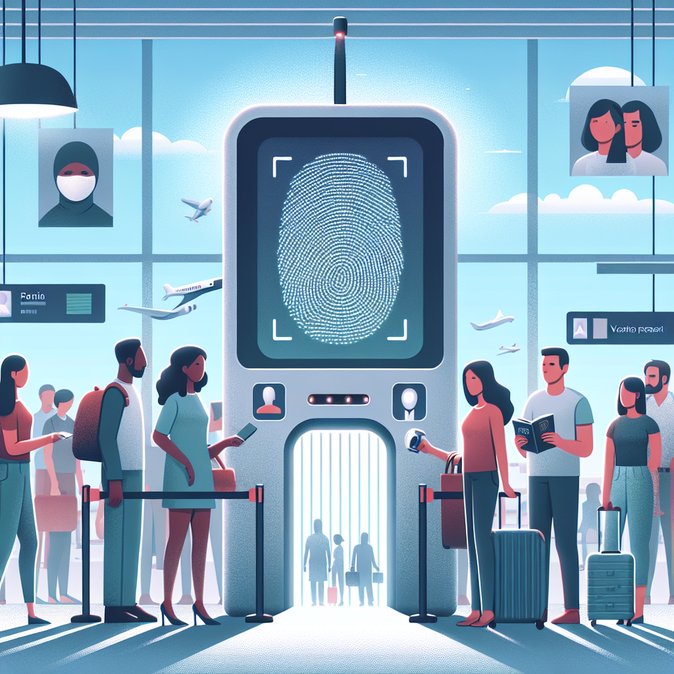
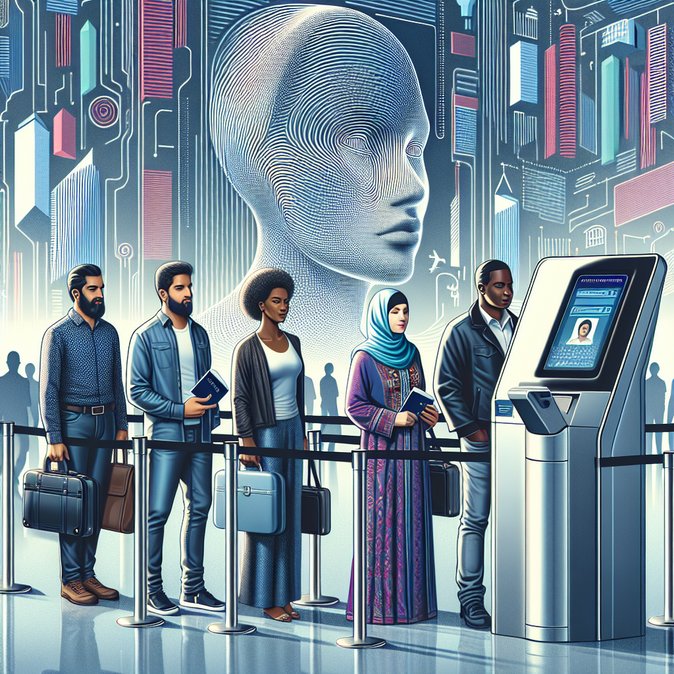
From 10 April, the European Union’s Schengen Area has permanently replaced the passport stamp with a biometric Entry/Exit System (EES). All non-EU nationals—including Brazilians, who enjoy 90-day visa-free stays—must now register fingerprints and a facial image at self-service kiosks when they first enter any of the 25 Schengen members plus Norway, Switzerland, Iceland and Liechtenstein.
![European Union switches on biometric Entry/Exit System—what Brazilian travellers need to know]()
VisaHQ can help Brazilian travellers and corporate mobility teams navigate these new requirements. Its dedicated Brazil portal (https://www.visahq.com/brazil/) provides up-to-date guidance on Schengen biometric enrolment, customised document checklists and concierge options that streamline pre-departure preparations, reducing the risk of delays at the border.
The data will be stored for up to three years and automatically time-stamp departures, closing a loophole that previously allowed some visitors to overstay undetected. During the first weeks, authorities warn of longer queues as every traveller completes an initial enrolment. Frequent flyers, however, should see faster border crossings on subsequent trips because their information is already in the system. For Brazilian companies that rotate staff to Europe, the change carries practical implications. Assignees who shuttle between São Paulo and Frankfurt, Paris or Madrid on short notice will need to factor an extra 30-45 minutes into arrival schedules until the bottlenecks ease. Mobility managers should also update GDPR compliance sheets, since biometric data is now part of the employee-information package handled by EU border agencies. Importantly, the EES does not alter the forthcoming ETIAS travel-authorisation, now slated for mid-2027, nor does it affect Brazilians who already hold long-stay national visas. Airlines operating Brazil–EU routes must ensure that passengers have machine-readable passports; manual-entry travel documents may be refused boarding because they cannot be read by the enrolment kiosks.
VisaHQ can help Brazilian travellers and corporate mobility teams navigate these new requirements. Its dedicated Brazil portal (https://www.visahq.com/brazil/) provides up-to-date guidance on Schengen biometric enrolment, customised document checklists and concierge options that streamline pre-departure preparations, reducing the risk of delays at the border.
The data will be stored for up to three years and automatically time-stamp departures, closing a loophole that previously allowed some visitors to overstay undetected. During the first weeks, authorities warn of longer queues as every traveller completes an initial enrolment. Frequent flyers, however, should see faster border crossings on subsequent trips because their information is already in the system. For Brazilian companies that rotate staff to Europe, the change carries practical implications. Assignees who shuttle between São Paulo and Frankfurt, Paris or Madrid on short notice will need to factor an extra 30-45 minutes into arrival schedules until the bottlenecks ease. Mobility managers should also update GDPR compliance sheets, since biometric data is now part of the employee-information package handled by EU border agencies. Importantly, the EES does not alter the forthcoming ETIAS travel-authorisation, now slated for mid-2027, nor does it affect Brazilians who already hold long-stay national visas. Airlines operating Brazil–EU routes must ensure that passengers have machine-readable passports; manual-entry travel documents may be refused boarding because they cannot be read by the enrolment kiosks.