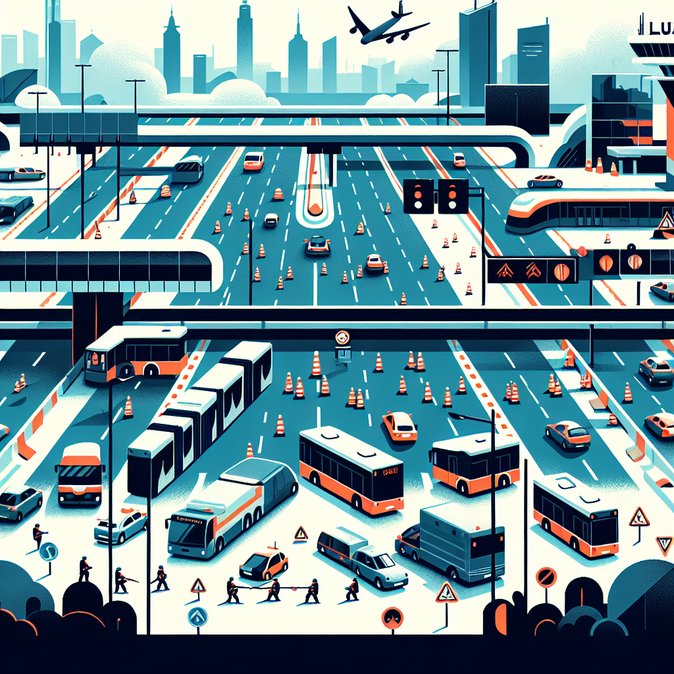
For a second straight day, a rolling convoy of lorries, tractors and private cars protesting record fuel prices brought much of Ireland’s road network to a standstill. Demonstrators blocked stretches of the M50 orbital, key approaches to the Dublin Port Tunnel and several regional arteries, causing knock-on delays to Luas trams, Dublin Bus and inter-city coach services. Dublin Airport issued multiple X (formerly Twitter) alerts advising passengers to allow extra travel time and consider alternative routes after some travellers missed morning departures. Bus Éireann diverted more than twenty Expressway and commuter services—including its flagship Route 2 link between Dublin Airport and Wexford—and warned that similar diversions may remain in force on 10 April if protests continue. Public transport operators also scrambled to create temporary city-centre termini as parts of O’Connell Street and the quays became impassable. The protests, organised via social media under the banner “Fair Fuel Now”, demand a government-imposed cap of €1.75 per litre on petrol and diesel and rebates for hauliers. Ministers have so far refused to negotiate directly, arguing that blockades threaten emergency-service access and critical supply chains. Justice Minister Jim O’Callaghan said ports and depots “must remain open”, while Transport Infrastructure Ireland warned of significant economic costs if disruption drags on. For global-mobility managers the operational headache is acute: delayed airport access can cascade into missed long-haul connections, and freight forwarders are already rerouting time-sensitive pharma shipments through Shannon and Belfast. Companies with travellers departing Ireland before 12 April should pre-book taxis that can use the Dublin Port Tunnel when open and keep staff updated via travel-risk apps. Employers with rotational staff should also anticipate overtime costs as shift workers struggle to reach plants on time.
![Fuel-price protests choke Irish transport corridors, prompting airport and bus diversions]()
Travellers who may need to adjust visas or arrange last-minute travel documents because of schedule changes can streamline the process through VisaHQ’s online platform. Their Ireland portal (https://www.visahq.com/ireland/) provides quick electronic applications, courier pick-ups and real-time status tracking, easing a key administrative burden for mobility teams already juggling contingency transport plans.
With a fresh weather front forecast this weekend, any further road disruption could quickly overwhelm contingency capacity. Mobility teams are advised to monitor Garda Traffic updates hourly and build at least an extra 90 minutes into airport journeys until the situation de-escalates.

Travellers who may need to adjust visas or arrange last-minute travel documents because of schedule changes can streamline the process through VisaHQ’s online platform. Their Ireland portal (https://www.visahq.com/ireland/) provides quick electronic applications, courier pick-ups and real-time status tracking, easing a key administrative burden for mobility teams already juggling contingency transport plans.
With a fresh weather front forecast this weekend, any further road disruption could quickly overwhelm contingency capacity. Mobility teams are advised to monitor Garda Traffic updates hourly and build at least an extra 90 minutes into airport journeys until the situation de-escalates.