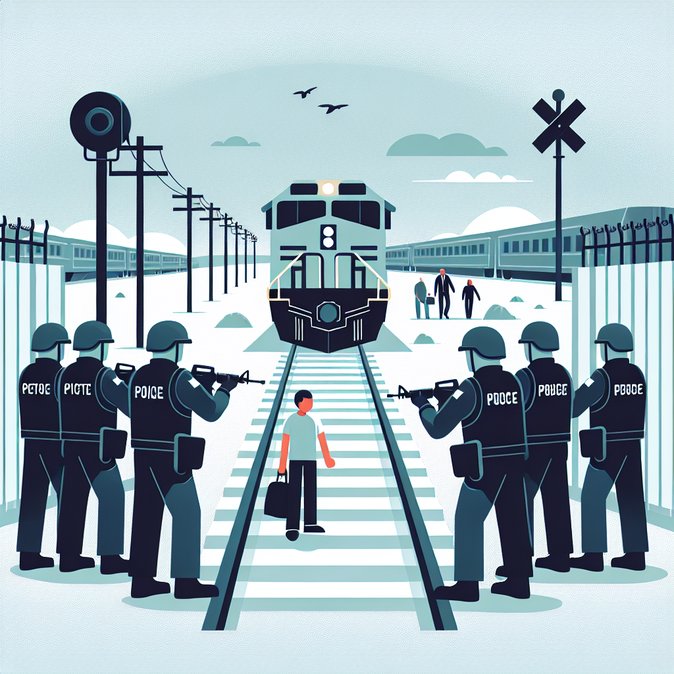
Police in Poland’s Lubusz province have detained a 48-year-old Chinese citizen who was spotted taking pictures of railway infrastructure in the small border village of Kowalów. The arrest, reported on 8 April by independent outlet Notes from Poland, comes amid heightened vigilance of critical transport links after last year’s sabotage of a line in eastern Poland. Railway Security Guard officers (SOK) intercepted the individual, confiscated his electronic devices and handed him over to provincial police, who are awaiting a Mandarin interpreter before formal questioning. Under Poland’s Homeland Defence Act, photography of around 25,000 sensitive sites—including rail junctions and pipelines—is prohibited without permission. The Ministry of the Interior framed the arrest as evidence that public-private cooperation is working: residents alerted authorities, reinforcing the “If you see something, say something” campaign rolled out at stations nationwide. Since January more than 200 CCTV cameras have been upgraded along the west-east freight corridor that links German logistics hubs with Polish factories.
![Chinese national arrested after photographing rail facilities near German border]()
If you’re planning to visit or work in Poland and want to avoid bureaucratic pitfalls that could lead to incidents like this, VisaHQ can guide you through the latest entry rules, visa categories and local compliance reminders. Their Poland portal (https://www.visahq.com/poland/) offers step-by-step application support and practical advice on what travellers should—and shouldn’t—do near sensitive infrastructure, helping companies and individuals stay on the right side of the law.
For international shippers and corporate security teams the incident is a reminder that employees—especially non-EU nationals—should avoid photographing ports, rail yards or energy assets. Breaches can trigger immediate detention, device searches and deportation, potentially jeopardising Schengen visas. The case also underscores Warsaw’s broader concerns about foreign intelligence activity. In February the defence ministry barred Chinese-made vehicles from entering military facilities, and lawmakers are debating a bill that would extend no-photo zones to certain private logistics terminals.
If you’re planning to visit or work in Poland and want to avoid bureaucratic pitfalls that could lead to incidents like this, VisaHQ can guide you through the latest entry rules, visa categories and local compliance reminders. Their Poland portal (https://www.visahq.com/poland/) offers step-by-step application support and practical advice on what travellers should—and shouldn’t—do near sensitive infrastructure, helping companies and individuals stay on the right side of the law.
For international shippers and corporate security teams the incident is a reminder that employees—especially non-EU nationals—should avoid photographing ports, rail yards or energy assets. Breaches can trigger immediate detention, device searches and deportation, potentially jeopardising Schengen visas. The case also underscores Warsaw’s broader concerns about foreign intelligence activity. In February the defence ministry barred Chinese-made vehicles from entering military facilities, and lawmakers are debating a bill that would extend no-photo zones to certain private logistics terminals.