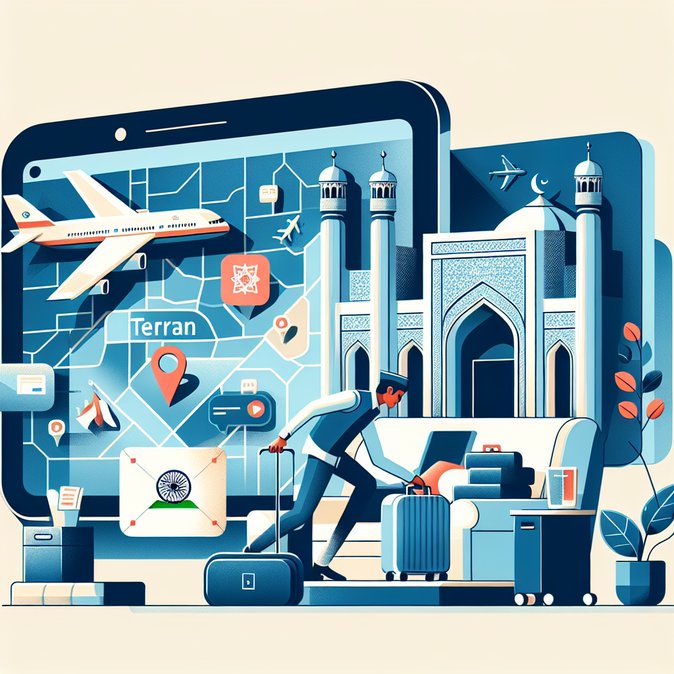
India’s Embassy in Tehran issued its second emergency travel advisory in as many days on 8 April 2026, urging the roughly 7,000–9,000 Indian nationals still in Iran to leave the country “at the earliest” and only via routes pre-cleared with consular staff. The notice follows a fragile two-week cease-fire between US-led forces and Iran that began overnight, but which New Delhi fears could unravel quickly. The advisory, disseminated on X (formerly Twitter) and re-circulated by Indian media, explicitly warns Indians not to approach any land border without prior coordination with the embassy and provides four emergency hotline numbers as well as an e-mail address for travel clearances. Officials confirmed that about 1,800 Indian citizens—many of them students and maritime workers—had already been repatriated on commercial and charter flights since hostilities erupted on 28 February. Although Iran re-opened several civilian airports after the cease-fire, insurers continue to treat Iranian airspace as a “war-zone risk,” sending premiums and ticket prices sharply higher.
Corporate mobility teams are therefore dusting off contingency plans prepared during the 2020 US-Iran standoff: Indian assignees are being routed through Muscat, Doha or Baku, which still accept short-notice transit traffic from Iran.
Duty-of-care managers are also re-checking whether staff have valid Schengen, Turkish or UAE transit visas—now critical given EU biometric border checks and Dubai’s stricter lay-over rules.
![India Tells Citizens to ‘Expeditiously Exit Iran’ Amid Cease-Fire Uncertainty]()
Amid this documentation crunch, VisaHQ offers a quick lifeline. Through its dedicated India portal (https://www.visahq.com/india/), travelers and corporate travel coordinators can verify visa requirements, submit electronic applications and track approvals for onward or transit destinations in real time—an especially valuable service when evacuation windows are tight and routings change by the hour.
Practical implications for companies include: 1) fast-tracking exit permissions for all Indian passport-holders in Iran, 2) validating insurance coverage for any “war risks” exclusions, and 3) briefing travellers on potential questioning at Indian immigration on arrival, where authorities have stepped-up secondary screening for returnees from conflict theatres.
While the government stopped short of an outright travel ban, officials hinted that evacuation flights could be organised if commercial capacity dries up.
Global mobility managers should therefore keep close contact with the embassy’s emergency cell and prepare manifests in advance.
Corporate mobility teams are therefore dusting off contingency plans prepared during the 2020 US-Iran standoff: Indian assignees are being routed through Muscat, Doha or Baku, which still accept short-notice transit traffic from Iran.
Duty-of-care managers are also re-checking whether staff have valid Schengen, Turkish or UAE transit visas—now critical given EU biometric border checks and Dubai’s stricter lay-over rules.

Amid this documentation crunch, VisaHQ offers a quick lifeline. Through its dedicated India portal (https://www.visahq.com/india/), travelers and corporate travel coordinators can verify visa requirements, submit electronic applications and track approvals for onward or transit destinations in real time—an especially valuable service when evacuation windows are tight and routings change by the hour.
Practical implications for companies include: 1) fast-tracking exit permissions for all Indian passport-holders in Iran, 2) validating insurance coverage for any “war risks” exclusions, and 3) briefing travellers on potential questioning at Indian immigration on arrival, where authorities have stepped-up secondary screening for returnees from conflict theatres.
While the government stopped short of an outright travel ban, officials hinted that evacuation flights could be organised if commercial capacity dries up.
Global mobility managers should therefore keep close contact with the embassy’s emergency cell and prepare manifests in advance.