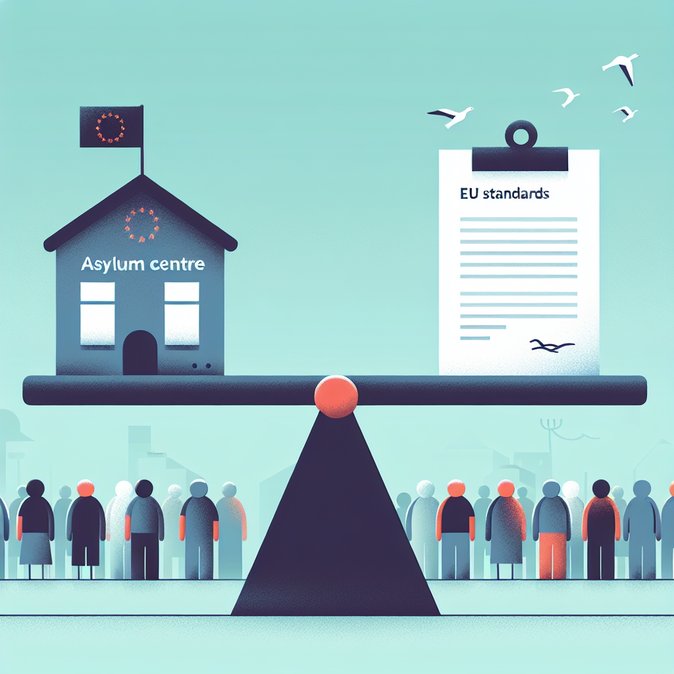
Reports that the Department of Justice may exempt certain large asylum-seeker accommodation projects from the normal planning-appeals process sparked political debate on 7 April. Speaking at the Easter Rising commemoration, Tánaiste Simon Harris said he would be “concerned about anything that would dampen down the voices of communities”, stressing that early engagement was vital for social cohesion. Ireland is under pressure to reduce its reliance on commercial hotels for the record 105,000 international-protection applicants currently housed nationwide. Justice Minister Jim O’Callaghan has already outlined a new ‘border procedure’ under the forthcoming International Protection Bill 2026, promising decisions or returns within 90 days for applicants from designated safe countries. Fast-tracking state-owned accommodation sites would complement that agenda but risks stoking local opposition if consultation windows are narrowed.
For multinationals with large expatriate or international graduate cohorts, community tension around migration can affect employer brand and staff wellbeing.
![Tánaiste signals caution on plan to fast-track asylum accommodation centres without local objections]()
Amid such uncertainty, global mobility teams can lean on specialist visa providers for clarity. VisaHQ’s Ireland portal (https://www.visahq.com/ireland/) offers up-to-date guidance on work permits, business visas and residency pathways, and its corporate dashboard lets HR managers track multiple applications in real time—helpful when rapid policy shifts demand agile redeployment plans.
Companies deploying staff to regional hubs should monitor local planning notices and prepare factual briefings to counter misinformation that often accompanies new reception-centre announcements. While no draft text has yet reached Cabinet, planners expect any emergency legislation to mirror the Strategic Housing Development model—direct applications to An Bord Pleanála with curtailed judicial-review periods. Stakeholders have until the International Protection Bill moves to committee stage in May to lobby for balanced community-input provisions.
For multinationals with large expatriate or international graduate cohorts, community tension around migration can affect employer brand and staff wellbeing.

Amid such uncertainty, global mobility teams can lean on specialist visa providers for clarity. VisaHQ’s Ireland portal (https://www.visahq.com/ireland/) offers up-to-date guidance on work permits, business visas and residency pathways, and its corporate dashboard lets HR managers track multiple applications in real time—helpful when rapid policy shifts demand agile redeployment plans.
Companies deploying staff to regional hubs should monitor local planning notices and prepare factual briefings to counter misinformation that often accompanies new reception-centre announcements. While no draft text has yet reached Cabinet, planners expect any emergency legislation to mirror the Strategic Housing Development model—direct applications to An Bord Pleanála with curtailed judicial-review periods. Stakeholders have until the International Protection Bill moves to committee stage in May to lobby for balanced community-input provisions.