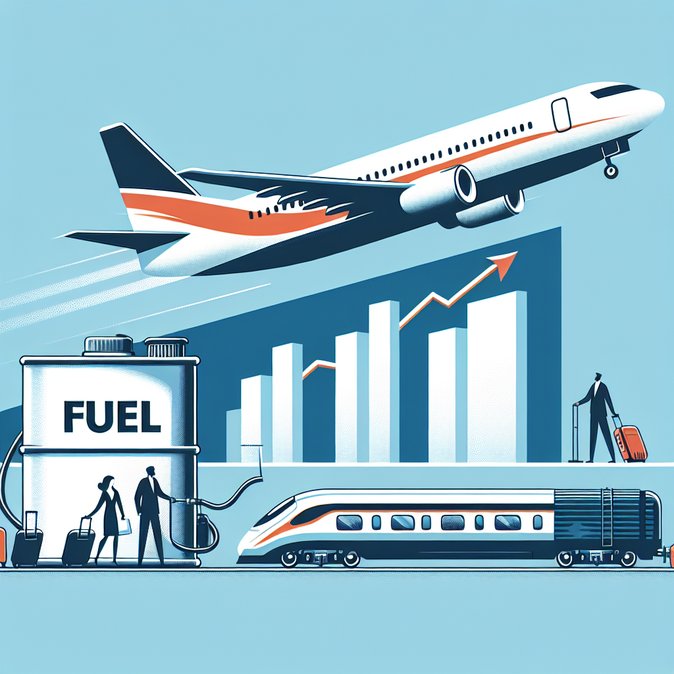
Air China, China Eastern, China Southern and Xiamen Airlines have raised the passenger fuel surcharge on domestic sectors from 10/20 yuan to 60/120 yuan (for flights under/over 800 km) with effect from 5 April. The airlines cite the sharp run-up in jet-A prices linked to Middle-East tensions.
![Major mainland carriers hike domestic fuel surcharges six-fold]()
While adjusting to higher airfare costs, travellers and corporate travel managers should also ensure that visa documentation is in order. VisaHQ’s online platform streamlines China visa applications and keeps users informed of regulatory updates, helping avoid last-minute snags; find out more at https://www.visahq.com/china/
For employers that reimburse home-leave tickets or move staff between Chinese cities, the additional levy can add 240–360 yuan (US $33–49) to a typical Shenzhen–Beijing return itinerary. Travel-policy teams should update budget forecasts and consider advance purchase or rail alternatives on high-speed corridors such as Beijing–Shanghai, where the surcharge now eclipses second-class train fares on a per-kilometre basis. Surcharges on international tickets remain dynamic, calculated by global distribution systems according to sector length and uplift point. However, several airlines have warned that outbound tariffs will be reviewed later in April if crude prices stay above US $95 a barrel. For mobility and relocation firms bundling airfare into lump-sum packages, transparent breakout of fuel surcharges is advisable to avoid perceived cost-padding by assignees. The Civil Aviation Administration of China allows carriers to adjust the surcharge monthly. Analysts predict a partial rollback only if Brent crude retreats below US $80, a scenario considered unlikely before summer travel peaks.

While adjusting to higher airfare costs, travellers and corporate travel managers should also ensure that visa documentation is in order. VisaHQ’s online platform streamlines China visa applications and keeps users informed of regulatory updates, helping avoid last-minute snags; find out more at https://www.visahq.com/china/
For employers that reimburse home-leave tickets or move staff between Chinese cities, the additional levy can add 240–360 yuan (US $33–49) to a typical Shenzhen–Beijing return itinerary. Travel-policy teams should update budget forecasts and consider advance purchase or rail alternatives on high-speed corridors such as Beijing–Shanghai, where the surcharge now eclipses second-class train fares on a per-kilometre basis. Surcharges on international tickets remain dynamic, calculated by global distribution systems according to sector length and uplift point. However, several airlines have warned that outbound tariffs will be reviewed later in April if crude prices stay above US $95 a barrel. For mobility and relocation firms bundling airfare into lump-sum packages, transparent breakout of fuel surcharges is advisable to avoid perceived cost-padding by assignees. The Civil Aviation Administration of China allows carriers to adjust the surcharge monthly. Analysts predict a partial rollback only if Brent crude retreats below US $80, a scenario considered unlikely before summer travel peaks.