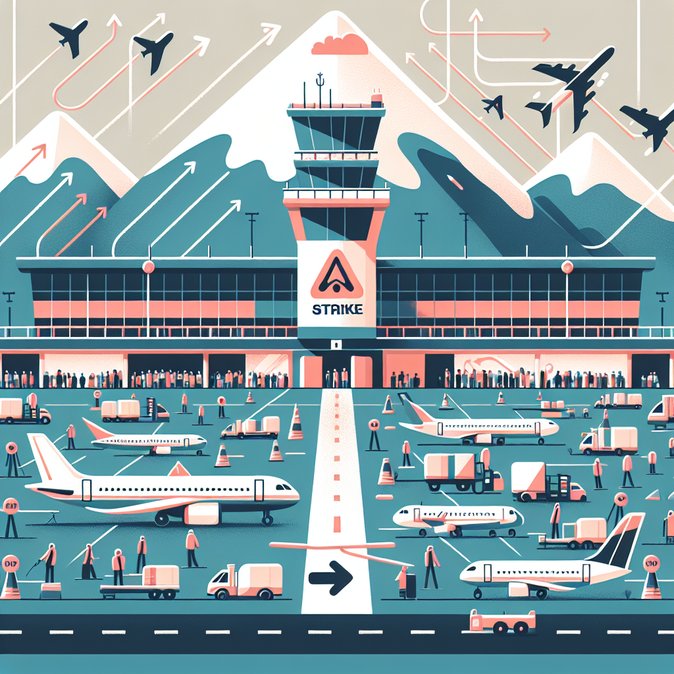
Regional news portal InTrieste reports that Italian air-traffic-control provider ENAV and maintenance subsidiary Techno Sky face a four-hour nationwide strike this Friday, 10 April, from 13:00 to 17:00. Unions Uiltrasporti, FAST-Confsal and Astra say workload and job-security grievances are behind the walk-out. The stoppage is short but strategically timed: it hits multiple hub air-traffic-control centres—Rome Fiumicino, Milan Malpensa and Naples—during a peak departure wave. Experience shows that even limited ATC strikes trigger rolling delays and missed connections well beyond the published window as airlines struggle to re-sequence aircraft and crews.
![Italian Air-Traffic-Control Strike on 10 April Could Snarl Swiss-Bound Itineraries]()
For travel administrators looking to stay ahead of cascading disruptions, VisaHQ’s Switzerland portal (https://www.visahq.com/switzerland/) offers a convenient one-stop resource. The service aggregates live border advisories for Zurich and Geneva and can fast-track any urgent visa or transit-document requests for employees suddenly rerouted through alternative hubs, helping companies maintain compliance and minimize downtime.
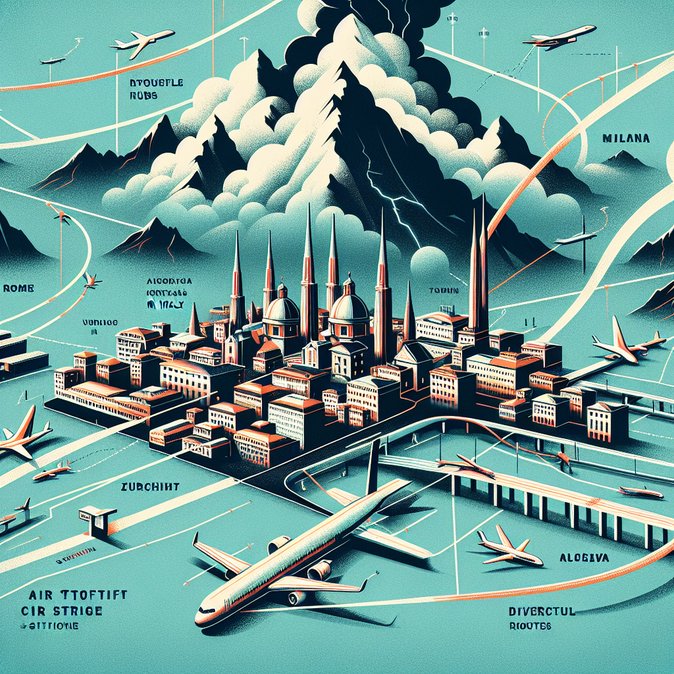
Why does this matter to Swiss companies? Milan Malpensa and Rome Fiumicino are key feeder airports for onward connections to Zurich and Geneva, used heavily by multinational project teams transiting between Europe, Africa and the Middle East. Disruptions often spill across the Alps: passengers rebook onto Swiss, Lufthansa or Austrian services via Zurich, Vienna and Munich, putting sudden pressure on seat availability and hotel blocks. Travel teams should advise employees with 10 April bookings to monitor flight-status alerts and, where possible, shift to early-morning departures or rail links. Zurich Airport operators told Global Mobility News they are ready to activate contingency gates and liaise with Euro-control to absorb diverted traffic if Italian airspace flow-rates are reduced. The strike also serves as a dress rehearsal for the 10 April full activation of the EU Entry/Exit System (EES), which could lengthen processing times when rerouted passengers arrive at Swiss borders. Mobility managers may need to build longer minimum-connect buffers into their automated booking tools.
For travel administrators looking to stay ahead of cascading disruptions, VisaHQ’s Switzerland portal (https://www.visahq.com/switzerland/) offers a convenient one-stop resource. The service aggregates live border advisories for Zurich and Geneva and can fast-track any urgent visa or transit-document requests for employees suddenly rerouted through alternative hubs, helping companies maintain compliance and minimize downtime.
Why does this matter to Swiss companies? Milan Malpensa and Rome Fiumicino are key feeder airports for onward connections to Zurich and Geneva, used heavily by multinational project teams transiting between Europe, Africa and the Middle East. Disruptions often spill across the Alps: passengers rebook onto Swiss, Lufthansa or Austrian services via Zurich, Vienna and Munich, putting sudden pressure on seat availability and hotel blocks. Travel teams should advise employees with 10 April bookings to monitor flight-status alerts and, where possible, shift to early-morning departures or rail links. Zurich Airport operators told Global Mobility News they are ready to activate contingency gates and liaise with Euro-control to absorb diverted traffic if Italian airspace flow-rates are reduced. The strike also serves as a dress rehearsal for the 10 April full activation of the EU Entry/Exit System (EES), which could lengthen processing times when rerouted passengers arrive at Swiss borders. Mobility managers may need to build longer minimum-connect buffers into their automated booking tools.