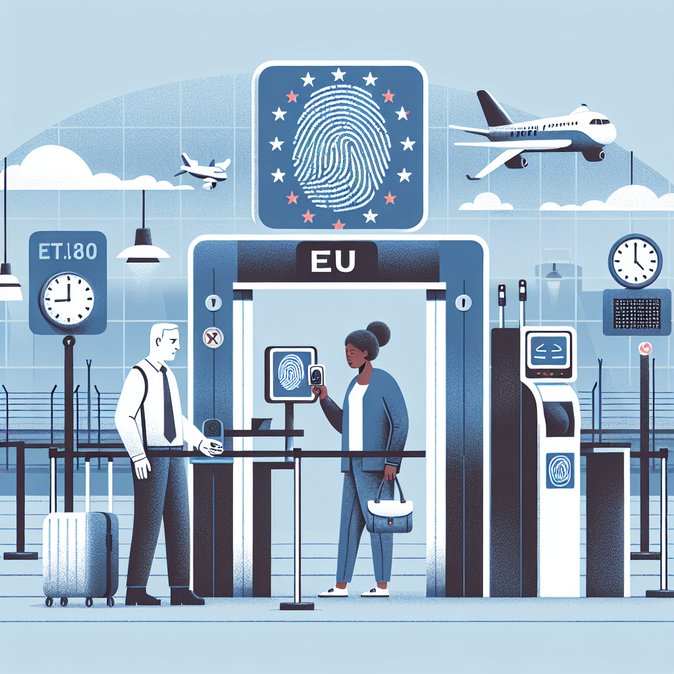
Australian leisure and business travellers heading to Europe this month are being urged to pack extra patience. From 10 April the European Union begins the operational rollout of its biometric Entry/Exit System (EES), replacing the traditional manual passport stamp for all third-country nationals, including Australians. Travel industry journal Travel Weekly reports early trials have already lengthened processing times at some Schengen airports by up to 70 percent, with delays of two hours at peak periods. Under EES, Australians entering the Schengen Zone for short stays will have their fingerprints and a facial image captured and will answer additional border-control questions on first arrival. Subsequent trips within three years will be matched electronically, but officials concede that the initial enrolment will be slow until officers and kiosks bed-in. Airlines and airport groups have lobbied Brussels for a ‘grace period’ allowing suspension during summer peaks, but EU regulators say member-states can no longer switch the system off entirely. For corporates, the biggest headache is schedule certainty. Meetings timed around tight 90-minute turn-arounds may no longer be feasible, particularly at hubs such as Frankfurt, Amsterdam and Paris CDG where Australian arrivals often land. Travel managers are advising staff to allow a minimum three-hour buffer between landing and onward rail or regional flight bookings.
![EU’s new Entry/Exit System starts 10 April—Australians warned of longer airport queues]()
To help travellers stay ahead of these shifting requirements, VisaHQ offers Australian citizens an easy online gateway (https://www.visahq.com/australia/) for ETIAS pre-authorisations, Schengen visa advice and real-time alerts on border policy changes, streamlining paperwork long before you reach the airport.
Frequent travellers should also brace for a second change later in the year when the separate ETIAS pre-travel authorisation goes live. Despite the pain, EES is designed to crack down on overstays—a sensitive point for the EU after several high-profile visa violations by non-EU remote workers—and to improve security screening. Once enrolled, Australians should experience faster e-gate exits on subsequent trips. Until then, however, patience and careful itinerary planning will be essential.

To help travellers stay ahead of these shifting requirements, VisaHQ offers Australian citizens an easy online gateway (https://www.visahq.com/australia/) for ETIAS pre-authorisations, Schengen visa advice and real-time alerts on border policy changes, streamlining paperwork long before you reach the airport.
Frequent travellers should also brace for a second change later in the year when the separate ETIAS pre-travel authorisation goes live. Despite the pain, EES is designed to crack down on overstays—a sensitive point for the EU after several high-profile visa violations by non-EU remote workers—and to improve security screening. Once enrolled, Australians should experience faster e-gate exits on subsequent trips. Until then, however, patience and careful itinerary planning will be essential.