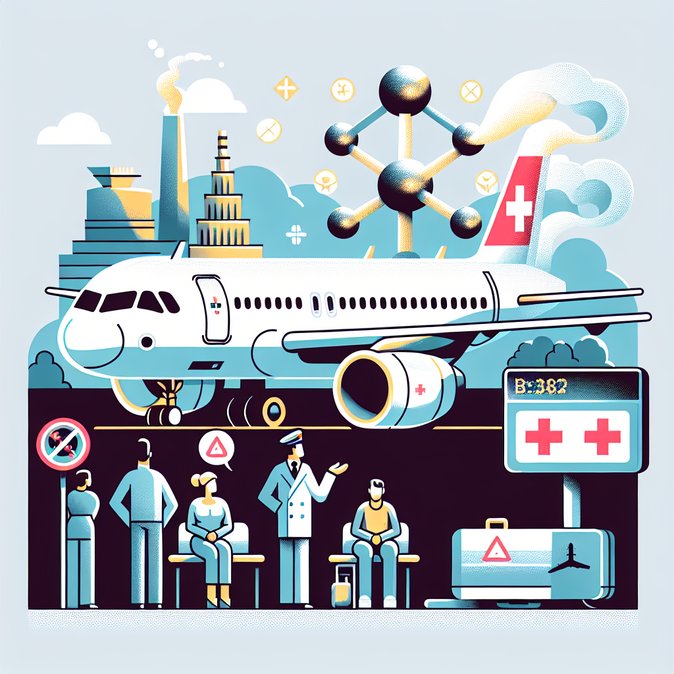
A London–Zurich service operated by SWISS diverted to Brussels shortly before midnight on 6 April after cabin crew detected a strong, unexplained odour in the forward galley. The Airbus A320 Neo, carrying 168 passengers and six crew members, landed safely at 00:30 CET on 7 April; no injuries were reported. Brussels Airport’s fire service met the aircraft as a precaution and escorted it to a remote stand where engineers began an inspection. SWISS confirmed that the year-old aircraft will remain grounded pending a detailed technical assessment. Initial checks suggest the smell may have been linked to an overheating electrical component rather than a galley fire.
Passengers were accommodated overnight in local hotels and re-booked on alternate morning flights to Zurich; EU261 duty-of-care rules applied but, because the incident is classed as an unforeseen technical fault, compensation is unlikely.
![A320 Neo Makes Emergency Landing in Brussels, Forcing Swiss Passengers to Re-Route]()
For travellers suddenly rerouted or facing unexpected overnight delays, ensuring that visa documents and entry requirements are in order can be just as critical as re-booking flights. VisaHQ’s Switzerland portal (https://www.visahq.com/switzerland/) offers a rapid online check of visa regulations, electronic travel authorisations and transit rules, helping passengers verify whether an unscheduled stop—such as Brussels in this case—requires any additional paperwork before clearing immigration.
While single-event diversions are routine, the timing compounds a gruelling week for Swiss business travellers already facing Gulf detours and long Easter queues at border crossings. Travel-risk advisors say companies should remind staff to keep overnight essentials and medication in carry-on luggage, as unplanned lay-overs remain a real possibility amid regional turbulence and cyber-security threats. Aviation insurers note that the A320 Neo’s newer LEAP engines and cabin systems generate an atypically high volume of sensor data. SWISS is analysing whether predictive-maintenance alerts were received but not escalated in time—a question with broader implications for airlines leaning heavily on big-data health-monitoring to cut costs. Any mandated software update could ripple across the carrier’s 25-strong Neo fleet.
Passengers were accommodated overnight in local hotels and re-booked on alternate morning flights to Zurich; EU261 duty-of-care rules applied but, because the incident is classed as an unforeseen technical fault, compensation is unlikely.

For travellers suddenly rerouted or facing unexpected overnight delays, ensuring that visa documents and entry requirements are in order can be just as critical as re-booking flights. VisaHQ’s Switzerland portal (https://www.visahq.com/switzerland/) offers a rapid online check of visa regulations, electronic travel authorisations and transit rules, helping passengers verify whether an unscheduled stop—such as Brussels in this case—requires any additional paperwork before clearing immigration.
While single-event diversions are routine, the timing compounds a gruelling week for Swiss business travellers already facing Gulf detours and long Easter queues at border crossings. Travel-risk advisors say companies should remind staff to keep overnight essentials and medication in carry-on luggage, as unplanned lay-overs remain a real possibility amid regional turbulence and cyber-security threats. Aviation insurers note that the A320 Neo’s newer LEAP engines and cabin systems generate an atypically high volume of sensor data. SWISS is analysing whether predictive-maintenance alerts were received but not escalated in time—a question with broader implications for airlines leaning heavily on big-data health-monitoring to cut costs. Any mandated software update could ripple across the carrier’s 25-strong Neo fleet.