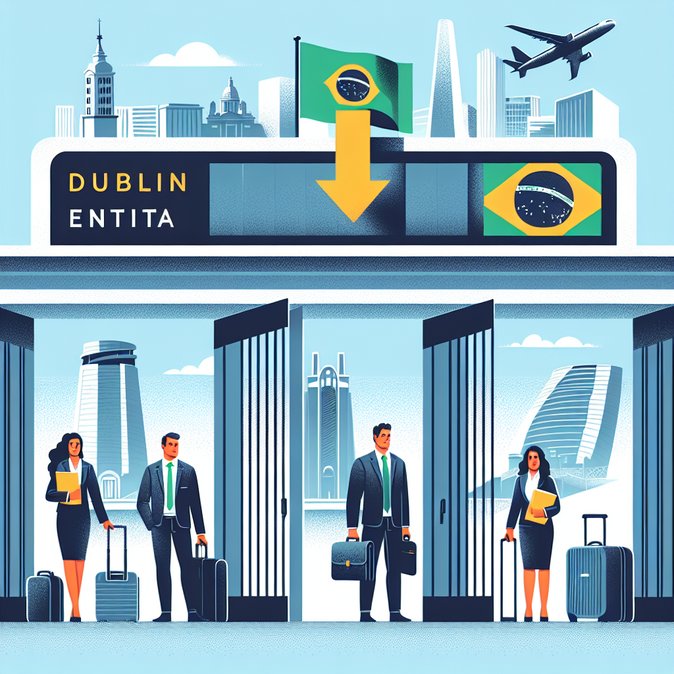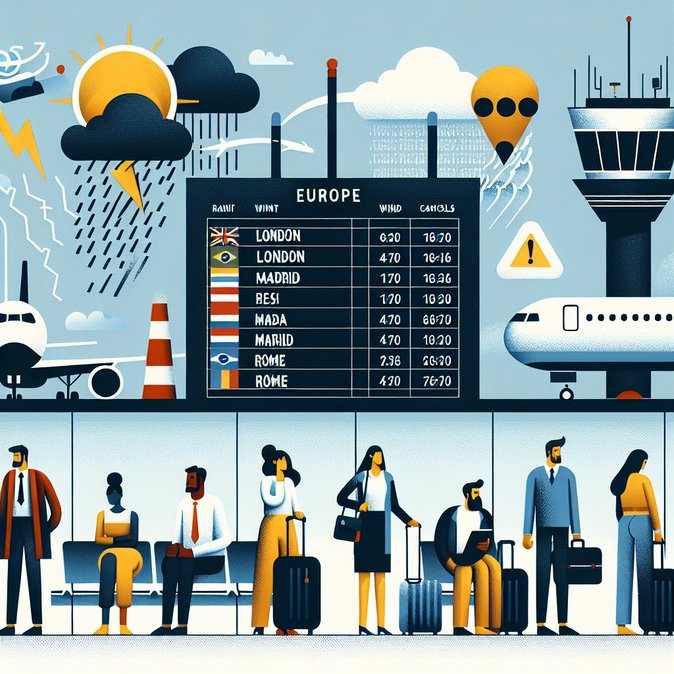
A cascading air-traffic control meltdown across Europe on 6 April left more than 1,600 flights disrupted, with hubs such as Heathrow, Madrid-Barajas and Rome-Fiumicino forced to impose departure caps. Brazilian passengers in transit bore the brunt: LATAM’s São Paulo–London service landed five hours late, causing dozens to miss onward connections to corporate meetings in Frankfurt and Stockholm. Industry tracker Eurocontrol attributed the chaos to a shortage of staff after an unplanned sick-leave spike at several control centres, compounded by thunderstorms over the North Sea that closed routings and forced aircraft into lengthy holding patterns.
![European airport gridlock cancels 172 flights and delays 1,475—Brazilian travellers caught in the crossfire]()
Amid such unpredictability, VisaHQ can take at least one variable off the table. The company’s online portal (https://www.visahq.com/brazil/) helps Brazilian citizens and global mobility teams secure visas and passport renewals for alternative routings in as little as 24 hours, complete with real-time status updates—an advantage when disrupted flights force last-minute itinerary changes.
The knock-on effect rippled through timetables, creating an ‘aircraft-out-of-position’ spiral described by operations managers as worse than last summer’s post-pandemic restart. Brazilian consulates in Lisbon and Paris issued travel alerts reminding nationals that EU Regulation 261/2004 obliges carriers to provide meals, hotel rooms and re-routing when delays exceed three hours. However, travel-management companies report limited seat inventory until mid-week, leaving some executives stranded or forced to upgrade to business class at premium costs. Mobility managers with rotational staff in mining and oil projects should review duty-of-care protocols: crew members arriving late may breach mandatory rest windows under Brazilian labour law. Insurance providers such as AIG note a 40 % uptick in trip-delay claims filed from Europe in the first six hours of the crisis, hinting at substantial financial exposure for employers. While Eurocontrol expects schedules to stabilise within 48 hours, the episode underscores the fragility of long-haul itineraries that rely on single-connect routings. Experts recommend activating dual-hub strategies—e.g., booking via Doha or Addis Ababa—until European staffing levels normalise.

Amid such unpredictability, VisaHQ can take at least one variable off the table. The company’s online portal (https://www.visahq.com/brazil/) helps Brazilian citizens and global mobility teams secure visas and passport renewals for alternative routings in as little as 24 hours, complete with real-time status updates—an advantage when disrupted flights force last-minute itinerary changes.
The knock-on effect rippled through timetables, creating an ‘aircraft-out-of-position’ spiral described by operations managers as worse than last summer’s post-pandemic restart. Brazilian consulates in Lisbon and Paris issued travel alerts reminding nationals that EU Regulation 261/2004 obliges carriers to provide meals, hotel rooms and re-routing when delays exceed three hours. However, travel-management companies report limited seat inventory until mid-week, leaving some executives stranded or forced to upgrade to business class at premium costs. Mobility managers with rotational staff in mining and oil projects should review duty-of-care protocols: crew members arriving late may breach mandatory rest windows under Brazilian labour law. Insurance providers such as AIG note a 40 % uptick in trip-delay claims filed from Europe in the first six hours of the crisis, hinting at substantial financial exposure for employers. While Eurocontrol expects schedules to stabilise within 48 hours, the episode underscores the fragility of long-haul itineraries that rely on single-connect routings. Experts recommend activating dual-hub strategies—e.g., booking via Doha or Addis Ababa—until European staffing levels normalise.