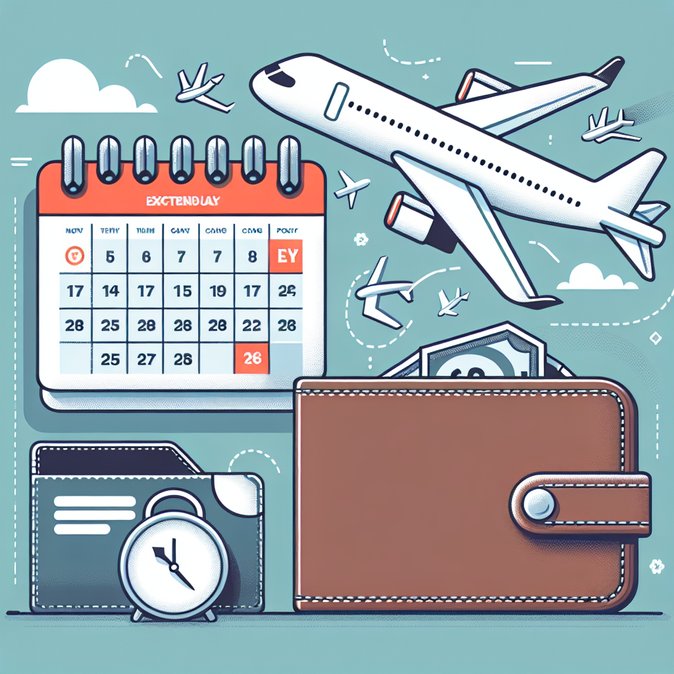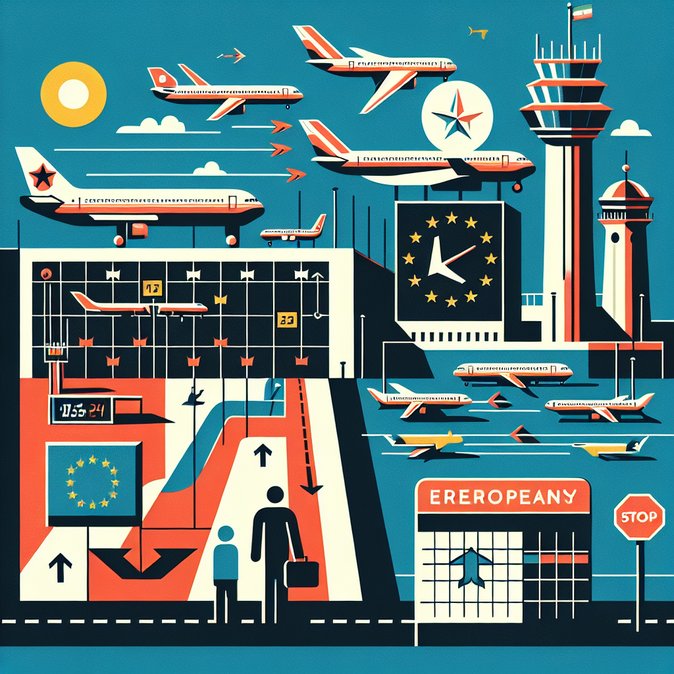
Travel-data tracker TravelPirates reports that Dubai International Airport logged **223 passenger departures** on 7 April—150 by Emirates and 73 by flydubai—marking the highest tally since missiles and drones first closed portions of Gulf airspace five weeks ago. The rebound arrives just three days before the European Union Aviation Safety Agency re-evaluates its conflict-zone bulletin on UAE airspace, a decision that will determine when European flag carriers can restart services. The article highlights Emirates’ new incentive: one complimentary date change on any ticket purchased from 2 April, signalling the carrier’s push to restore booking confidence ahead of potential schedule expansion.
![Dubai Airport sees busiest day since conflict began as EASA ruling looms]()
Travelers navigating these evolving policies can simplify their planning by using VisaHQ’s online visa service. The company’s UAE portal (https://www.visahq.com/united-arab-emirates/) tracks rule changes in real time and streamlines applications for tourist or business visas, letting both corporate mobility teams and individual passengers secure the right documents before committing to new itineraries.
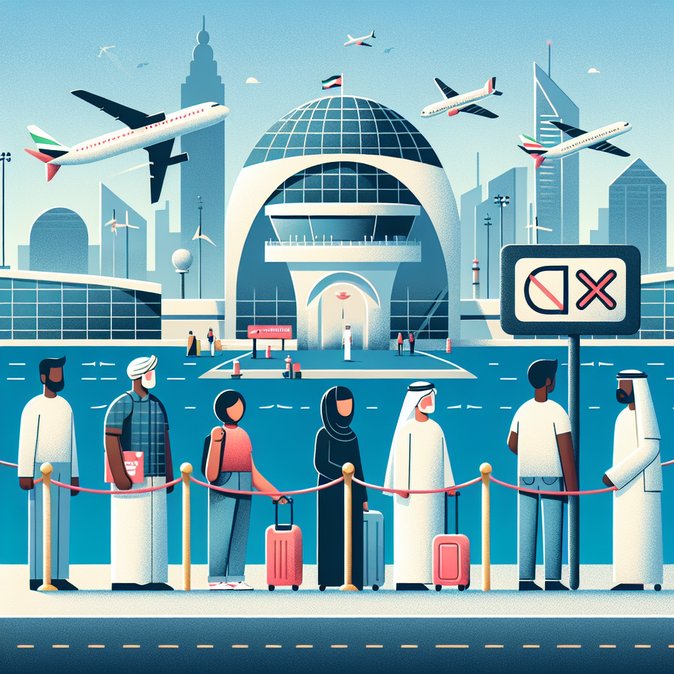
It also notes that Iranian nationals—unless holding a UAE Golden Visa or fitting limited exemptions—remain barred from entering or transiting UAE airports under a 1 April security order. For multinational companies, the data show that DXB capacity is rebuilding faster than European carrier access, meaning routings via Asian or Gulf partners may still be required for assignees originating in the EU. If EASA lifts or softens its advisory on 10 April, British Airways, Lufthansa, KLM and Air France could file restoration plans within days, easing MICE arrivals for the busy Ramadan-Eid conference window. If extended, European suspension dates (currently 31 May for BA/LH) are likely to slip further, prolonging reliance on Gulf sixth-freedom hubs. Airport authorities continue to advise passengers to arrive four hours before departure and to reconfirm flights, as day-to-day seat counts fluctuate with insurance coverage and crew-duty limitations.

Travelers navigating these evolving policies can simplify their planning by using VisaHQ’s online visa service. The company’s UAE portal (https://www.visahq.com/united-arab-emirates/) tracks rule changes in real time and streamlines applications for tourist or business visas, letting both corporate mobility teams and individual passengers secure the right documents before committing to new itineraries.
It also notes that Iranian nationals—unless holding a UAE Golden Visa or fitting limited exemptions—remain barred from entering or transiting UAE airports under a 1 April security order. For multinational companies, the data show that DXB capacity is rebuilding faster than European carrier access, meaning routings via Asian or Gulf partners may still be required for assignees originating in the EU. If EASA lifts or softens its advisory on 10 April, British Airways, Lufthansa, KLM and Air France could file restoration plans within days, easing MICE arrivals for the busy Ramadan-Eid conference window. If extended, European suspension dates (currently 31 May for BA/LH) are likely to slip further, prolonging reliance on Gulf sixth-freedom hubs. Airport authorities continue to advise passengers to arrive four hours before departure and to reconfirm flights, as day-to-day seat counts fluctuate with insurance coverage and crew-duty limitations.