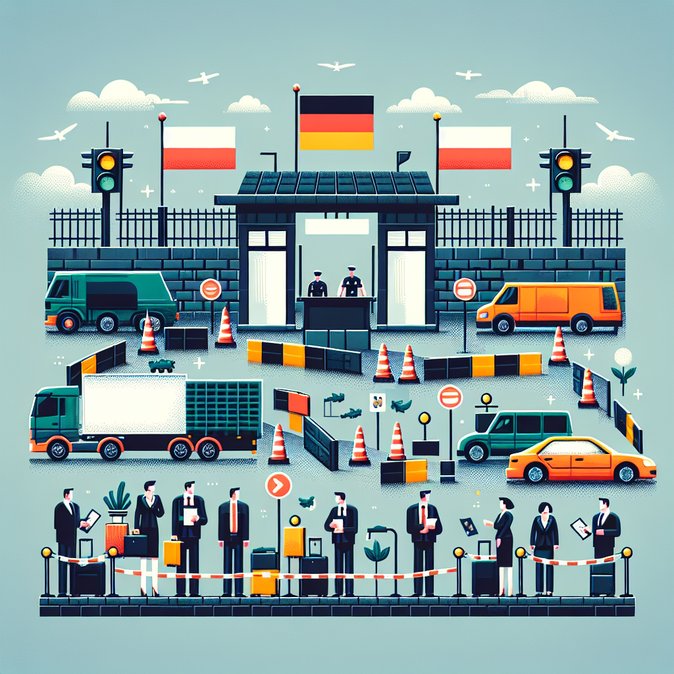
Poland’s Ministry of the Interior and Administration (MSWiA) confirmed on 5 April 2026 that the temporary checks it re-introduced on its borders with Germany and Lithuania last summer will remain in force for almost another six months, until 1 October 2026. The decision, published in the Official Journal and announced publicly by Deputy Interior Minister Paweł Sienkiewicz, cites “continued migratory pressure on the EU’s eastern flank” as well as security concerns linked to Russia’s war against Ukraine. Although Poland, Germany and Lithuania all belong to the visa-free Schengen area, the Schengen Borders Code allows short-term re-instatement of controls “as a measure of last resort” when public order is at risk.
The checkpoints were first set up in July 2025 after Polish and German authorities reported a surge in migrants who had entered the EU through Belarus continuing westward through Poland. According to Polish Border Guard statistics, officers on the Lubuskie and Dolnośląskie stretches of the German frontier have inspected more than 775,000 travellers and turned back roughly 500 individuals since controls resumed. Lithuania has likewise reported a sharp drop in irregular transit since joint patrols with Poland were intensified.
![Poland Extends Internal Border Controls with Germany and Lithuania Until 1 October 2026]()
To help travellers navigate these evolving requirements, VisaHQ provides real-time guidance on the documents needed for entry to Poland and neighbouring countries and can arrange any necessary visas or transit permits online; more information is available at https://www.visahq.com/poland/
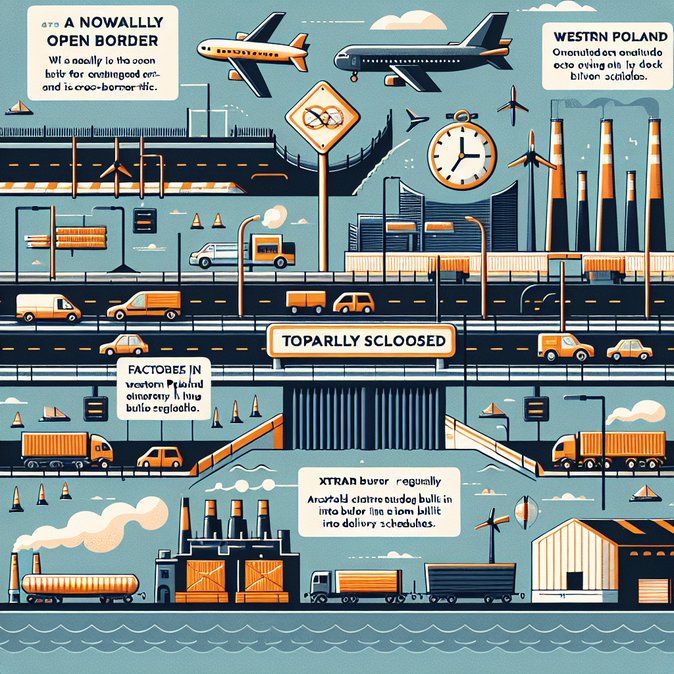
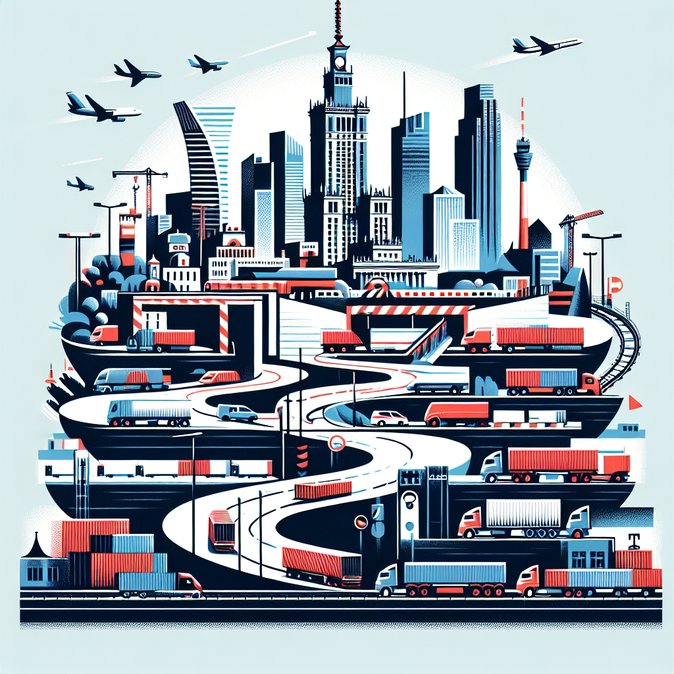
For businesses, the extension means that trucks, coaches and company cars will continue to face document inspections on the A2 and A4 motorways and on key rail crossings. Logistics firms — especially just-in-time automotive suppliers clustered around Wrocław and Poznań — should factor in potential delays of 20–40 minutes at peak times. Air and sea links are unaffected, but business travellers driving rental vehicles from Berlin or Vilnius still need to carry passports or national ID cards and be prepared for random checks. Polish officials stress that the arrangement is “temporary and targeted.” Still, hoteliers in border towns such as Słubice say cancellations from German day-trippers have risen by 7 % since controls resumed. Industry associations are therefore urging Warsaw and Berlin to expand the number of “green lanes” for EU residents and pre-cleared freight to keep trade flowing while security screening continues. EU interior ministers are due to review the measure in June. If the migration situation eases, Poland could lift the controls earlier, but officials privately say that is unlikely before the autumn local-election cycle.
The checkpoints were first set up in July 2025 after Polish and German authorities reported a surge in migrants who had entered the EU through Belarus continuing westward through Poland. According to Polish Border Guard statistics, officers on the Lubuskie and Dolnośląskie stretches of the German frontier have inspected more than 775,000 travellers and turned back roughly 500 individuals since controls resumed. Lithuania has likewise reported a sharp drop in irregular transit since joint patrols with Poland were intensified.
To help travellers navigate these evolving requirements, VisaHQ provides real-time guidance on the documents needed for entry to Poland and neighbouring countries and can arrange any necessary visas or transit permits online; more information is available at https://www.visahq.com/poland/
For businesses, the extension means that trucks, coaches and company cars will continue to face document inspections on the A2 and A4 motorways and on key rail crossings. Logistics firms — especially just-in-time automotive suppliers clustered around Wrocław and Poznań — should factor in potential delays of 20–40 minutes at peak times. Air and sea links are unaffected, but business travellers driving rental vehicles from Berlin or Vilnius still need to carry passports or national ID cards and be prepared for random checks. Polish officials stress that the arrangement is “temporary and targeted.” Still, hoteliers in border towns such as Słubice say cancellations from German day-trippers have risen by 7 % since controls resumed. Industry associations are therefore urging Warsaw and Berlin to expand the number of “green lanes” for EU residents and pre-cleared freight to keep trade flowing while security screening continues. EU interior ministers are due to review the measure in June. If the migration situation eases, Poland could lift the controls earlier, but officials privately say that is unlikely before the autumn local-election cycle.