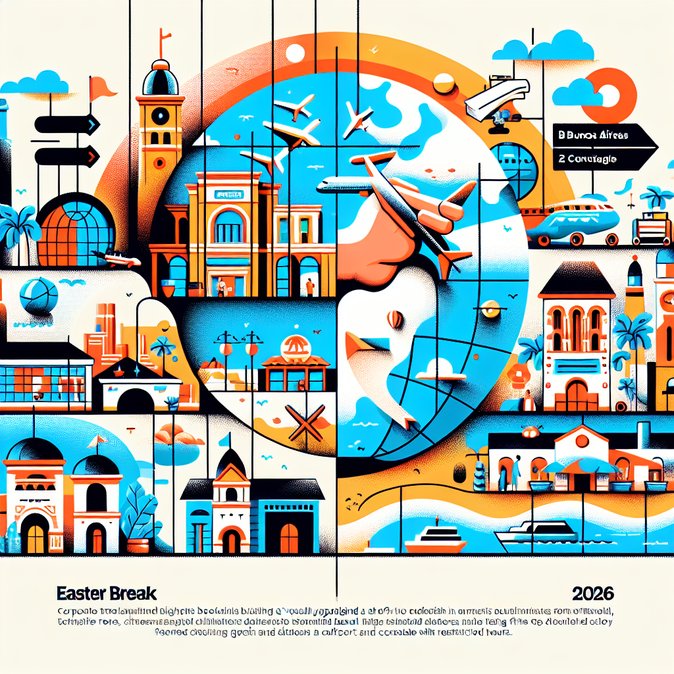
The mountain resort town of Gramado, famed for its chocolate factories and European-style architecture, is experiencing what local officials call the biggest Easter surge on record. According to the municipality’s tourism secretariat, about 700,000 visitors are expected between 2 and 12 April 2026, a 9 % jump over last year. Hoteliers report occupancy at 98 % and average daily room rates up 14 % year-on-year.
![Brazil’s Easter Weekend Draws 700,000 Tourists to Gramado, Straining Local Mobility]()
Before tackling these logistical hurdles, international visitors should make sure their entry paperwork is in order. VisaHQ (https://www.visahq.com/brazil/) offers a streamlined online platform to secure Brazilian visas, provides real-time status tracking, and can coordinate group submissions for mobility managers planning large-scale deployments to Rio Grande do Sul.
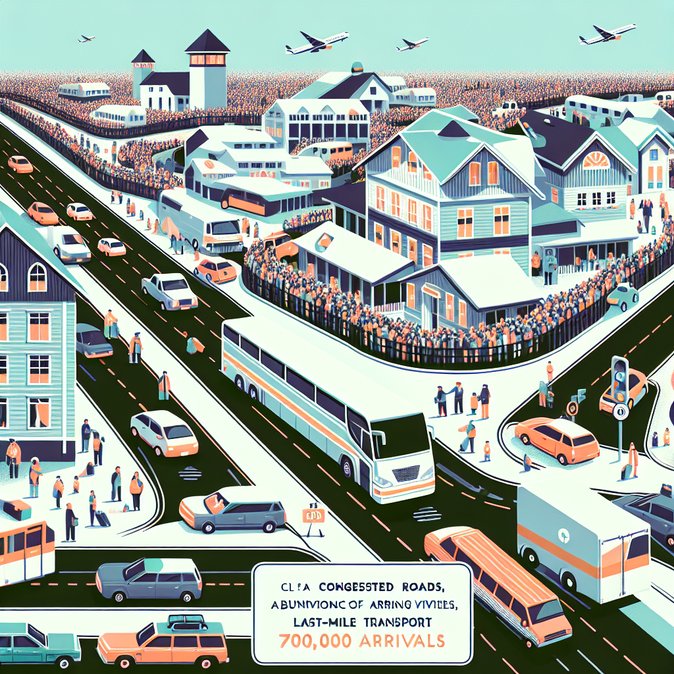
Inter-city coach operators added 120 extra departures from Porto Alegre and Curitiba, while Azul and LATAM scheduled six charter rotations into the nearby Caxias do Sul airport. Ride-hailing wait times inside Gramado have ballooned to over 25 minutes at peak, prompting the city to convert sections of Avenida Borges de Medeiros into pedestrian-only zones during evenings. For companies that relocate staff to Rio Grande do Sul or move foreign executives through the region, the spike illustrates the need for dynamic travel policies that flag seasonal choke-points. Mobility managers should advise travellers to fly into Porto Alegre and continue by pre-booked shuttle, as same-day car rentals are virtually sold out. Regional supply-chain firms are also facing delivery delays because municipal bylaws restrict cargo vehicle access to the town centre during festival parades. The state’s Civil Defence agency has deployed additional personnel after heavy traffic on the RS-115 highway caused four-hour tailbacks on Good Friday. Emergency-services helicopters are on stand-by for medical evacuations, underlining the importance of robust travel-insurance coverage for business visitors. The Easter festival includes more than 100 free performances, boosting the local economy but pressing infrastructure that was originally designed for a resident population of just 36,000. Urban-planning experts argue that Gramado’s experience is a case study in balancing overtourism with sustainable mobility solutions in secondary Brazilian cities.

Before tackling these logistical hurdles, international visitors should make sure their entry paperwork is in order. VisaHQ (https://www.visahq.com/brazil/) offers a streamlined online platform to secure Brazilian visas, provides real-time status tracking, and can coordinate group submissions for mobility managers planning large-scale deployments to Rio Grande do Sul.
Inter-city coach operators added 120 extra departures from Porto Alegre and Curitiba, while Azul and LATAM scheduled six charter rotations into the nearby Caxias do Sul airport. Ride-hailing wait times inside Gramado have ballooned to over 25 minutes at peak, prompting the city to convert sections of Avenida Borges de Medeiros into pedestrian-only zones during evenings. For companies that relocate staff to Rio Grande do Sul or move foreign executives through the region, the spike illustrates the need for dynamic travel policies that flag seasonal choke-points. Mobility managers should advise travellers to fly into Porto Alegre and continue by pre-booked shuttle, as same-day car rentals are virtually sold out. Regional supply-chain firms are also facing delivery delays because municipal bylaws restrict cargo vehicle access to the town centre during festival parades. The state’s Civil Defence agency has deployed additional personnel after heavy traffic on the RS-115 highway caused four-hour tailbacks on Good Friday. Emergency-services helicopters are on stand-by for medical evacuations, underlining the importance of robust travel-insurance coverage for business visitors. The Easter festival includes more than 100 free performances, boosting the local economy but pressing infrastructure that was originally designed for a resident population of just 36,000. Urban-planning experts argue that Gramado’s experience is a case study in balancing overtourism with sustainable mobility solutions in secondary Brazilian cities.