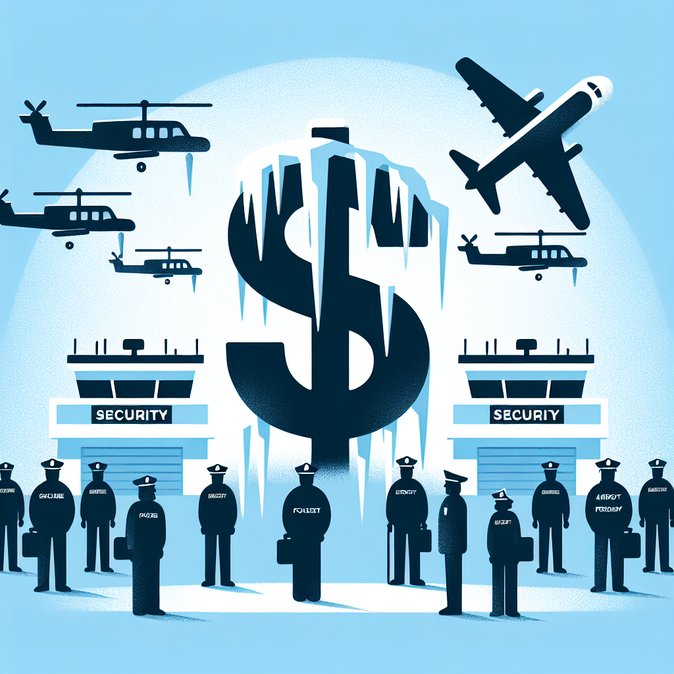
In a unanimous-consent vote before dawn on April 2, the U.S. Senate advanced a bipartisan measure that would fund most of the Department of Homeland Security through the fiscal year—except Immigration and Customs Enforcement (ICE) and the Border Patrol—and sent it back to the House for concurrence. The stopgap, crafted after days of cross-party talks, is designed to restart paychecks and normal operations at TSA and CBP, where staffing shortfalls have strained airports and seaports nationwide. But House leaders remain divided: conservative members insist any deal must also finance full immigration enforcement, while moderates warn that continued delays will deepen economic damage during peak travel season. Without House action, federal workers are due to miss a third paycheck next week, and contingency plans to shutter two smaller airports in the Midwest have already been drafted.
![Senate sends plan to end DHS shutdown back to House as airport delays loom]()
For travelers caught in the middle of these disruptions, VisaHQ can help by expediting visa and passport applications and offering real-time updates on U.S. entry requirements; its online platform (https://www.visahq.com/united-states/) lets passengers, employers and travel managers check processing times and arrange courier services in minutes, minimizing disruption even when government functions slow down.
Airlines estimate the shutdown has cost them $280 million in rebooking fees and overtime. Business-immigration attorneys note that while USCIS is fee-funded and technically operating, many inter-agency functions—export-control checks, Social Security verifications and wage appeals—have stalled. The Senate bill would restore those ancillary services and prevent further backlog once signed. Lobby groups for travel, hospitality and logistics are pressuring House leadership to adopt the Senate framework before members recess for the weekend, warning that failure could trigger a domino effect of cancellations and supply-chain delays.

For travelers caught in the middle of these disruptions, VisaHQ can help by expediting visa and passport applications and offering real-time updates on U.S. entry requirements; its online platform (https://www.visahq.com/united-states/) lets passengers, employers and travel managers check processing times and arrange courier services in minutes, minimizing disruption even when government functions slow down.
Airlines estimate the shutdown has cost them $280 million in rebooking fees and overtime. Business-immigration attorneys note that while USCIS is fee-funded and technically operating, many inter-agency functions—export-control checks, Social Security verifications and wage appeals—have stalled. The Senate bill would restore those ancillary services and prevent further backlog once signed. Lobby groups for travel, hospitality and logistics are pressuring House leadership to adopt the Senate framework before members recess for the weekend, warning that failure could trigger a domino effect of cancellations and supply-chain delays.