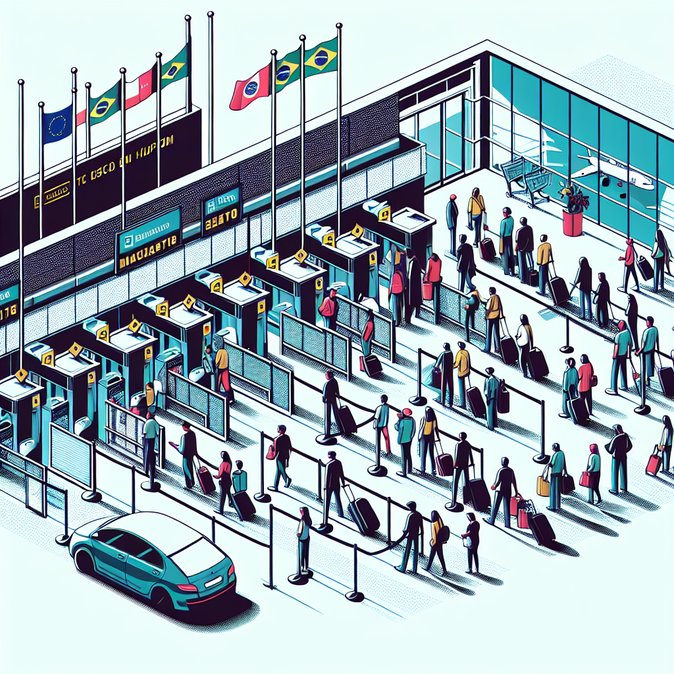
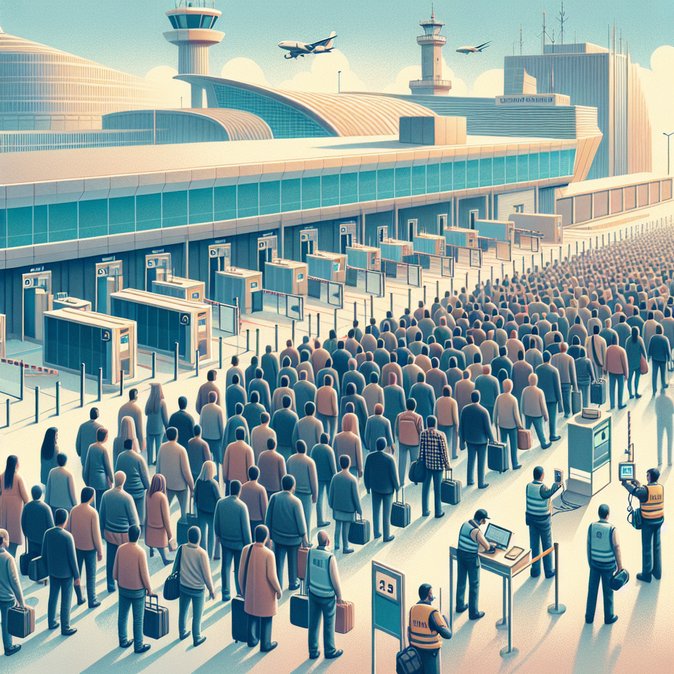
Portuguese airports have issued an alert that non-EU passengers—including the more than 3 million Brazilians who visit annually—could face passport-control waits of up to two hours during the Easter rush. The warning, published late on 1 April, comes as Portugal races to meet the EU-mandated 31 March deadline to register 100 per cent of travellers in the new digital Entry/Exit System (EES) before its formal launch on 9 April. Under EES, first-time arrivals must provide fingerprints or facial images and have their passports scanned into a central database that replaces manual stamping. Airport association ACI Europe and airline lobby A4E say the extra steps may double processing times during the transition.
![Portugal warns Easter travellers of two-hour border queues as EU Entry/Exit System goes live]()
Travellers looking to minimise surprises can also leverage visa and entry-requirement specialists: VisaHQ’s Brazil portal (https://www.visahq.com/brazil/) offers up-to-date guidance on Schengen border changes, personalised alerts, and document-processing support, streamlining everything from EES pre-enrolment advice to future ETIAS applications.
Lisbon, Porto and Faro airports—key gateways for Brazilian tourists and executives connecting onward to Schengen destinations—expect the heaviest congestion. Travel-programme managers should advise employees transiting Portugal to build longer connection buffers and, where possible, use biometric self-service lanes once enrolled. For Brazilians holding EU dual citizenship the queues should be shorter, but those travelling on Brazilian passports will undergo full third-country-national checks. The Electronic Travel Information and Authorisation System (ETIAS), due later in 2026, will add another pre-travel layer, making early preparation essential. Tour operators fear negative headlines could deter last-minute Easter bookings, but authorities insist delays will subside once the database contains returning travellers’ biometrics. In the meantime, mobile-first queue-management apps are being trialled, and additional staff have been redeployed from quieter regional airports. For companies with frequent Brazil-EU travel, the episode underscores the importance of monitoring Schengen-border digitisation projects. Failure to plan for processing spikes can lead to missed meetings, tight layovers and re-ticketing costs that quickly erode travel budgets.
Travellers looking to minimise surprises can also leverage visa and entry-requirement specialists: VisaHQ’s Brazil portal (https://www.visahq.com/brazil/) offers up-to-date guidance on Schengen border changes, personalised alerts, and document-processing support, streamlining everything from EES pre-enrolment advice to future ETIAS applications.
Lisbon, Porto and Faro airports—key gateways for Brazilian tourists and executives connecting onward to Schengen destinations—expect the heaviest congestion. Travel-programme managers should advise employees transiting Portugal to build longer connection buffers and, where possible, use biometric self-service lanes once enrolled. For Brazilians holding EU dual citizenship the queues should be shorter, but those travelling on Brazilian passports will undergo full third-country-national checks. The Electronic Travel Information and Authorisation System (ETIAS), due later in 2026, will add another pre-travel layer, making early preparation essential. Tour operators fear negative headlines could deter last-minute Easter bookings, but authorities insist delays will subside once the database contains returning travellers’ biometrics. In the meantime, mobile-first queue-management apps are being trialled, and additional staff have been redeployed from quieter regional airports. For companies with frequent Brazil-EU travel, the episode underscores the importance of monitoring Schengen-border digitisation projects. Failure to plan for processing spikes can lead to missed meetings, tight layovers and re-ticketing costs that quickly erode travel budgets.
More From Brazil
View all
Petrobras raises aviation-kerosene price by 55 % and offers airlines unprecedented instalment plan
Brazil’s Federal Highway Police launch nationwide Easter travel operation targeting unsafe overtaking