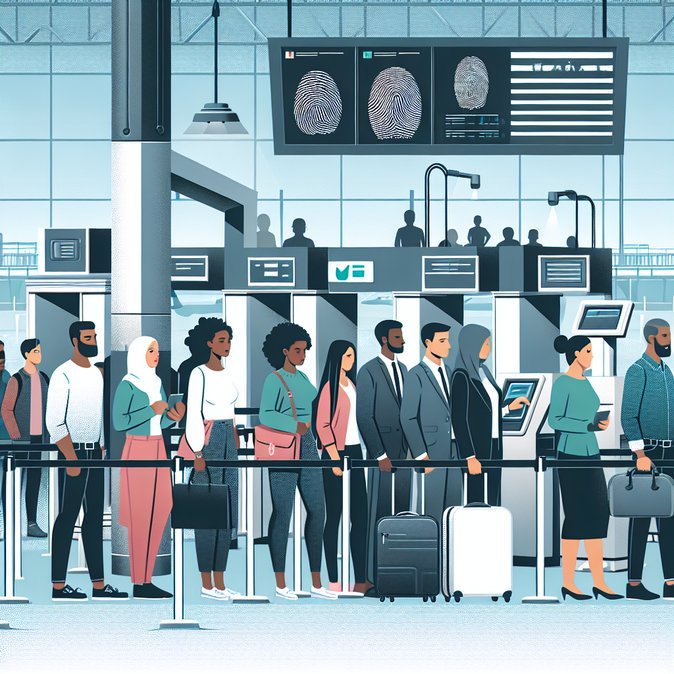
With just days to go before the EU’s new Entry/Exit System (EES) becomes mandatory for all non-EU travellers at Schengen external borders, Irish businesses and travellers are scrambling to understand what the change means for their itineraries. The EES, which electronically records each crossing and captures fingerprint and facial biometrics, formally moved from a 50 % to 100 % registration requirement on 31 March. By 10 April 2026 passport stamping will disappear completely across the 29-state Schengen Area, replacing ink with data. Although Ireland is **not** part of either the Schengen Area or the EES, the system will still reshape travel patterns through Dublin, Shannon and Cork. Many long-haul visitors—particularly corporate travellers from North America and Asia—enter Europe via Ireland before continuing on to Schengen destinations. Under the new rules they will clear Irish immigration as normal (stamp in, no biometrics) but must complete full EES enrolment the first time they cross an external Schengen border, for example when taking a connecting flight from Dublin to Paris or Frankfurt.
![Ireland braces for Schengen Entry/Exit System roll-out as EU airports warn of delays]()
If you’re unsure how these changes affect your specific route or documentation, VisaHQ’s Ireland portal (https://www.visahq.com/ireland/) offers up-to-date guidance on Schengen entry rules, biometric passport requirements and connection planning. The service can also handle renewals and courier deliveries, helping both individual travellers and corporate travel managers stay compliant and avoid last-minute surprises.
Airlines have already warned of potential two-hour queues at peak times as airports race to install additional self-service kiosks and recruit trained border officers. For multinational companies running pan-European assignments from Irish hubs this raises immediate operational questions: should teams build longer connection times into bookings? Should assignees who make frequent short hops onto the Continent complete their initial EES registration during quieter periods? Travel managers are also reviewing corporate travel policies to ensure staff passports are biometric and valid for fingerprinting—manual passports cannot use the self-service lanes that are expected to speed the process. Meanwhile, Dublin Airport Authority (DAA) says it is liaising with Schengen partners to provide clear signage and pre-departure briefings. Ryanair has already updated its online check-in pages with EES reminders, while Aer Lingus is sending targeted emails to US-based frequent flyers. Irish travel-tech firms see upside too: several are working with European partners on mobile pre-registration apps that could reduce bottlenecks. In the short term, however, the message for anyone flying from Ireland into the Schengen zone after 1 April is simple: allow extra time and expect the first crossing to take longer than usual. Once enrolled, subsequent trips should be quicker—but only if airports have the staff and kiosks to keep the lines moving.
If you’re unsure how these changes affect your specific route or documentation, VisaHQ’s Ireland portal (https://www.visahq.com/ireland/) offers up-to-date guidance on Schengen entry rules, biometric passport requirements and connection planning. The service can also handle renewals and courier deliveries, helping both individual travellers and corporate travel managers stay compliant and avoid last-minute surprises.
Airlines have already warned of potential two-hour queues at peak times as airports race to install additional self-service kiosks and recruit trained border officers. For multinational companies running pan-European assignments from Irish hubs this raises immediate operational questions: should teams build longer connection times into bookings? Should assignees who make frequent short hops onto the Continent complete their initial EES registration during quieter periods? Travel managers are also reviewing corporate travel policies to ensure staff passports are biometric and valid for fingerprinting—manual passports cannot use the self-service lanes that are expected to speed the process. Meanwhile, Dublin Airport Authority (DAA) says it is liaising with Schengen partners to provide clear signage and pre-departure briefings. Ryanair has already updated its online check-in pages with EES reminders, while Aer Lingus is sending targeted emails to US-based frequent flyers. Irish travel-tech firms see upside too: several are working with European partners on mobile pre-registration apps that could reduce bottlenecks. In the short term, however, the message for anyone flying from Ireland into the Schengen zone after 1 April is simple: allow extra time and expect the first crossing to take longer than usual. Once enrolled, subsequent trips should be quicker—but only if airports have the staff and kiosks to keep the lines moving.
More From Ireland
View all
Dublin Airport expects near-record 450,000 passengers over Easter weekend

IATA chief tells Oireachtas that Dublin Airport passenger cap is now “a real and immediate risk” to Ireland’s economy