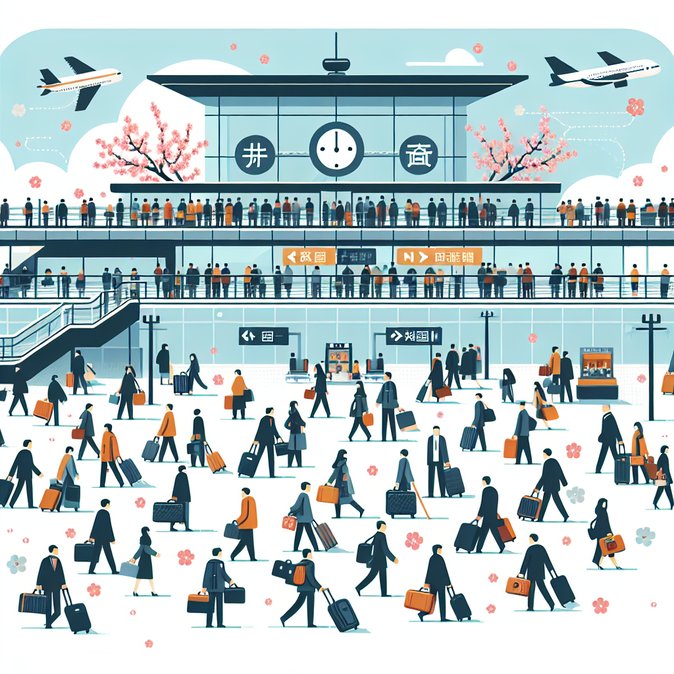
China’s National Immigration Administration (NIA) is bracing for an unprecedented swell of cross-border traffic during the upcoming Qingming Festival long-weekend (4–6 April). In a notice issued late on 1 April, the agency forecast more than 2.3 million inbound and outbound movements per day—an 11.1 percent jump on last year. The spike will be fuelled by overlapping school breaks, an extended five-day holiday in Hong Kong and Macao, and a raft of visa-friendly policies Beijing rolled out over the past 18 months. Airports and land ports from Hangzhou to Changchun are gearing up with extra staffing and e-gates: Hangzhou Xiaoshan expects 250 additional international flights over the period, while Jilin’s Changchun and Yanji ports have scheduled 50 flights linking Seoul, Hong Kong and Tokyo. Inbound arrivals from Singapore and Malaysia are forecast to climb 30 percent year-on-year, underscoring Southeast Asia’s quick rebound. Policy tail-winds matter.
![China projects record 2.3 million daily border crossings for Qingming holiday]()
For travellers needing a quick, reliable way to sort out the new visa-free and transit-waiver options, VisaHQ can streamline the entire process. Its dedicated China portal (https://www.visahq.com/china/) provides up-to-date guidance, online applications and live support, ensuring both business and leisure passengers file the right documents and avoid last-minute airport complications.
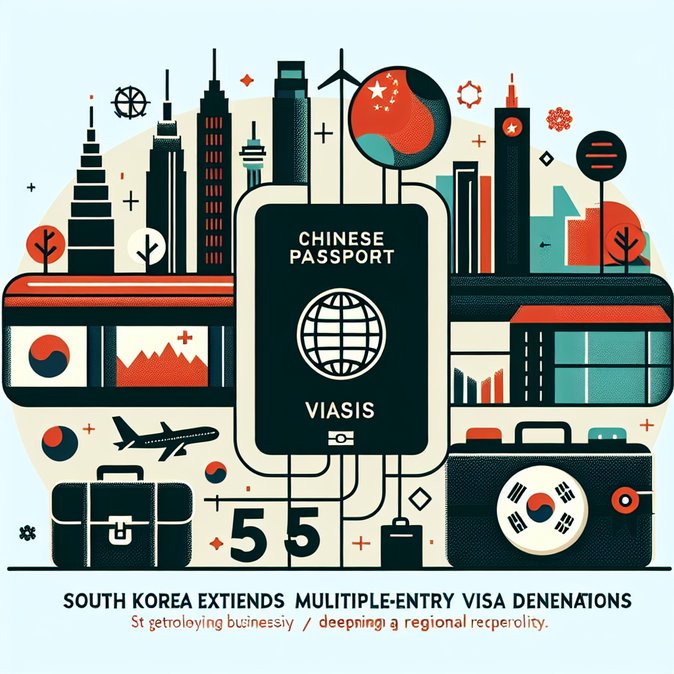
Since late 2024 China has extended 240-hour transit-visa waivers to 60 ports and revived 15-day unilateral visa-free entry for 50 countries, cutting application times and costs for short-stay business travellers. The NIA says those measures lifted foreign arrivals to 40.6 million in 2025, with usage of the 240-hour waiver up 60.8 percent. The holiday rush comes amid fierce regional competition for the Chinese traveller. South Korea this week lengthened multiple-entry visas for PRC citizens to five and ten years, and Southeast Asian tourism boards are matching China’s facilitation with targeted promotions. Analysts warn that popular gateways could face bottlenecks unless carriers and airports adjust schedules and reopen dormant counters. For corporate mobility managers the message is clear: secure flight seats early, advise executives to allow extra clearance time, and remind them that many Chinese ports still require a paper customs declaration even if the arrival card has gone digital. Employees transiting on the 240-hour waiver should carry proof of onward travel and hotel bookings as spot checks have increased.

For travellers needing a quick, reliable way to sort out the new visa-free and transit-waiver options, VisaHQ can streamline the entire process. Its dedicated China portal (https://www.visahq.com/china/) provides up-to-date guidance, online applications and live support, ensuring both business and leisure passengers file the right documents and avoid last-minute airport complications.
Since late 2024 China has extended 240-hour transit-visa waivers to 60 ports and revived 15-day unilateral visa-free entry for 50 countries, cutting application times and costs for short-stay business travellers. The NIA says those measures lifted foreign arrivals to 40.6 million in 2025, with usage of the 240-hour waiver up 60.8 percent. The holiday rush comes amid fierce regional competition for the Chinese traveller. South Korea this week lengthened multiple-entry visas for PRC citizens to five and ten years, and Southeast Asian tourism boards are matching China’s facilitation with targeted promotions. Analysts warn that popular gateways could face bottlenecks unless carriers and airports adjust schedules and reopen dormant counters. For corporate mobility managers the message is clear: secure flight seats early, advise executives to allow extra clearance time, and remind them that many Chinese ports still require a paper customs declaration even if the arrival card has gone digital. Employees transiting on the 240-hour waiver should carry proof of onward travel and hotel bookings as spot checks have increased.