Brazil’s Ministry of Tourism formally started a 20-day countdown on 1 April 2026 for every hotel, pousada and short-stay accommodation in the country to replace the paper guest-card with the new Ficha Nacional de Registro de Hóspedes (FNRH) Digital. The platform, developed with federal IT-provider Serpro and integrated with the single-sign-on Gov.br account, will become mandatory from 20 April. In practical terms, the change abolishes the manual check-in form that hotels have been obliged to keep on file for decades. Guests—Brazilian or foreign—will be able to pre-fill personal data before arrival or scan a QR code at reception; the hotel only needs to confirm the stay dates and issue an e-signature.
![Brazil sets 20-day deadline for hotels to adopt 100 % digital guest-registration system]()
For travellers who still need to secure the appropriate visa documentation before crossing the border, VisaHQ offers a streamlined online application service for Brazil that complements this new frictionless check-in experience. The platform guides users through each requirement, provides real-time status updates and can even arrange expedited processing when deadlines are tight—see https://www.visahq.com/brazil/ for details.
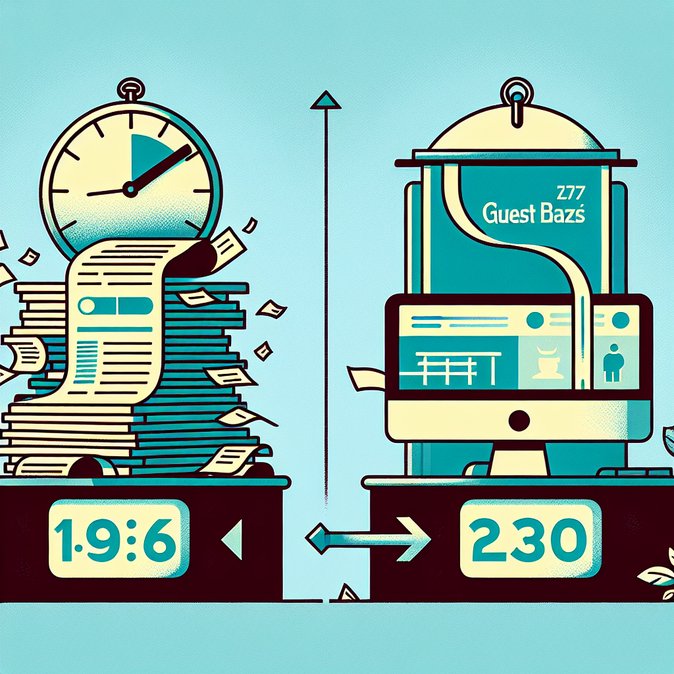
The Ministry highlights that the system complies with Brazil’s General Data-Protection Law (LGPD): establishments see only operational data, while anonymised statistics feed government dashboards used for tourism policy and investment planning. For operators the cost benefit is immediate. The ministry estimates the average mid-size hotel will save about R$35,000 a year in printing, archiving and courier costs and cut average check-in time from five minutes to 60 seconds. Automatic reporting to the federal police also reduces compliance risks for international chains that must track the movement of foreign guests. Large hotel groups—including Accor, Atlantica and Nacional Inn—have already linked their property-management systems to the API. Smaller independents can use a free web interface or a mobile app released this week. A series of webinars and step-by-step manuals (in Portuguese, English and Spanish) were published to minimise disruption during the Easter-holiday peak. For global-mobility and travel-programme managers the digital FNRH means faster night audits, fewer lost invoices and more granular traveller-location data—an increasingly important component of duty-of-care programmes. Companies should brief travellers that presenting a CPF (Brazilian tax number) or passport at reception is still required, but physical signatures and paper copies are no longer necessary.

For travellers who still need to secure the appropriate visa documentation before crossing the border, VisaHQ offers a streamlined online application service for Brazil that complements this new frictionless check-in experience. The platform guides users through each requirement, provides real-time status updates and can even arrange expedited processing when deadlines are tight—see https://www.visahq.com/brazil/ for details.
The Ministry highlights that the system complies with Brazil’s General Data-Protection Law (LGPD): establishments see only operational data, while anonymised statistics feed government dashboards used for tourism policy and investment planning. For operators the cost benefit is immediate. The ministry estimates the average mid-size hotel will save about R$35,000 a year in printing, archiving and courier costs and cut average check-in time from five minutes to 60 seconds. Automatic reporting to the federal police also reduces compliance risks for international chains that must track the movement of foreign guests. Large hotel groups—including Accor, Atlantica and Nacional Inn—have already linked their property-management systems to the API. Smaller independents can use a free web interface or a mobile app released this week. A series of webinars and step-by-step manuals (in Portuguese, English and Spanish) were published to minimise disruption during the Easter-holiday peak. For global-mobility and travel-programme managers the digital FNRH means faster night audits, fewer lost invoices and more granular traveller-location data—an increasingly important component of duty-of-care programmes. Companies should brief travellers that presenting a CPF (Brazilian tax number) or passport at reception is still required, but physical signatures and paper copies are no longer necessary.