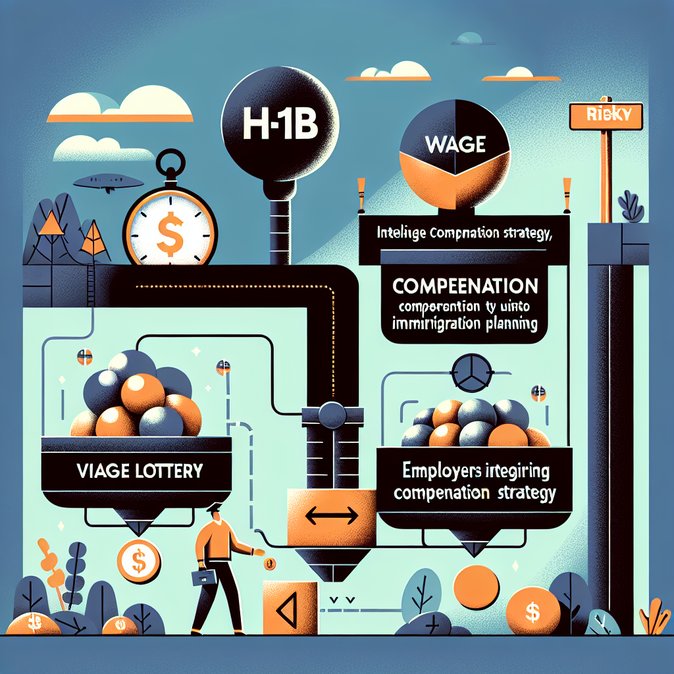
March 31 marks the first lottery deadline under the United States’ new wage-weighted H-1B selection system—a dramatic departure from the random draw in place since 1990. Effective February 27, 2026, USCIS now assigns four entries to Level IV wage offers, three to Level III, two to Level II and only one to Level I, tilting odds toward employers willing to pay higher salaries. The policy reflects the Trump administration’s view that the H-1B program should prioritise "the best and brightest" and protect U.S. workers from wage depression. According to FWD.us estimates, roughly 730,000 H-1B holders and 550,000 dependents reside in the country; any shift in selection criteria has outsized labour-market repercussions. For HR leaders the implications are threefold: 1. Compensation strategy now directly influences visa success. Budgeting lower wages to conserve costs could render a candidate statistically invisible in the weighted pool. 2. Compliance risk moves "upstream." Registration details—SOC code, wage level and worksite—must match the eventual petition. USCIS has signalled it may deny or even revoke approvals if employers tweak wages post-selection. 3. Industry disparities widen. Healthcare, higher education and rural employers that rely on Level I–II wages may see severe drops in selection rates, aggravating skills shortages.
![What the new wage-weighted H-1B lottery means for HR compliance in FY 2027]()
If navigating these complexities feels daunting, VisaHQ can streamline the process. The platform’s U.S. immigration hub (https://www.visahq.com/united-states/) consolidates up-to-date requirements, fee schedules and timeline calculators for H-1B as well as alternative visa categories, giving HR teams and foreign professionals a clear, step-by-step roadmap to ensure wage-level strategy aligns with the right immigration pathway.
Practical next steps include early wage audits, scenario planning for unselected candidates (e.g., O-1, L-1, TN), and close coordination with immigration counsel to align Labor Condition Applications with registration data. Smaller firms should especially weigh the cost–benefit of raising offers versus the risk of losing critical talent for an entire fiscal year. Looking ahead, immigration attorneys expect litigation challenging DHS’s statutory authority to re-engineer the lottery but concede that any injunction would likely come too late for the FY 2027 cycle. For now, employers must treat wage as the new currency of H-1B access.

If navigating these complexities feels daunting, VisaHQ can streamline the process. The platform’s U.S. immigration hub (https://www.visahq.com/united-states/) consolidates up-to-date requirements, fee schedules and timeline calculators for H-1B as well as alternative visa categories, giving HR teams and foreign professionals a clear, step-by-step roadmap to ensure wage-level strategy aligns with the right immigration pathway.
Practical next steps include early wage audits, scenario planning for unselected candidates (e.g., O-1, L-1, TN), and close coordination with immigration counsel to align Labor Condition Applications with registration data. Smaller firms should especially weigh the cost–benefit of raising offers versus the risk of losing critical talent for an entire fiscal year. Looking ahead, immigration attorneys expect litigation challenging DHS’s statutory authority to re-engineer the lottery but concede that any injunction would likely come too late for the FY 2027 cycle. For now, employers must treat wage as the new currency of H-1B access.