
Dubai residents face a busy first week of April as the emirate simultaneously reinstates normal residency-permit rules, reopens schools, welcomes back key European airlines and rolls out a nationwide banking security overhaul. The residency grace period that has allowed holders of lapsed UAE ID cards to return without penalty since the outbreak of Gulf hostilities ends tonight, 31 March; from tomorrow, immigration officers will once again deny boarding to anyone whose visa shows an expiry date.
![Dubai prepares for four sweeping mobility changes as residency grace, school closures and flight bans are lifted in early April]()
VisaHQ can assist travellers and expatriates navigating these reinstated residency-permit requirements by expediting visa renewals and providing up-to-date entry guidance through its online platform; for details, visit https://www.visahq.com/united-arab-emirates/
With the education sector similarly edging back to normal, the Knowledge and Human Development Authority confirmed that all public and private schools resume in-person classes on 3 April after a precautionary 10-day switch to remote learning. Parents have been advised to check updated bus timetables and campus access procedures. Aviation capacity is also set to improve. Air France will restart Paris–Dubai flights on 2 April, while Turkish Airlines has filed schedules for mid-April returns. Lufthansa Group carriers, by contrast, have extended suspensions until at least 1 June, meaning corporate travellers bound for German hubs must continue to route via alternative gateways. Finally, the Central Bank’s mandatory shift from SMS one-time-passwords to in-app biometric approval becomes fully enforceable this month. Banks warn that customers who have not activated their mobile-app tokens risk being unable to authorise online card payments or salary transfers. For newly arrived expatriates, downloading the bank app will be as essential as registering Emirates ID. Collectively, the four changes signal a decisive—if cautious—pivot from emergency measures to standard regulatory frameworks and should ease planning for employers moving staff into or through Dubai in the second quarter.

VisaHQ can assist travellers and expatriates navigating these reinstated residency-permit requirements by expediting visa renewals and providing up-to-date entry guidance through its online platform; for details, visit https://www.visahq.com/united-arab-emirates/
With the education sector similarly edging back to normal, the Knowledge and Human Development Authority confirmed that all public and private schools resume in-person classes on 3 April after a precautionary 10-day switch to remote learning. Parents have been advised to check updated bus timetables and campus access procedures. Aviation capacity is also set to improve. Air France will restart Paris–Dubai flights on 2 April, while Turkish Airlines has filed schedules for mid-April returns. Lufthansa Group carriers, by contrast, have extended suspensions until at least 1 June, meaning corporate travellers bound for German hubs must continue to route via alternative gateways. Finally, the Central Bank’s mandatory shift from SMS one-time-passwords to in-app biometric approval becomes fully enforceable this month. Banks warn that customers who have not activated their mobile-app tokens risk being unable to authorise online card payments or salary transfers. For newly arrived expatriates, downloading the bank app will be as essential as registering Emirates ID. Collectively, the four changes signal a decisive—if cautious—pivot from emergency measures to standard regulatory frameworks and should ease planning for employers moving staff into or through Dubai in the second quarter.
More From United Arab Emirates
View all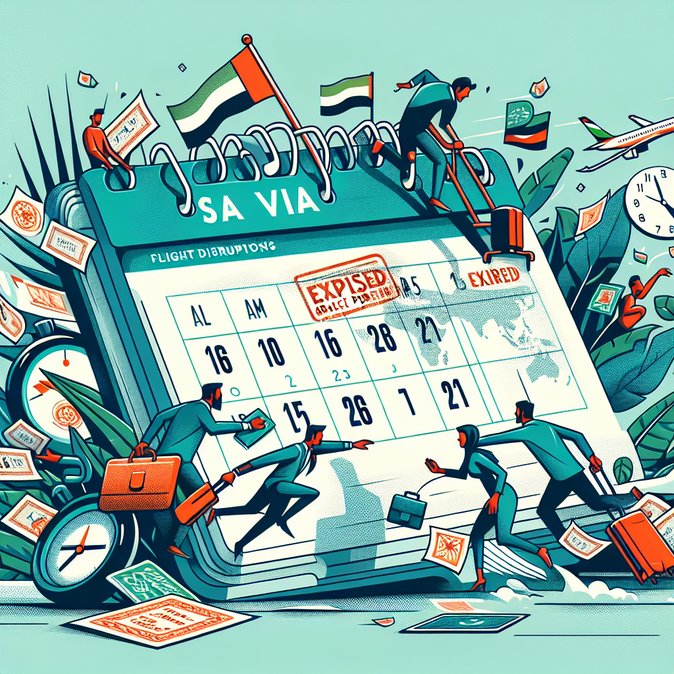
UAE’s one-month emergency visa grace period ends, leaving thousands racing to re-enter before midnight

Air India schedules 20 ad-hoc flights to UAE on 31 March to clear backlog of stranded passengers