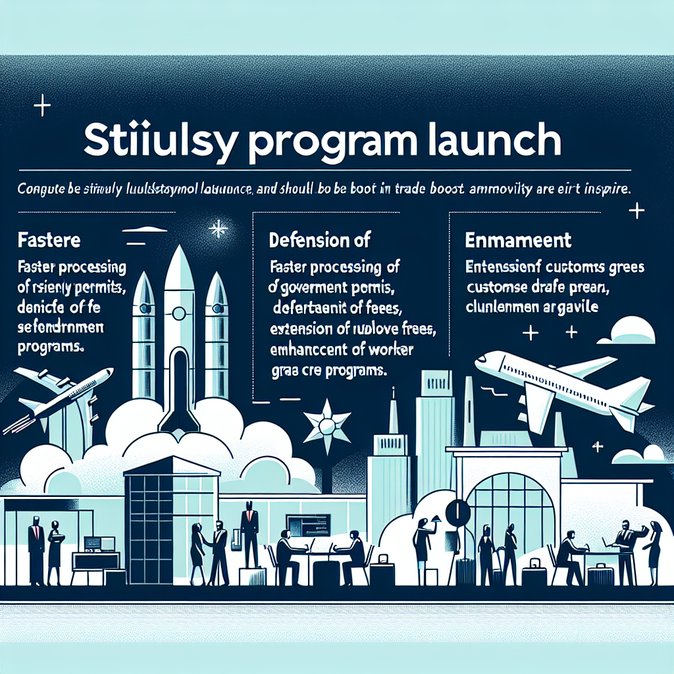
The Executive Council of Dubai has signed off a five-pillar economic and social support programme worth AED 1 billion (USD 272 million) to cushion businesses and workers from the knock-on effects of Middle-East conflict and travel disruption. Key measures include a three-month deferral of selected government fees, extended customs grace periods and new trade-facilitation rules that exempt artworks and other temporary imports from duty for up to three years.
Of particular interest to global-mobility stakeholders is the council’s pledge to “simplify residency-permit issuance and renewal.” While details have yet to be gazetted, officials briefed Gulf News that application touch-points will be consolidated on the ICP’s Smart Services portal and biometric appointments prioritised for critical-skill categories.
![Dubai approves AED 1 billion relief package, streamlines residency processing to protect jobs amid regional tension]()
At this juncture, organisations and individuals may find it useful to work with a specialist such as VisaHQ, which aggregates UAE residency-visa requirements, fee schedules and application timelines in one easy-to-use dashboard. The platform’s dedicated UAE page (https://www.visahq.com/united-arab-emirates/) offers document pre-checks, concierge support and real-time status tracking, streamlining compliance for HR teams navigating the upcoming rule changes.
The move aims to slash average renewal turnaround from 10 working days to five and reduce employer sponsorship costs by about 15 percent. The economic package dovetails with Dubai’s Empowerment Strategy, which has already generated 7,000 new jobs and subsidised worker-accommodation upgrades. Authorities said labour-camp health-and-safety audits will be expanded, with full compliance targeted by 2033 in line with ILO standards. For multinationals the incentives could offset some of the expense spikes triggered by supply-chain rerouting and insurance surcharges. Finance departments, however, should note that fee deferrals are temporary—cash-flow, not total liability, is affected. HR teams are advised to prepare for revised e-formats and documentation rules once the residency-streamlining decree is published in April.
Of particular interest to global-mobility stakeholders is the council’s pledge to “simplify residency-permit issuance and renewal.” While details have yet to be gazetted, officials briefed Gulf News that application touch-points will be consolidated on the ICP’s Smart Services portal and biometric appointments prioritised for critical-skill categories.

At this juncture, organisations and individuals may find it useful to work with a specialist such as VisaHQ, which aggregates UAE residency-visa requirements, fee schedules and application timelines in one easy-to-use dashboard. The platform’s dedicated UAE page (https://www.visahq.com/united-arab-emirates/) offers document pre-checks, concierge support and real-time status tracking, streamlining compliance for HR teams navigating the upcoming rule changes.
The move aims to slash average renewal turnaround from 10 working days to five and reduce employer sponsorship costs by about 15 percent. The economic package dovetails with Dubai’s Empowerment Strategy, which has already generated 7,000 new jobs and subsidised worker-accommodation upgrades. Authorities said labour-camp health-and-safety audits will be expanded, with full compliance targeted by 2033 in line with ILO standards. For multinationals the incentives could offset some of the expense spikes triggered by supply-chain rerouting and insurance surcharges. Finance departments, however, should note that fee deferrals are temporary—cash-flow, not total liability, is affected. HR teams are advised to prepare for revised e-formats and documentation rules once the residency-streamlining decree is published in April.
More From United Arab Emirates
View all
UAE’s one-month emergency visa grace period ends, leaving thousands racing to re-enter before midnight

Dubai prepares for four sweeping mobility changes as residency grace, school closures and flight bans are lifted in early April