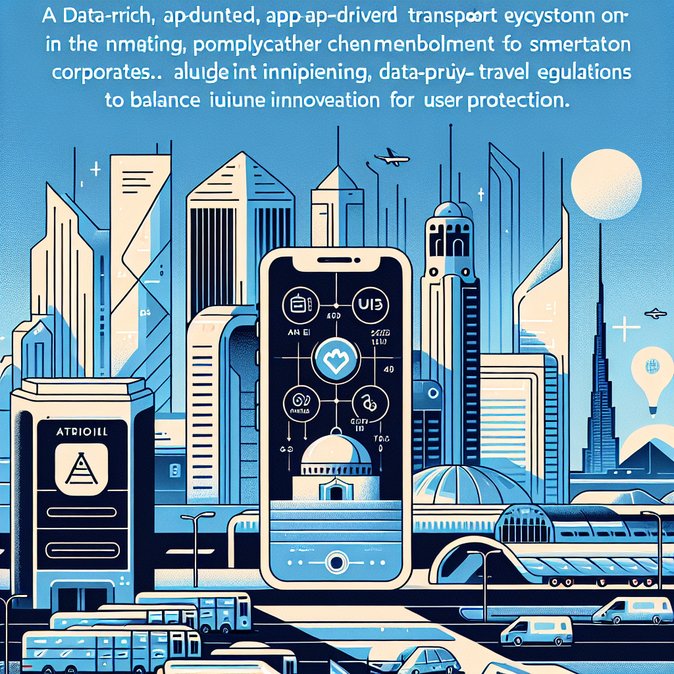
Yango Drive’s newly released 2025 Mobility Report highlights how artificial intelligence is quietly reshaping everything from taxi dispatch to multi-modal route planning across the Emirates. Drawing on government ridership data and proprietary platform metrics, the study notes that Dubai’s public-transport and shared-mobility network handled more than 747 million trips in 2024—rich fuel for machine-learning models that predict demand and optimise fleet allocation. With smartphone penetration at 97 percent, the UAE offers what the authors call “a real-world stress test” for AI-powered pricing, dynamic routing and personalised travel recommendations.
![AI-driven mobility report positions UAE as test-bed for next-gen travel services]()
Whether you’re an entrepreneur scouting the booming e-mobility sector or a tourist keen to test Dubai’s friction-less ride-hailing apps, VisaHQ can take the hassle out of visa formalities. Its digital platform (https://www.visahq.com/united-arab-emirates/) walks applicants through requirements step by step and tracks approvals in real time, so that your only algorithmic concern is how AI will optimise your next ride, not how to clear immigration.
Markets such as high-end car-rental—up 73 percent year-on-year—and electric-vehicle leasing—up 50 percent—provide granular behavioural clusters for algorithms to target. The report argues that immediate commercial value lies not in full vehicle autonomy but in “operational AI” that cuts passenger wait times, caps surge-pricing multipliers and feeds back data to regulators shaping urban-mobility policy. Case studies include Dubai’s V2X traffic-signal pilot, which reduced corridor congestion by 37 percent, and Hala’s peak-fare ceiling of 1.3×, enforced in real time through AI monitoring. For corporates managing travel budgets the findings suggest that AI-enabled marketplace platforms could unlock new negotiation levers—dynamic corporate rates, predictive spend forecasting and carbon-optimised routing. However, the authors caution that data-governance frameworks must keep pace; the UAE’s planned federal personal-data-protection by-laws, expected later this year, will determine how far mobility providers can monetise usage patterns.

Whether you’re an entrepreneur scouting the booming e-mobility sector or a tourist keen to test Dubai’s friction-less ride-hailing apps, VisaHQ can take the hassle out of visa formalities. Its digital platform (https://www.visahq.com/united-arab-emirates/) walks applicants through requirements step by step and tracks approvals in real time, so that your only algorithmic concern is how AI will optimise your next ride, not how to clear immigration.
Markets such as high-end car-rental—up 73 percent year-on-year—and electric-vehicle leasing—up 50 percent—provide granular behavioural clusters for algorithms to target. The report argues that immediate commercial value lies not in full vehicle autonomy but in “operational AI” that cuts passenger wait times, caps surge-pricing multipliers and feeds back data to regulators shaping urban-mobility policy. Case studies include Dubai’s V2X traffic-signal pilot, which reduced corridor congestion by 37 percent, and Hala’s peak-fare ceiling of 1.3×, enforced in real time through AI monitoring. For corporates managing travel budgets the findings suggest that AI-enabled marketplace platforms could unlock new negotiation levers—dynamic corporate rates, predictive spend forecasting and carbon-optimised routing. However, the authors caution that data-governance frameworks must keep pace; the UAE’s planned federal personal-data-protection by-laws, expected later this year, will determine how far mobility providers can monetise usage patterns.
More From United Arab Emirates
View all
UAE’s one-month emergency visa grace period ends, leaving thousands racing to re-enter before midnight

Dubai prepares for four sweeping mobility changes as residency grace, school closures and flight bans are lifted in early April