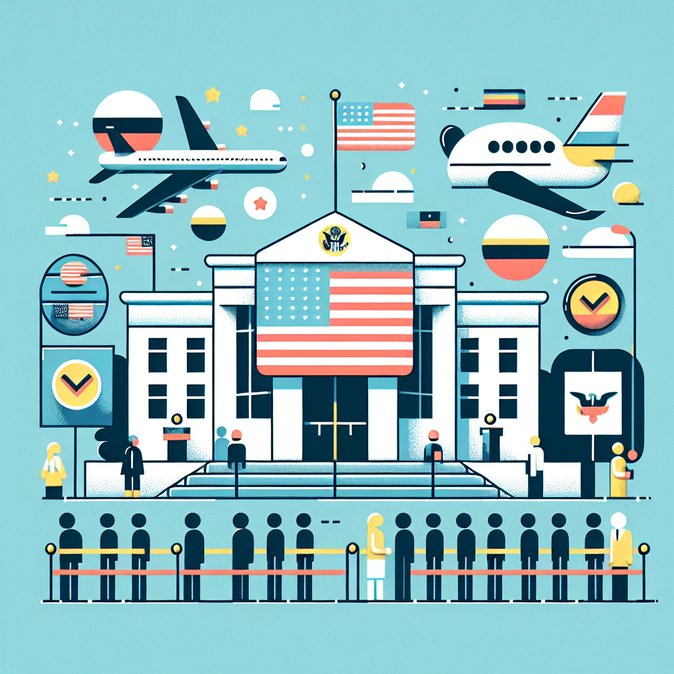
After a seven-year closure, the U.S. Embassy in Caracas officially re-opened on March 30, 2026, restoring a full diplomatic platform in Venezuela for the first time since 2019. The State Department said the move is a “key milestone” in Washington’s three-phase plan for normalising relations following January’s internationally brokered political transition that removed Nicolás Maduro from power. Although a small advance team has been on the ground for several weeks, Monday’s ribbon-cutting allows U.S. diplomats to begin refurbishing the long-neglected compound and—critically—rebuild the embassy’s consular section. For now, routine services such as passport renewals, emergency assistance to U.S. citizens, and the processing of non-immigrant and immigrant visas will continue to be handled by the U.S. Embassy in Bogotá. The State Department said it expects limited visa interviews to restart in Caracas “in the coming months,” once security systems, IT networks and mold remediation are completed.
Why it matters for global mobility: Venezuelans have faced some of the world’s longest wait times for U.S. visas—often exceeding 600 days—because they had to travel to third-country posts for interviews and biometrics.
Travelers looking for help during this transitional period can turn to VisaHQ’s online platform, which tracks real-time appointment availability and documentation requirements at every U.S. consulate. VisaHQ’s specialists can assist Venezuelan applicants—and the companies that sponsor them—in completing DS-160 forms, paying MRV fees, and securing interview dates as soon as slots in Caracas open up. For details, visit https://www.visahq.com/united-states/
![United States Re-opens Embassy in Caracas, Setting Stage for Resumption of Consular Services]()
Multinational companies with operations in Venezuela have relied on remote processing in Colombia or the Dominican Republic, incurring significant travel and lodging costs for employees. The restoration of even partial interview capacity in Caracas should reduce those expenses and shorten processing queues across Latin America. American citizens will also benefit. During the embassy’s closure, U.S. travelers had no local facility for emergency passports, welfare-and-whereabouts checks, or crisis evacuation coordination. Re-establishing a fully staffed Consular Section gives U.S. firms confidence to send short-term project teams back into Venezuela’s oil, agriculture and telecom sectors as sanctions are gradually eased.
Practical implications and next steps:
• HR and mobility managers should monitor the embassy’s website and the State Department’s STEP alert system for announcements about the phased resumption of visa interview scheduling.
• Expect immigrant-visa backlogs—especially family-based categories—to be re-routed to Caracas in late 2026, freeing scarce appointment slots in Bogotá, Santo Domingo, and Georgetown.
• Companies should review their crisis-management plans; the embassy cautions that until full consular capability is restored, U.S. citizens must still contact Bogotá for any time-sensitive assistance.
The reopening underscores a broader post-sanctions rebound in mobility between the United States and one of South America’s largest labour markets, but employers should prepare for transitional growing pains as consular staff and systems spool back up.
Why it matters for global mobility: Venezuelans have faced some of the world’s longest wait times for U.S. visas—often exceeding 600 days—because they had to travel to third-country posts for interviews and biometrics.
Travelers looking for help during this transitional period can turn to VisaHQ’s online platform, which tracks real-time appointment availability and documentation requirements at every U.S. consulate. VisaHQ’s specialists can assist Venezuelan applicants—and the companies that sponsor them—in completing DS-160 forms, paying MRV fees, and securing interview dates as soon as slots in Caracas open up. For details, visit https://www.visahq.com/united-states/

Multinational companies with operations in Venezuela have relied on remote processing in Colombia or the Dominican Republic, incurring significant travel and lodging costs for employees. The restoration of even partial interview capacity in Caracas should reduce those expenses and shorten processing queues across Latin America. American citizens will also benefit. During the embassy’s closure, U.S. travelers had no local facility for emergency passports, welfare-and-whereabouts checks, or crisis evacuation coordination. Re-establishing a fully staffed Consular Section gives U.S. firms confidence to send short-term project teams back into Venezuela’s oil, agriculture and telecom sectors as sanctions are gradually eased.
Practical implications and next steps:
• HR and mobility managers should monitor the embassy’s website and the State Department’s STEP alert system for announcements about the phased resumption of visa interview scheduling.
• Expect immigrant-visa backlogs—especially family-based categories—to be re-routed to Caracas in late 2026, freeing scarce appointment slots in Bogotá, Santo Domingo, and Georgetown.
• Companies should review their crisis-management plans; the embassy cautions that until full consular capability is restored, U.S. citizens must still contact Bogotá for any time-sensitive assistance.
The reopening underscores a broader post-sanctions rebound in mobility between the United States and one of South America’s largest labour markets, but employers should prepare for transitional growing pains as consular staff and systems spool back up.