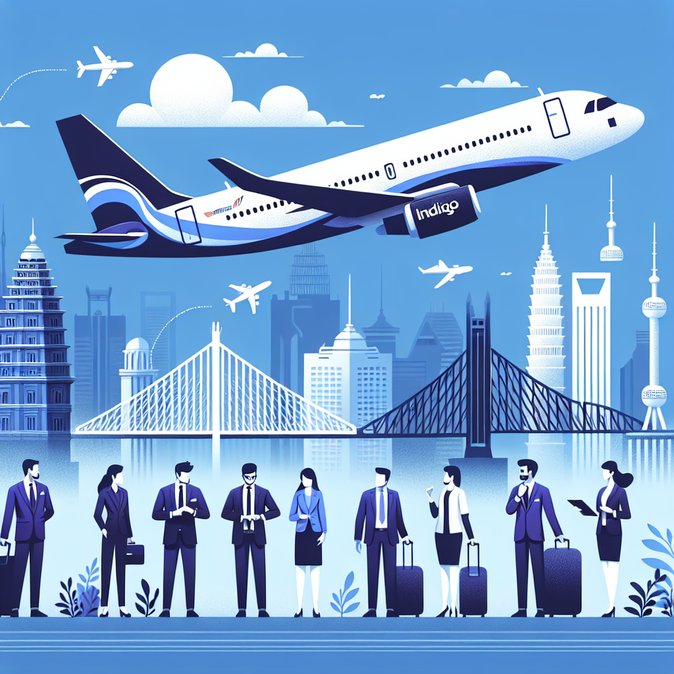
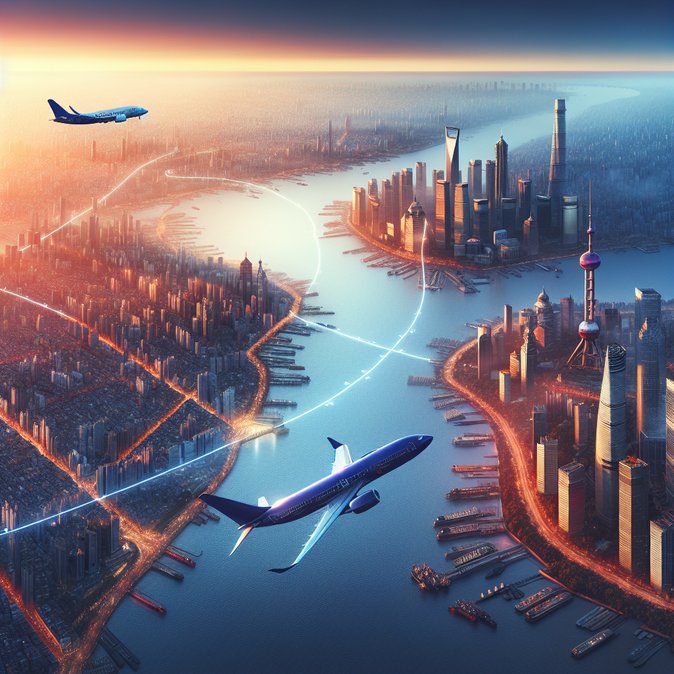
India’s largest airline, IndiGo, began operating a daily A320neo service between Kolkata and Shanghai on 29 March, its first ever non-stop connection to Mainland China’s commercial capital. The move expands IndiGo’s China footprint to 21 weekly flights and gives eastern India’s exporters a same-day link to the Yangtze River Delta—home to thousands of foreign-invested manufacturing plants. For business travellers, the schedule is designed around late-evening departures from Kolkata and mid-morning returns from Shanghai, allowing two full working days on the ground without extra hotel nights.
![IndiGo launches daily non-stop Kolkata–Shanghai flights, boosting India–China corporate links]()
Business and leisure passengers who need a Chinese visa can simplify the paperwork by using VisaHQ’s online application platform; the service walks applicants through every requirement and even arranges courier collection of passports, saving valuable time ahead of the trip (https://www.visahq.com/china/).
Through-tickets from nine Indian metros will feed the service, reflecting growing pent-up demand after years of limited bilateral capacity. Trade volumes between the two countries topped US$136 billion in 2025, and companies in sectors from electronics to chemicals have been lobbying for more direct uplift to cut transit times via Bangkok or Singapore. IndiGo’s Head of Global Sales, Vinay Malhotra, said the route would “unlock new trade, tourism and academic exchange opportunities”. Travel managers, however, will note that Indian carriers still lack Chinese domestic code-share partners, so onward connectivity inside China will depend on interline agreements or separate tickets—an area ripe for future cooperation if traffic ramps up. With capacity on Indian full-service rivals constrained by fleet shortages, IndiGo’s aggressive China push could force fare adjustments across the market. Multinationals with operations in both countries should review their travel policies to exploit the new non-stop option, which trims journey times by three to five hours versus one-stop alternatives.
Business and leisure passengers who need a Chinese visa can simplify the paperwork by using VisaHQ’s online application platform; the service walks applicants through every requirement and even arranges courier collection of passports, saving valuable time ahead of the trip (https://www.visahq.com/china/).
Through-tickets from nine Indian metros will feed the service, reflecting growing pent-up demand after years of limited bilateral capacity. Trade volumes between the two countries topped US$136 billion in 2025, and companies in sectors from electronics to chemicals have been lobbying for more direct uplift to cut transit times via Bangkok or Singapore. IndiGo’s Head of Global Sales, Vinay Malhotra, said the route would “unlock new trade, tourism and academic exchange opportunities”. Travel managers, however, will note that Indian carriers still lack Chinese domestic code-share partners, so onward connectivity inside China will depend on interline agreements or separate tickets—an area ripe for future cooperation if traffic ramps up. With capacity on Indian full-service rivals constrained by fleet shortages, IndiGo’s aggressive China push could force fare adjustments across the market. Multinationals with operations in both countries should review their travel policies to exploit the new non-stop option, which trims journey times by three to five hours versus one-stop alternatives.