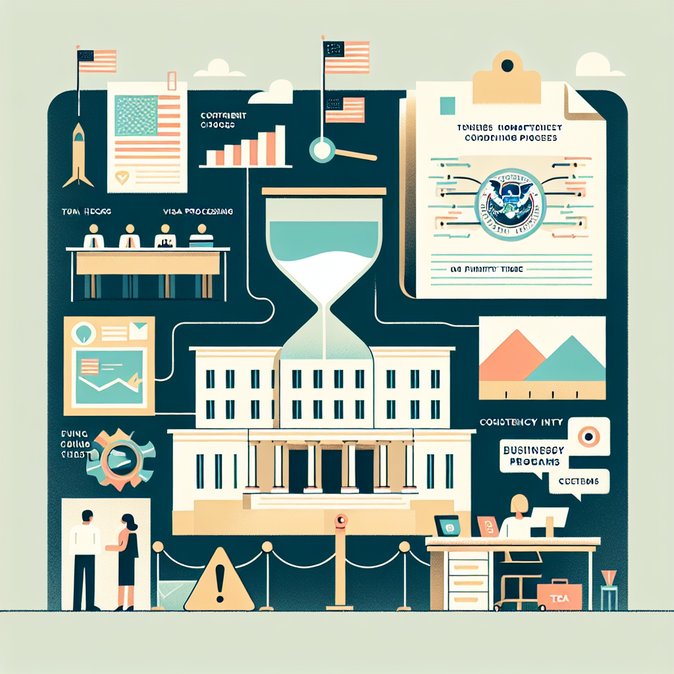
Washington, D.C. – In a rare Saturday-morning vote, the U.S. House of Representatives approved an eight-week continuing resolution to fund the Department of Homeland Security through 22 May, including full budgets for Immigration and Customs Enforcement (ICE) and Customs and Border Protection (CBP). The 213-203 vote came barely 24 hours after the Senate, desperate to end a record DHS shutdown, had unanimously passed its own bill that would have funded the department through 30 September **but deliberately withheld money for ICE and CBP**. Speaker Mike Johnson (R-La.) called the Senate product “a joke,” arguing that any package without robust border-security money would be dead on arrival in the lower chamber. His version drew support from all Republicans and three border-state Democrats but immediately ran into a procedural wall: the Senate departed Friday for a two-week recess. Unless Majority Leader John Thune recalls senators for an emergency session, DHS will remain unfunded and tens of thousands of employees—from TSA agents to immigration adjudicators—will continue working without pay.
For global-mobility stakeholders the distinction between the two bills is critical. Human-capital teams had hoped the Senate language would at least reopen U.S. Citizenship and Immigration Services (USCIS) premium-processing units and restore overtime at consular posts.
![House races ahead with eight-week DHS stopgap that restores full border-security funding, leaving Senate in recess limbo]()
Amid this uncertainty, many mobility managers are leaning on third-party visa facilitators like VisaHQ to keep assignments moving. The firm can track shifting consular capabilities, reroute applications to still-functioning posts and arrange emergency appointments, giving HR departments a single dashboard to monitor every case in real time. More details are available at https://www.visahq.com/united-states/
The House bill does that **and** restarts workplace and interior enforcement—meaning employers could once again face I-9 audits and work-site raids as soon as the president signs it. Until the chambers reconcile their competing texts, however, none of those services will resume. Airports, meanwhile, remain in triage mode. Industry group A4A urged the Senate to reconvene, warning of “systemic risk” to the busiest spring-travel period in four years. Large corporates are pressuring both parties: a letter spearheaded by the Business Roundtable and signed by more than 120 CEOs said the shutdown “inflicts immediate costs on supply-chain fluidity, executive mobility and America’s global competitiveness.” The legislative stare-down now turns to whether the Senate blinks first. Aides say informal talks are underway over the recess, but with Easter recess travel already booked, few expect senators back in Washington before Wednesday at the earliest. Until then mobility professionals must continue working around a partially paralysed homeland-security apparatus—balancing security-line havoc on the travel side with stalled petitions and compliance uncertainty on the immigration side.
For global-mobility stakeholders the distinction between the two bills is critical. Human-capital teams had hoped the Senate language would at least reopen U.S. Citizenship and Immigration Services (USCIS) premium-processing units and restore overtime at consular posts.

Amid this uncertainty, many mobility managers are leaning on third-party visa facilitators like VisaHQ to keep assignments moving. The firm can track shifting consular capabilities, reroute applications to still-functioning posts and arrange emergency appointments, giving HR departments a single dashboard to monitor every case in real time. More details are available at https://www.visahq.com/united-states/
The House bill does that **and** restarts workplace and interior enforcement—meaning employers could once again face I-9 audits and work-site raids as soon as the president signs it. Until the chambers reconcile their competing texts, however, none of those services will resume. Airports, meanwhile, remain in triage mode. Industry group A4A urged the Senate to reconvene, warning of “systemic risk” to the busiest spring-travel period in four years. Large corporates are pressuring both parties: a letter spearheaded by the Business Roundtable and signed by more than 120 CEOs said the shutdown “inflicts immediate costs on supply-chain fluidity, executive mobility and America’s global competitiveness.” The legislative stare-down now turns to whether the Senate blinks first. Aides say informal talks are underway over the recess, but with Easter recess travel already booked, few expect senators back in Washington before Wednesday at the earliest. Until then mobility professionals must continue working around a partially paralysed homeland-security apparatus—balancing security-line havoc on the travel side with stalled petitions and compliance uncertainty on the immigration side.
More From United States of America
View all
Executive pay order brings relief to TSA but U.S. airports still warn of multi-hour security lines
Nationwide ‘No Kings’ protests snarl downtown traffic and access to federal buildings including USCIS field offices