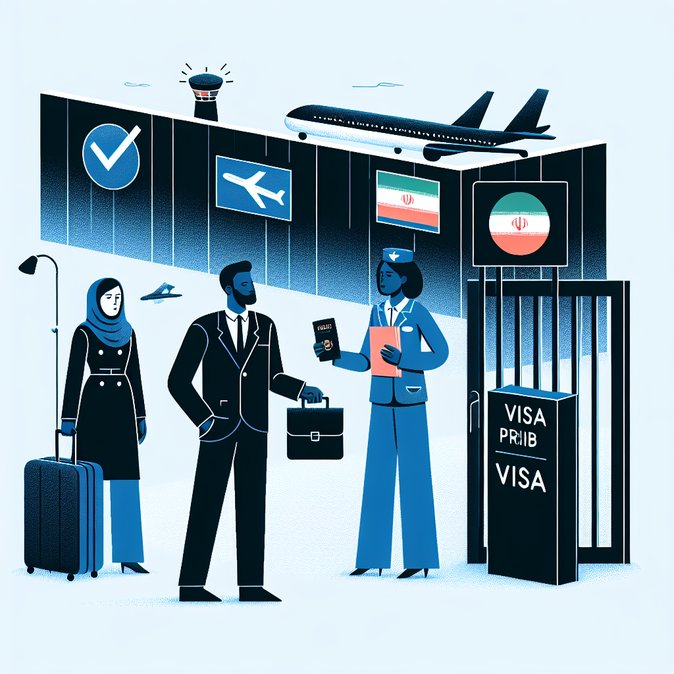
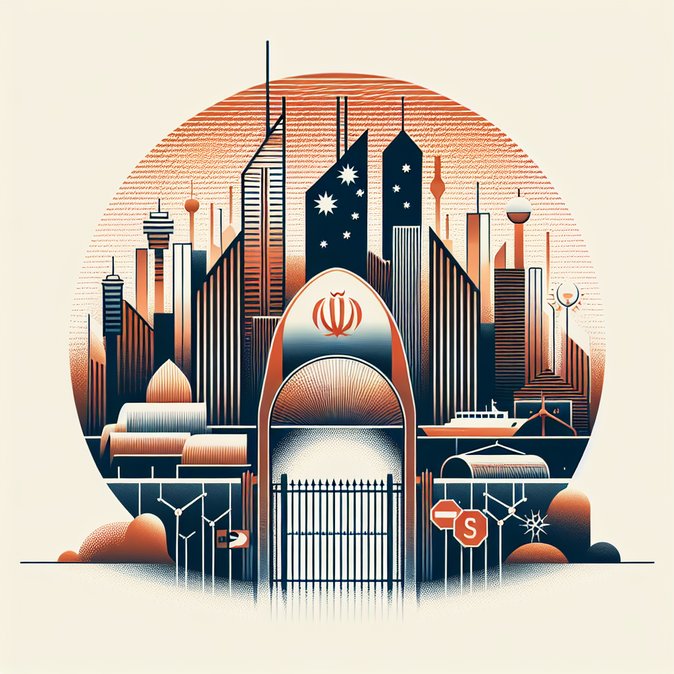
In an extraordinary use of Australia’s brand-new border powers, Home Affairs Minister Tony Burke on 27 March 2026 signed the country’s first Arrival Control Determination, temporarily suspending most Visitor-subclass 600 visas held by Iranian nationals who are outside Australia. The power comes from the Migration Amendment (2026 Measures No. 1) Act 2026, which added Subdivision AGA to the Migration Act and took effect on 14 March. Section 84B allows the minister— with written sign-off from the Prime Minister and the Foreign Minister— to declare that particular classes of temporary-visa holders may not enter Australia for up to six months. Once the determination is in force, section 84E provides that any affected visa “ceases to be in effect”, meaning airlines must deny boarding and a fresh visa is required once the ban lapses. Parliament must be notified within two sitting days, but the instrument itself is not disallowable, giving the executive unusually broad discretion. Home Affairs said the step was taken because the rapidly escalating Iran-Israel conflict and a wave of conscription-age men seeking to leave Iran created “a heightened risk that some Iranian visitor-visa holders would overstay or claim protection”. The department emphasised that the suspension does not apply to permanent residents, immediate family of Australians, or holders of humanitarian visas. Visitor-visa applications already in train will remain on foot but will not be decided until the ban is lifted. Migration agents report that airlines have already updated their systems: several Iranian passengers were denied boarding in Dubai overnight. Community organisations are urging travellers with connecting itineraries to check their status before flying and to carry evidence of exemptions if they believe they qualify.
![Australia invokes new ‘Arrival Control’ powers to suspend Iranian visitor visas for six months]()
For travellers caught in sudden policy shifts like this, VisaHQ can provide up-to-date entry guidance, automated alerts and assistance with lodging fresh Australian visa applications as soon as restrictions ease. Corporate mobility teams can tap into the platform’s tools to track employee status and avoid costly disruptions—see https://www.visahq.com/australia/ for more information.
Human-rights lawyers have warned that affected travellers have no individual merits review; the only remedy is ministerial revocation of the determination itself. For corporates, the case is a wake-up call: holding a granted visa is no longer an absolute guarantee of entry. Mobility teams with Iranian staff, clients or subcontractors scheduled to visit Australia over the next half-year will need contingency plans— including virtual participation or relocation of meetings— and should monitor whether other nationalities are added. The government has hinted that similar pauses could be used during future regional crises or pandemic-type events. Strategically, the move marks the first practical test of Canberra’s post-COVID determination to keep discretionary “traffic-light” controls in its legislative toolkit. While business groups accept the national-interest argument, they are pressing for clear, published criteria so that companies can make forward travel decisions with greater certainty.
For travellers caught in sudden policy shifts like this, VisaHQ can provide up-to-date entry guidance, automated alerts and assistance with lodging fresh Australian visa applications as soon as restrictions ease. Corporate mobility teams can tap into the platform’s tools to track employee status and avoid costly disruptions—see https://www.visahq.com/australia/ for more information.
Human-rights lawyers have warned that affected travellers have no individual merits review; the only remedy is ministerial revocation of the determination itself. For corporates, the case is a wake-up call: holding a granted visa is no longer an absolute guarantee of entry. Mobility teams with Iranian staff, clients or subcontractors scheduled to visit Australia over the next half-year will need contingency plans— including virtual participation or relocation of meetings— and should monitor whether other nationalities are added. The government has hinted that similar pauses could be used during future regional crises or pandemic-type events. Strategically, the move marks the first practical test of Canberra’s post-COVID determination to keep discretionary “traffic-light” controls in its legislative toolkit. While business groups accept the national-interest argument, they are pressing for clear, published criteria so that companies can make forward travel decisions with greater certainty.