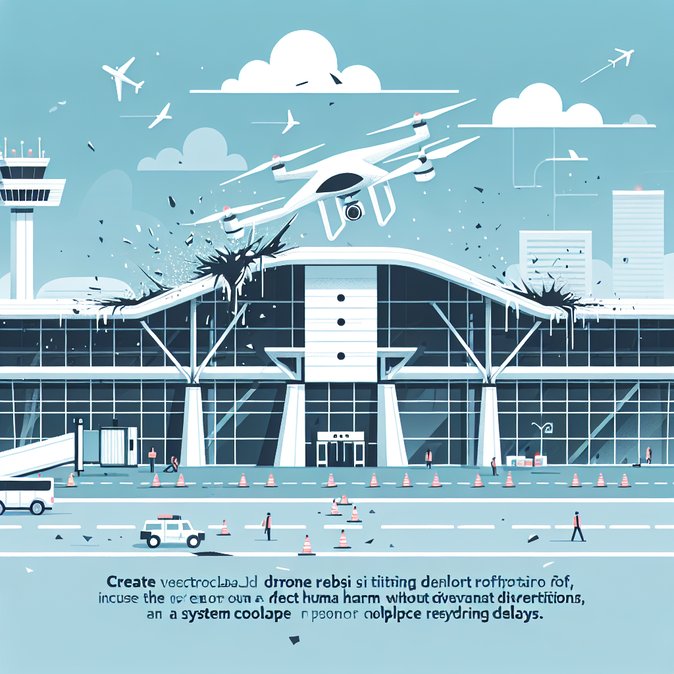
Dubai International Airport (DXB) – the world’s busiest hub for international passengers – was again thrust into crisis in the early-hours of Wednesday, 25 March after what authorities described as “falling drone debris” struck the roof of Terminal 3’s arrivals concourse. According to the UAE Ministry of Defence, fragments from an Iranian-made Shahed-type drone, intercepted over the Gulf, rained down on the airfield at about 01:30 local time, triggering a fire alarm and forcing air-traffic controllers to halt all inbound movements for just under two hours. While no passengers were injured, two ground-handling employees suffered smoke inhalation and minor cuts from shattered glass. Emirates and flydubai diverted 11 flights to Al Maktoum International (DWC), Muscat and Doha before DXB’s northern runway was declared clear at 03:27. Outbound services resumed with average delays of 85 minutes, although airlines warned of “knock-on disruption” through the afternoon peak.
Since Iran began striking Gulf states on 28 February, DXB has now recorded three separate incidents that directly or indirectly damaged airport infrastructure. Each time, Dubai’s Civil Aviation Authority has marshalled rapid-repair teams and relied on the emirate’s second airport, DWC, to keep essential cargo and limited passenger links moving. However, aviation insurers say repeated closures are driving up airline war-risk premiums and could add millions of dollars in operating costs if attacks persist into the summer schedule.
![Drone debris forces brief shutdown of Dubai International Airport Terminal 3]()
In this climate of heightened risk, ensuring that travel documents are in order has never been more critical. VisaHQ, a global visa and passport facilitation platform, can help travellers secure UAE visas or replace lost documents on short notice, providing real-time status updates and dedicated support teams—visit https://www.visahq.com/united-arab-emirates/ for details.
For business-travel managers the latest shutdown underlines the need for flexible routings, proactive re-ticketing policies and real-time traveller tracking. Companies with talent flowing through Dubai are being advised to build in at least 24 hours of contingency, purchase comprehensive travel disruption insurance and monitor airlines’ operational bulletins. Mobility teams should also remind employees that airport access remains restricted to ticketed passengers and that “show-and-go” standby travel is strongly discouraged until security conditions stabilise.
Since Iran began striking Gulf states on 28 February, DXB has now recorded three separate incidents that directly or indirectly damaged airport infrastructure. Each time, Dubai’s Civil Aviation Authority has marshalled rapid-repair teams and relied on the emirate’s second airport, DWC, to keep essential cargo and limited passenger links moving. However, aviation insurers say repeated closures are driving up airline war-risk premiums and could add millions of dollars in operating costs if attacks persist into the summer schedule.

In this climate of heightened risk, ensuring that travel documents are in order has never been more critical. VisaHQ, a global visa and passport facilitation platform, can help travellers secure UAE visas or replace lost documents on short notice, providing real-time status updates and dedicated support teams—visit https://www.visahq.com/united-arab-emirates/ for details.
For business-travel managers the latest shutdown underlines the need for flexible routings, proactive re-ticketing policies and real-time traveller tracking. Companies with talent flowing through Dubai are being advised to build in at least 24 hours of contingency, purchase comprehensive travel disruption insurance and monitor airlines’ operational bulletins. Mobility teams should also remind employees that airport access remains restricted to ticketed passengers and that “show-and-go” standby travel is strongly discouraged until security conditions stabilise.