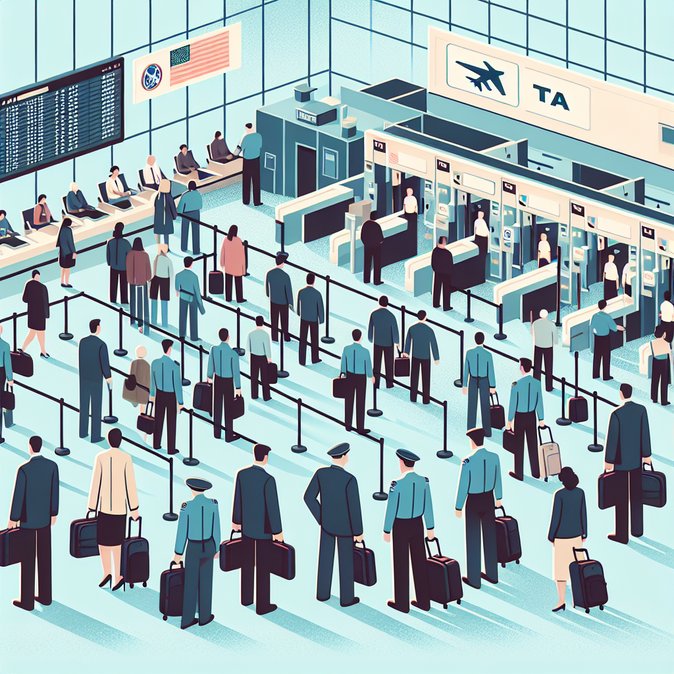
Eight hours ago Reuters confirmed that the U.S. State Department will add 12 nations—including Cambodia, Ethiopia, Georgia and Tunisia—to its contentious visa-bond pilot program on 2 April, bringing the total to 50 countries whose short-term visitors must post a refundable bond of up to $15,000. The expansion, first floated last week, was formalised in an internal cable seen by the news agency and leaked on social media. Under the scheme, consular officers may require applicants for B-1 (business) and B-2 (tourism) visas to pay the bond if they are deemed overstay risks. The amount is refunded when the visitor departs on time or if the visa is refused, but forfeited if the traveller overstays. State says the 2025 pilot saw a 97 percent compliance rate.
![State Department Expands $15,000 Visa-Bond Scheme to 12 More Countries]()
For companies, conference organisers and individual travellers trying to decipher what this means for upcoming trips, VisaHQ can step in as a one-stop resource; its U.S. visa portal (https://www.visahq.com/united-states/) tracks policy shifts in real time and provides application support, document reviews and courier services that can considerably shorten lead times.
Business lobbies argue the bond functions as a “pay-to-play” barrier that will discourage legitimate delegates, especially from emerging markets, from attending conferences or negotiating deals in the United States. Multinationals with overseas subsidiaries must now budget for bond escrow accounts or shift meetings offshore. Human-rights groups denounce the bond as discriminatory because most targeted countries are in Africa and the Caribbean. They warn it could set a precedent for wealth-based entry conditions worldwide. Several of the newly listed governments told Reuters they are considering reciprocal measures or filing complaints at the World Trade Organization. Global mobility teams should immediately update invitation letters and travel policies to reflect the new requirement and work with local counsel to clarify payment logistics through the Treasury’s Pay.gov system. Companies with frequent travellers from the affected countries may opt for longer-term work visas to avoid repeat bonds, though those categories involve higher filing fees and processing times.

For companies, conference organisers and individual travellers trying to decipher what this means for upcoming trips, VisaHQ can step in as a one-stop resource; its U.S. visa portal (https://www.visahq.com/united-states/) tracks policy shifts in real time and provides application support, document reviews and courier services that can considerably shorten lead times.
Business lobbies argue the bond functions as a “pay-to-play” barrier that will discourage legitimate delegates, especially from emerging markets, from attending conferences or negotiating deals in the United States. Multinationals with overseas subsidiaries must now budget for bond escrow accounts or shift meetings offshore. Human-rights groups denounce the bond as discriminatory because most targeted countries are in Africa and the Caribbean. They warn it could set a precedent for wealth-based entry conditions worldwide. Several of the newly listed governments told Reuters they are considering reciprocal measures or filing complaints at the World Trade Organization. Global mobility teams should immediately update invitation letters and travel policies to reflect the new requirement and work with local counsel to clarify payment logistics through the Treasury’s Pay.gov system. Companies with frequent travellers from the affected countries may opt for longer-term work visas to avoid repeat bonds, though those categories involve higher filing fees and processing times.