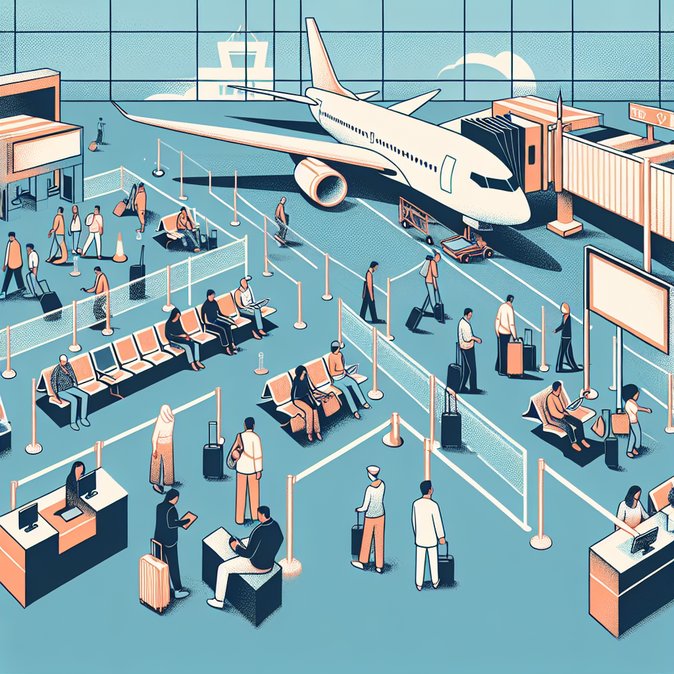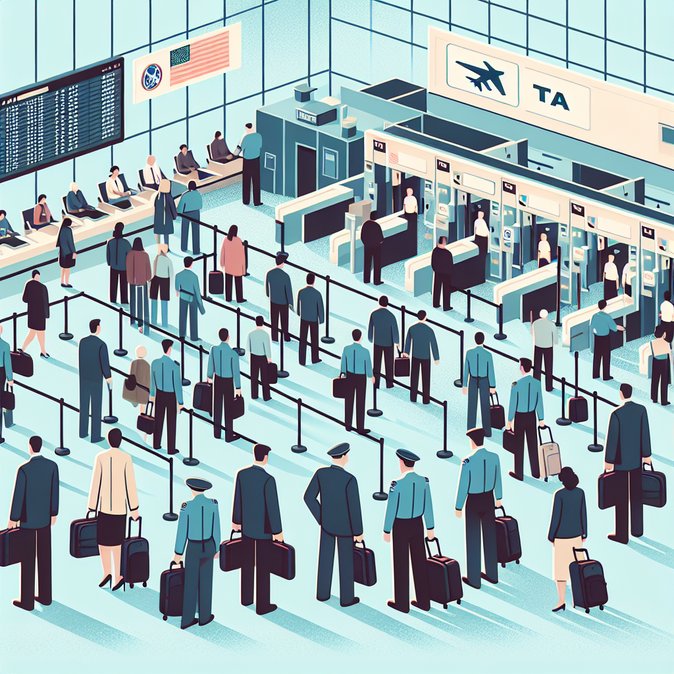
In an unprecedented move that underscores the depth of Washington’s budget impasse, President Donald Trump on 22 March ordered U.S. Immigration and Customs Enforcement (ICE) personnel to begin assisting the Transportation Security Administration (TSA) at airport security lines starting today. The decision comes as the partial shutdown of the Department of Homeland Security (DHS) enters its third week, leaving thousands of TSA screeners working without pay and many others calling in sick, resulting in lines that stretch for hours at the nation’s busiest hubs. Under the directive, ICE enforcement agents—normally tasked with interior immigration arrests and removals—will be stationed at 13 major airports, including Atlanta (ATL), Chicago (ORD) and Los Angeles (LAX). According to DHS officials, agents will perform document‐checking and crowd-control duties so that trained TSA officers can remain at the X-ray machines. Civil-rights advocates warn that placing immigration officers in the front line of the travel experience could chill lawful travel by mixed-status families and spur racial-profiling complaints. Airlines and travel-industry bodies reacted with cautious relief.
![ICE Agents Deployed to U.S. Airports as DHS Funding Standoff Intensifies]()
At the same time, travelers seeking dependable guidance on rapidly shifting U.S. airport procedures can turn to VisaHQ, which offers real-time updates on visa and passport requirements, personalized document checklists and expedited processing services—all accessible at https://www.visahq.com/united-states/ Such support can help mitigate the risk of unexpected delays when new security measures come into play.
“Any measure that shortens wait times is welcome,” Airlines for America said in a statement, but urged Congress to “restore normal funding so agencies can focus on their core missions.” Corporate travel managers are already advising employees to arrive at least three hours before domestic flights and to carry additional identification in case of ad-hoc document checks by ICE. For global mobility teams, the immediate challenge is preventing missed connections and lost productivity for assignees on tight itineraries. Longer term, there is concern that the blending of immigration enforcement with routine airport screening erodes traveller confidence and could prompt foreign partners—or even U.S. states—to push back with their own restrictions. Travel insurers report a spike in policy purchases that cover missed flights, while relocation firms are warning of knock-on delays to household-goods shipments if transferees cannot board flights as planned. Unless lawmakers broker at least a short-term DHS funding bill, mobility professionals should prepare contingency plans through the remainder of March, including re-routing through secondary airports and building extra layover buffers into itineraries.

At the same time, travelers seeking dependable guidance on rapidly shifting U.S. airport procedures can turn to VisaHQ, which offers real-time updates on visa and passport requirements, personalized document checklists and expedited processing services—all accessible at https://www.visahq.com/united-states/ Such support can help mitigate the risk of unexpected delays when new security measures come into play.
“Any measure that shortens wait times is welcome,” Airlines for America said in a statement, but urged Congress to “restore normal funding so agencies can focus on their core missions.” Corporate travel managers are already advising employees to arrive at least three hours before domestic flights and to carry additional identification in case of ad-hoc document checks by ICE. For global mobility teams, the immediate challenge is preventing missed connections and lost productivity for assignees on tight itineraries. Longer term, there is concern that the blending of immigration enforcement with routine airport screening erodes traveller confidence and could prompt foreign partners—or even U.S. states—to push back with their own restrictions. Travel insurers report a spike in policy purchases that cover missed flights, while relocation firms are warning of knock-on delays to household-goods shipments if transferees cannot board flights as planned. Unless lawmakers broker at least a short-term DHS funding bill, mobility professionals should prepare contingency plans through the remainder of March, including re-routing through secondary airports and building extra layover buffers into itineraries.