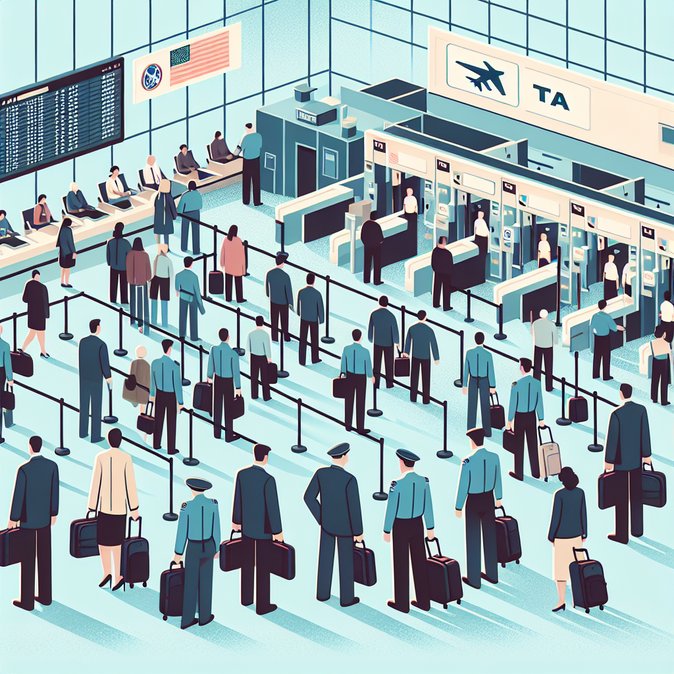
A Toronto Star investigation circulating widely on U.S. social media today reveals that U.S. Customs and Border Protection (CBP) officers conducted 55,318 searches of travellers’ phones, laptops and, for the first time, smartwatches in 2025—a 17 percent increase over the previous year. Immigration attorneys interviewed warn that refusal to unlock a device can trigger denial of entry or forensic imaging of data. CBP defends the practice as a vital intelligence tool that uncovered 309 “national-security leads” last year, but provides scant detail on how long copied data are stored or with which agencies they are shared. The agency’s handbook allows officers to scroll through social-media apps, email drafts and even deleted files without a warrant at the border, arguing that travellers have a diminished expectation of privacy.
For corporate mobility programs, the uptick raises red flags around trade-secret exposure and GDPR compliance for EU nationals entering the United States.
![CBP Electronic-Device Searches Jump 17 Percent; Wearables Now in Scope]()
VisaHQ, an online visa and passport application platform, can help both leisure travellers and corporate mobility managers navigate these evolving entry requirements. Its U.S. portal (https://www.visahq.com/united-states/) offers real-time guidance on documentation, electronic consent forms and best practices for protecting personal or proprietary data when crossing the border, ensuring that travellers stay informed about policies like CBP’s device-search protocols before they depart.
Companies should instruct assignees to travel with clean devices or use secure “loaner” hardware containing only essential files. Lawyers also recommend disabling biometric unlock features before arrival, as officers can compel fingerprints but must request a passcode. Civil-liberties groups are renewing calls for Congress to pass the bipartisan “Protecting Data at the Border Act,” which would require a warrant for device searches and limit data retention to seven days. Until then, global travellers should assume any data on their person is subject to inspection and plan accordingly.
For corporate mobility programs, the uptick raises red flags around trade-secret exposure and GDPR compliance for EU nationals entering the United States.

VisaHQ, an online visa and passport application platform, can help both leisure travellers and corporate mobility managers navigate these evolving entry requirements. Its U.S. portal (https://www.visahq.com/united-states/) offers real-time guidance on documentation, electronic consent forms and best practices for protecting personal or proprietary data when crossing the border, ensuring that travellers stay informed about policies like CBP’s device-search protocols before they depart.
Companies should instruct assignees to travel with clean devices or use secure “loaner” hardware containing only essential files. Lawyers also recommend disabling biometric unlock features before arrival, as officers can compel fingerprints but must request a passcode. Civil-liberties groups are renewing calls for Congress to pass the bipartisan “Protecting Data at the Border Act,” which would require a warrant for device searches and limit data retention to seven days. Until then, global travellers should assume any data on their person is subject to inspection and plan accordingly.