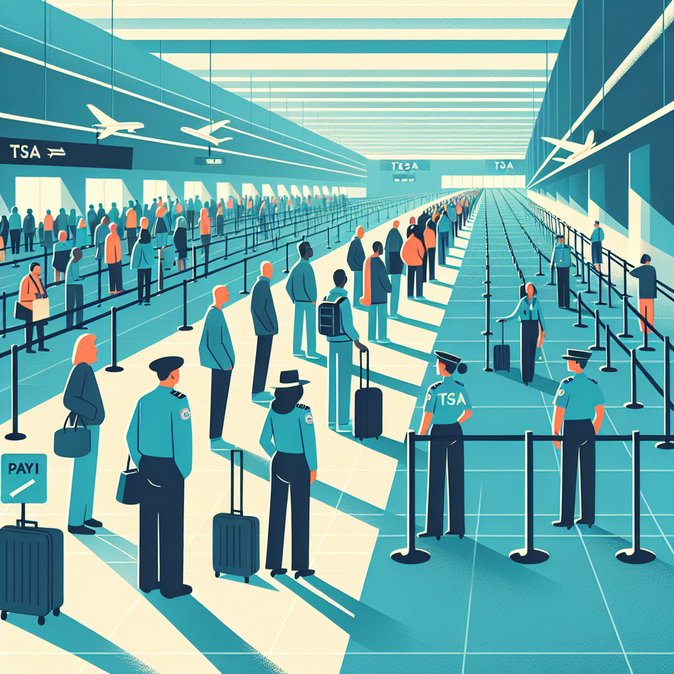
The human toll of the month-long DHS funding lapse became stark on Saturday, 21 March 2026, when the Department of Homeland Security confirmed that 376 Transportation Security Administration officers have quit since paychecks stopped on 16 February. The figure—released quietly in a staff memo obtained by the Associated Press—represents roughly 0.7 % of TSA’s screeners but is concentrated at the nation’s busiest hubs. Houston (IAH) lost 66 officers, Atlanta (ATL) 54 and New Orleans (MSY) 31. At several airports absentee rates topped 30 %, forcing temporary checkpoint closures that sent queues zig-zagging into baggage halls.
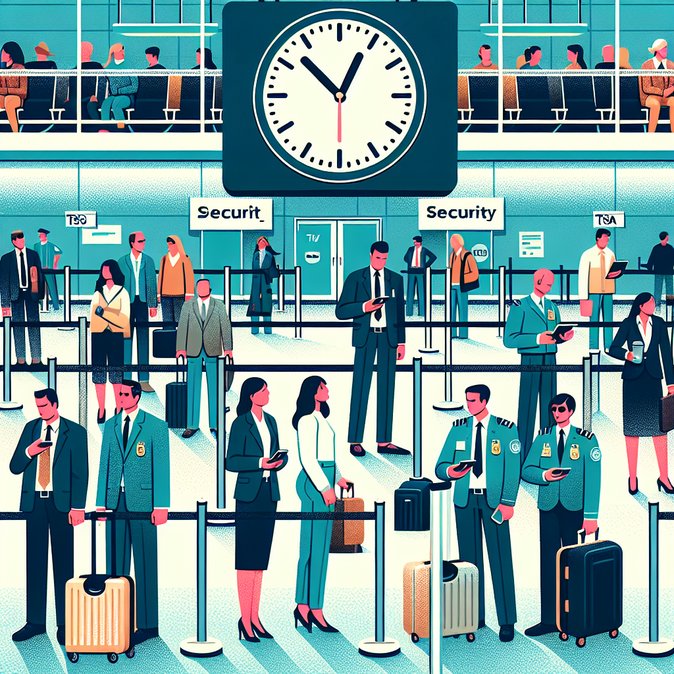
Union leaders say the resignations understate the crisis. “Another 2,100 agents have filed transfer papers to other federal agencies or local police departments,” according to Cameron Cochems, vice-president of American Federation of Government Employees Local 1234 in Boise. The resignations follow last year’s record 43-day federal shutdown, after which TSA attrition jumped 25 %. For global-mobility teams the operational impact is clear: wait-time volatility. Atlanta swung from two-hour lines at 6 a.m. Friday to five minutes by early afternoon, then back to 90 minutes at the evening bank. United and Delta have re-opened a pandemic-era practice of allowing same-day flight swaps inside the corporate booking channel at no fee. Travel managers should update policy language to authorise reimbursable ride-share costs if employees must route to alternative airports with shorter lines.
![Hundreds of Unpaid TSA Officers Resign, Exacerbating U.S. Airport Delays]()
For travelers looking to minimize disruption, VisaHQ can be an invaluable resource. The platform not only expedites visa and passport processing for more than 200 destinations, but also sends real-time alerts on airport security delays and Trusted-Traveller programme changes—crucial intel when TSA staffing is in flux. Mobility teams can create a centralized account at https://www.visahq.com/united-states/ to monitor employee documentation status and receive contingency guidance tailored to each itinerary.
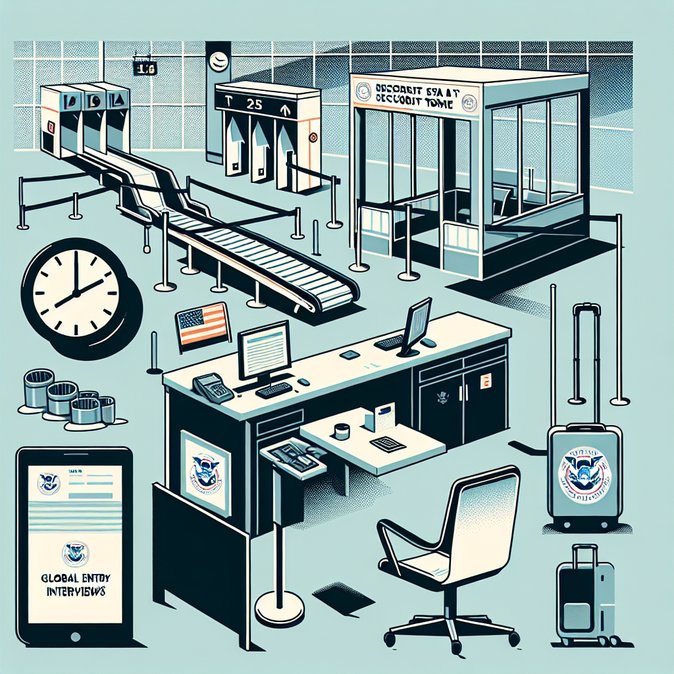
The shutdown’s ripple effects extend to Trusted-Traveller programmes. Global Entry enrolment centres in Denver and Miami have closed because CBP reassigned officers to primary inspection lines. Interviews are still available on arrival but officers warn they may be cancelled without notice. Congress shows little urgency. A House Homeland Security hearing scheduled for Wednesday will examine TSA morale but has no legislative vehicle attached. Without pay restoration, DHS warns absenteeism could double by the end of the month—just as Easter and early-summer assignment rotations accelerate. Employers should build four-hour buffers into itineraries, encourage remote document execution where possible, and keep expatriates apprised of evolving security-lane conditions.
Union leaders say the resignations understate the crisis. “Another 2,100 agents have filed transfer papers to other federal agencies or local police departments,” according to Cameron Cochems, vice-president of American Federation of Government Employees Local 1234 in Boise. The resignations follow last year’s record 43-day federal shutdown, after which TSA attrition jumped 25 %. For global-mobility teams the operational impact is clear: wait-time volatility. Atlanta swung from two-hour lines at 6 a.m. Friday to five minutes by early afternoon, then back to 90 minutes at the evening bank. United and Delta have re-opened a pandemic-era practice of allowing same-day flight swaps inside the corporate booking channel at no fee. Travel managers should update policy language to authorise reimbursable ride-share costs if employees must route to alternative airports with shorter lines.

For travelers looking to minimize disruption, VisaHQ can be an invaluable resource. The platform not only expedites visa and passport processing for more than 200 destinations, but also sends real-time alerts on airport security delays and Trusted-Traveller programme changes—crucial intel when TSA staffing is in flux. Mobility teams can create a centralized account at https://www.visahq.com/united-states/ to monitor employee documentation status and receive contingency guidance tailored to each itinerary.
The shutdown’s ripple effects extend to Trusted-Traveller programmes. Global Entry enrolment centres in Denver and Miami have closed because CBP reassigned officers to primary inspection lines. Interviews are still available on arrival but officers warn they may be cancelled without notice. Congress shows little urgency. A House Homeland Security hearing scheduled for Wednesday will examine TSA morale but has no legislative vehicle attached. Without pay restoration, DHS warns absenteeism could double by the end of the month—just as Easter and early-summer assignment rotations accelerate. Employers should build four-hour buffers into itineraries, encourage remote document execution where possible, and keep expatriates apprised of evolving security-lane conditions.