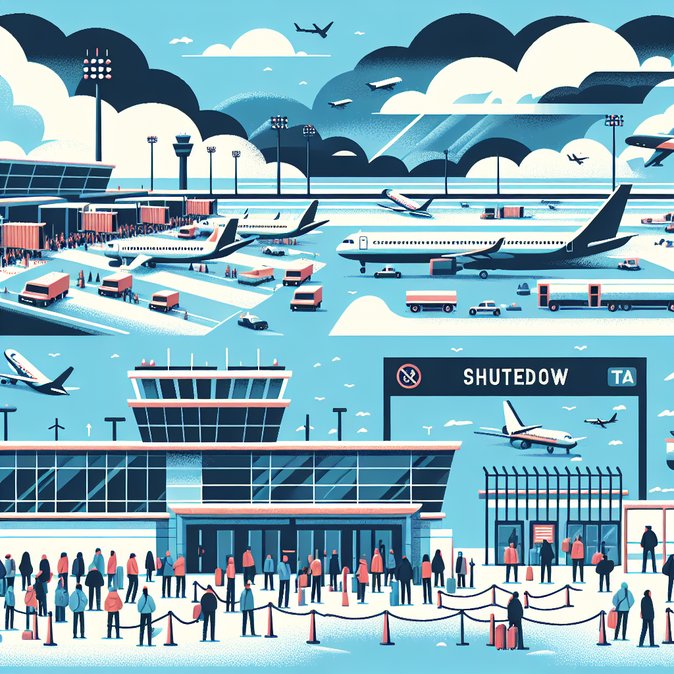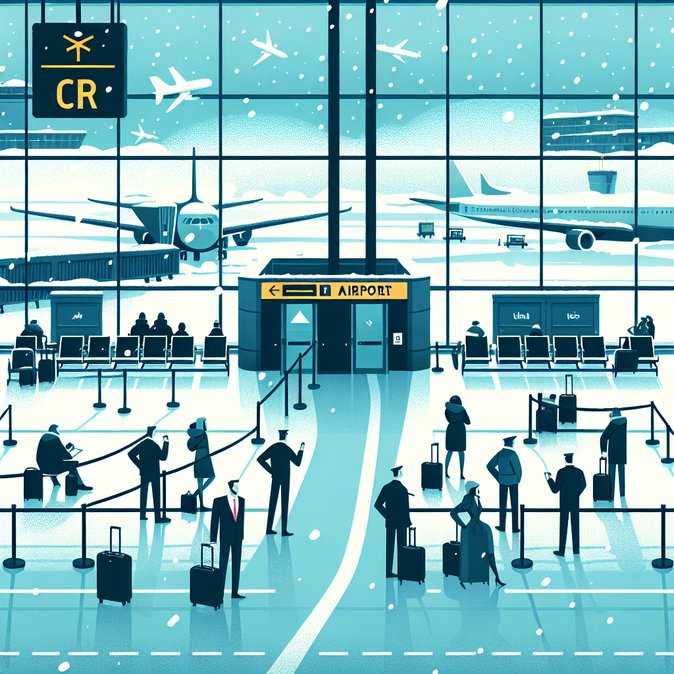
Air travellers across the United States faced a miserable Tuesday, March 17, as airlines worked to recover from a coast-to-coast winter storm that dumped more than a foot of snow in the Midwest before lashing the East Coast with 50 mph wind gusts. According to FlightAware, carriers scrubbed over 1,100 flights and delayed another 7,300—on top of 4,800 cancellations the previous day. Atlanta’s Hartsfield-Jackson International, always a critical hub for business itineraries, recorded 230 cancellations and 770 delays, while New York-LaGuardia, Chicago O’Hare and Boston Logan also reported triple-digit disruption. Weather was only half the story. The partial federal government shutdown that began on February 14 is now in its fifth week, and unpaid Transportation Security Administration (TSA) screening officers are increasingly calling in sick or quitting outright; DHS confirmed Tuesday that 366 officers have resigned since the funding lapse began. Philadelphia International warned passengers to arrive three-plus hours early after TSA closed multiple checkpoints because of short staffing, and union leaders outside Atlanta’s airport said some officers are facing eviction notices while still reporting for duty. Long security lines have a cascading effect: late-arriving crews time-out under FAA duty-time rules, pushing more flights into cancellation even after weather clears. Corporate travel managers are therefore reviving COVID-era contingency playbooks—encouraging video meetings, routing through secondary hubs and buying fully refundable fares—even though demand is peaking for spring-break and March Madness travel.
![Storm-related cancellations and TSA staffing crisis snarl U.S. air network for second straight day]()
During upheavals like these, VisaHQ can take at least one worry off a traveler’s plate. If storm or shutdown chaos forces you to reroute through a country that suddenly requires a transit visa, or if you need supporting documents to extend your U.S. stay, the company’s online platform (https://www.visahq.com/united-states/) streamlines every form, fee and embassy appointment in minutes—giving both individual flyers and corporate mobility teams quick, expert guidance when plans change on the fly.
Airlines are lobbying furiously for Congress to restore Homeland Security funding. Industry estimates from Airlines for America put the daily economic hit of a shutdown-fuelled aviation slowdown at US $140 million, including missed connections, hotel rooms and lost labour productivity. If the shutdown drags into April, analysts warn that Global Entry interviews, already backlogged for months, could also be paused as CBP reallocates officers to primary screening. For travellers who must fly, experts recommend monitoring carrier apps, avoiding tight connections, and packing essentials in carry-on only. Employers should also remind foreign assignees that U.S. visa overstays caused by weather or shutdown delays require documentation—such as carrier delay letters—to support future visa renewals.

During upheavals like these, VisaHQ can take at least one worry off a traveler’s plate. If storm or shutdown chaos forces you to reroute through a country that suddenly requires a transit visa, or if you need supporting documents to extend your U.S. stay, the company’s online platform (https://www.visahq.com/united-states/) streamlines every form, fee and embassy appointment in minutes—giving both individual flyers and corporate mobility teams quick, expert guidance when plans change on the fly.
Airlines are lobbying furiously for Congress to restore Homeland Security funding. Industry estimates from Airlines for America put the daily economic hit of a shutdown-fuelled aviation slowdown at US $140 million, including missed connections, hotel rooms and lost labour productivity. If the shutdown drags into April, analysts warn that Global Entry interviews, already backlogged for months, could also be paused as CBP reallocates officers to primary screening. For travellers who must fly, experts recommend monitoring carrier apps, avoiding tight connections, and packing essentials in carry-on only. Employers should also remind foreign assignees that U.S. visa overstays caused by weather or shutdown delays require documentation—such as carrier delay letters—to support future visa renewals.