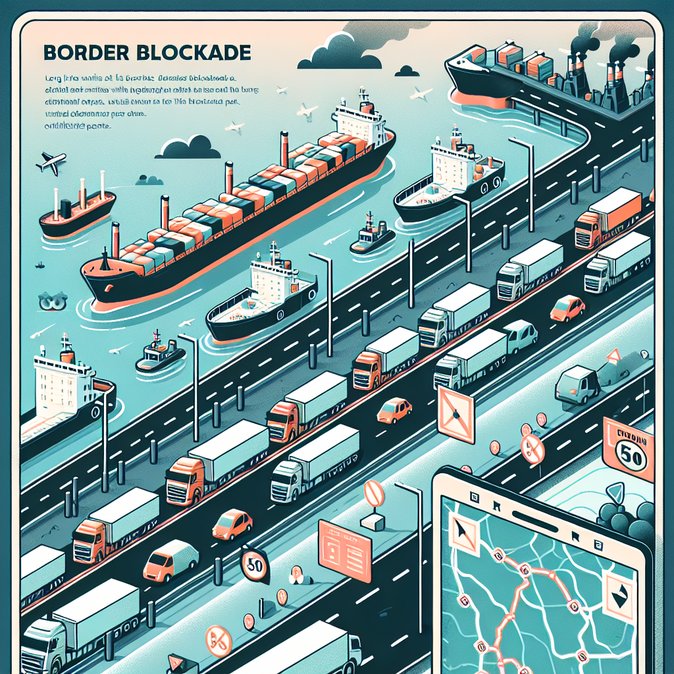
Corporate pilots flying into Poland face new routing headaches after the Civil Aviation Authority activated a temporary restricted zone (TRZ) along the Belarusian and Ukrainian borders on 10 March 2026. The Notice to Airmen—valid until 9 June—bans non-state aircraft below FL150 within a 30-nautical-mile strip running from Suwałki in the north to Przemyśl in the south. The measure, officially justified by “heightened regional security considerations”, was highlighted again in shipper advisories on 16 March after multiple business-jet operators were forced to divert to Rzeszów rather than Lublin. According to dispatch data shared by two fractional-ownership programmes, average en-route time from Berlin to Kraków has increased by 14 minutes because flights must dog-leg westward. The knock-on effect is visible at Warsaw (WAW), where cargo-handling delays already exceeded eight hours on Monday. Lufthansa Technik warns that the TRZ pushes more airfreight onto road legs within Poland, further clogging highways that are already under pressure from the Ukraine blockade. For multinationals the operational implications are three-fold. First, meeting planners should verify slot availability at secondary airports—especially Rzeszów, Łódź and Katowice—where GA traffic is spiking. Second, travellers connecting through Warsaw should expect longer minimum-connection times until ground handlers clear backlogs. Third, companies shipping high-value or time-sensitive goods by ‘combo-cargo’ on passenger jets need to budget for additional trucking legs or premium uplift via Leipzig.
![Three-Month Flight Restriction Zone Over Eastern Poland Affects Corporate Aviation]()
Apart from routing logistics, crews and passengers may also face documentation questions. VisaHQ’s dedicated Poland portal (https://www.visahq.com/poland/) allows operators to secure crew visas, business visas and supporting invitation letters online, consolidating multiple applications in one dashboard and reducing turnaround times when last-minute airport swaps occur.
The Ministry of Infrastructure says the zone is precautionary and subject to “continuous review”, but military analysts note it aligns with NATO air-policing drills scheduled over the Baltic States. Industry associations, including the European Business Aviation Association (EBAA), have requested that Poland publish clearer TRZ entry-permit procedures for medical, diplomatic and maintenance flights. Until the NOTAM is lifted, flight-planning teams should build extra fuel and crew duty margin into itineraries and reconfirm handling agent availability at least 24 hours before departure.

Apart from routing logistics, crews and passengers may also face documentation questions. VisaHQ’s dedicated Poland portal (https://www.visahq.com/poland/) allows operators to secure crew visas, business visas and supporting invitation letters online, consolidating multiple applications in one dashboard and reducing turnaround times when last-minute airport swaps occur.
The Ministry of Infrastructure says the zone is precautionary and subject to “continuous review”, but military analysts note it aligns with NATO air-policing drills scheduled over the Baltic States. Industry associations, including the European Business Aviation Association (EBAA), have requested that Poland publish clearer TRZ entry-permit procedures for medical, diplomatic and maintenance flights. Until the NOTAM is lifted, flight-planning teams should build extra fuel and crew duty margin into itineraries and reconfirm handling agent availability at least 24 hours before departure.