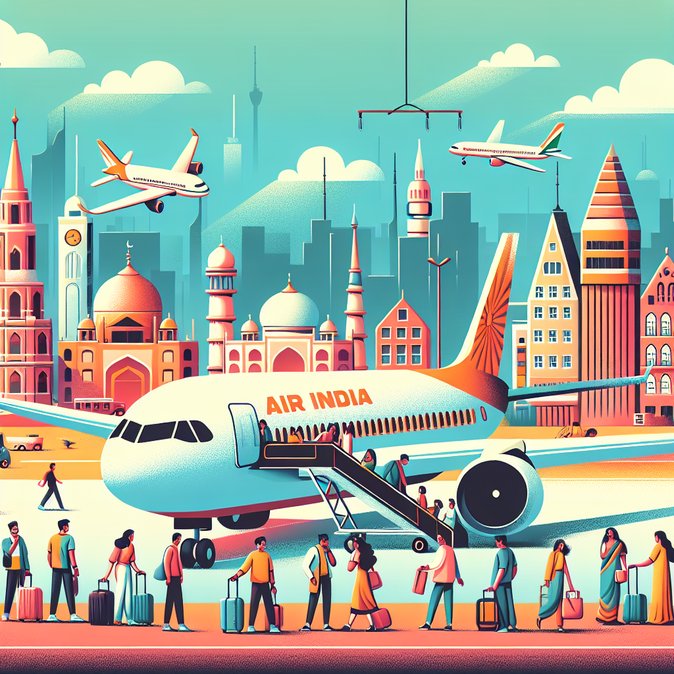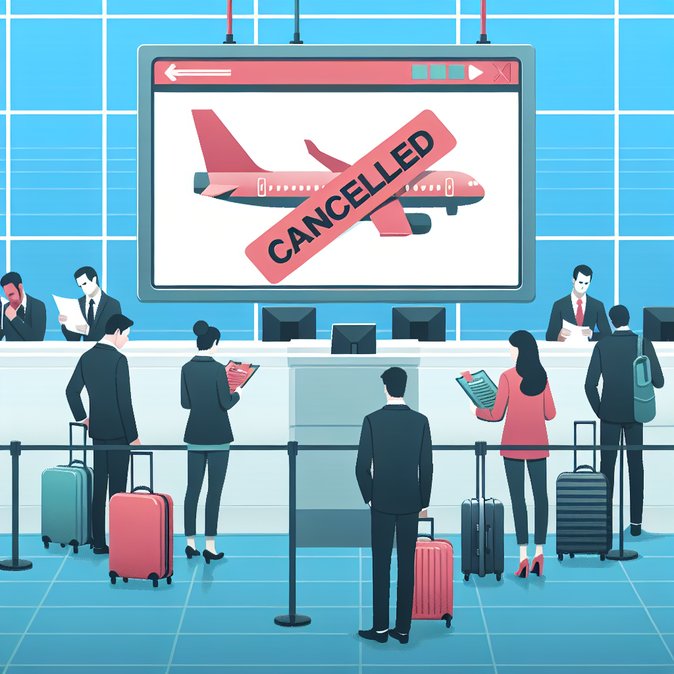
Dozens of India-based tech professionals and returning diaspora members were left scrambling on 15 March 2026 when Air India abruptly cancelled flight AI 173 from Delhi to San Francisco just 12 hours before departure, citing the need to reroute around conflict-affected West Asian airspace. Passengers were rebooked on services as late as 2 April—an extra 19 days—unless they accepted a refund. Several travellers posted receipts showing replacement one-way fares of US $2,400–2,600 on Gulf carriers after corporate-approved alternatives sold out. With more than 400,000 annual India–Bay Area passenger movements, the DEL–SFO nonstop is a lifeline for Silicon Valley assignments, and its disruption ripples through project start-dates, visa-validity windows and family-reunion plans.
Under India’s civil-aviation rules, carriers that cancel within 24 hours must offer either a full refund or an alternate flight within six hours. However, no statute obliges them to fund re-routing on another airline, leaving travellers exposed to “duty-of-care gaps,” lawyers say.
![Last-Minute Air India Cancellation Strands Delhi–San Francisco Passengers, Highlights Route-Risk]()
Travellers looking to minimise those gaps can tap the services of VisaHQ, whose India platform (https://www.visahq.com/india/) provides on-demand visa assistance, document expediting and personalised alerts for flight disruptions and routing changes. By outsourcing the paperwork and compliance checks, mobility teams gain a safety net that keeps staff travel-ready even when carriers reshuffle schedules at the last minute.
Mobility departments are therefore urged to review travel-insurance riders covering ‘extra expenses’ and to pre-authorise a second carrier on critical routes. With Pakistani airspace still closed and Iranian overflights risky, analysts expect sporadic long-haul cancellations to persist through Q2 2026. Meanwhile, Air India said in a brief statement that it is “working to accommodate affected guests at the earliest opportunity” and reviewing its service-recovery protocols.
Under India’s civil-aviation rules, carriers that cancel within 24 hours must offer either a full refund or an alternate flight within six hours. However, no statute obliges them to fund re-routing on another airline, leaving travellers exposed to “duty-of-care gaps,” lawyers say.

Travellers looking to minimise those gaps can tap the services of VisaHQ, whose India platform (https://www.visahq.com/india/) provides on-demand visa assistance, document expediting and personalised alerts for flight disruptions and routing changes. By outsourcing the paperwork and compliance checks, mobility teams gain a safety net that keeps staff travel-ready even when carriers reshuffle schedules at the last minute.
Mobility departments are therefore urged to review travel-insurance riders covering ‘extra expenses’ and to pre-authorise a second carrier on critical routes. With Pakistani airspace still closed and Iranian overflights risky, analysts expect sporadic long-haul cancellations to persist through Q2 2026. Meanwhile, Air India said in a brief statement that it is “working to accommodate affected guests at the earliest opportunity” and reviewing its service-recovery protocols.