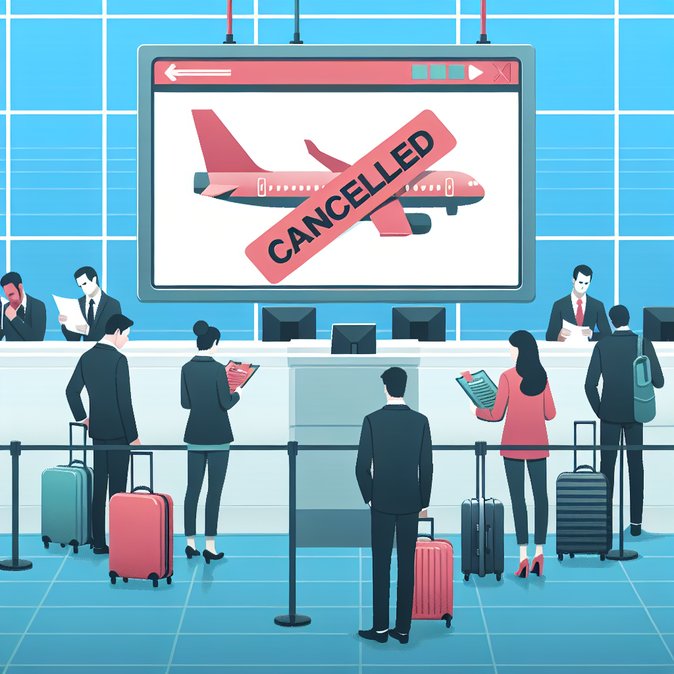
Air traffic between India and the United Arab Emirates ground to a temporary halt on 16 March 2026 after authorities at Dubai International Airport (DXB) ordered a blanket suspension of departures and arrivals. Social-media reports from passengers and airport employees indicate that the move came amid heightened regional security risks linked to the ongoing Iran–Gulf conflict. Indian carriers—including Air India, IndiGo and SpiceJet—were immediately affected. At least nine Air India services headed for DXB or transiting its air-space were forced either to divert to Dubai World Central (DWC) or return to their points of origin. Several IndiGo flights operating on the lucrative Delhi–Dubai and Mumbai–Dubai sectors were routed to Muscat and Doha, while Emirates temporarily halted check-in for India-bound passengers. For corporate mobility managers, the suspension underscored the fragility of Gulf aviation corridors that handle nearly 1,000 India-linked passenger movements per hour. Companies with rotational staff in the UAE technology and construction sectors scrambled to re-book personnel through Bahrain, Muscat and Kuwait. Travel-risk advisers are urging firms to keep duty-of-care check-ins “live” for at least 48 hours after the corridor re-opens, as rolling ground-stops and crew-duty-time limits could trigger further schedule changes. Indian expatriate families returning for the Holi break faced the added headache of visit-visa expiries.
![Flights to and from Dubai Suspended on 16 March, Forcing Diversions for Indian Travellers]()
During such disruptions, third-party services like VisaHQ can help travellers and corporate mobility teams secure rapid UAE visit-visa extensions or alternative entry permits online. The company’s India portal (https://www.visahq.com/india/) offers streamlined document checks, real-time status tracking and expert support, reducing the administrative burden when last-minute rerouting or overstays become unavoidable.
Under current UAE rules, travellers unable to exit because of airline disruptions can apply for a no-cost extension, provided they submit documentary proof of cancellation within 48 hours. Mobility teams should advise employees to retain airline e-mails and obtain stamped “flight-cancelled” letters at the airport to avoid overstay penalties. Although Dubai authorities have since allowed limited arrivals, industry observers warn that any escalation of regional hostilities could see more blanket suspensions. Firms with critical assignees transiting the Gulf are advised to activate contingency routings via Colombo or Singapore until regional NOTAMs stabilise.

During such disruptions, third-party services like VisaHQ can help travellers and corporate mobility teams secure rapid UAE visit-visa extensions or alternative entry permits online. The company’s India portal (https://www.visahq.com/india/) offers streamlined document checks, real-time status tracking and expert support, reducing the administrative burden when last-minute rerouting or overstays become unavoidable.
Under current UAE rules, travellers unable to exit because of airline disruptions can apply for a no-cost extension, provided they submit documentary proof of cancellation within 48 hours. Mobility teams should advise employees to retain airline e-mails and obtain stamped “flight-cancelled” letters at the airport to avoid overstay penalties. Although Dubai authorities have since allowed limited arrivals, industry observers warn that any escalation of regional hostilities could see more blanket suspensions. Firms with critical assignees transiting the Gulf are advised to activate contingency routings via Colombo or Singapore until regional NOTAMs stabilise.