The Albanese government’s long-flagged migration reform reached a critical milestone at 00:01 AEDT on 14 March when Section 84B of the Migration Act – the so-called “Arrival Control Determination” power – quietly commenced. The provision empowers the Minister for Home Affairs, with the written agreement of the Prime Minister and Foreign Affairs Minister, to *pause* the right to travel on entire classes of temporary visas if global developments threaten “the integrity and sustainability of Australia’s migration system”.
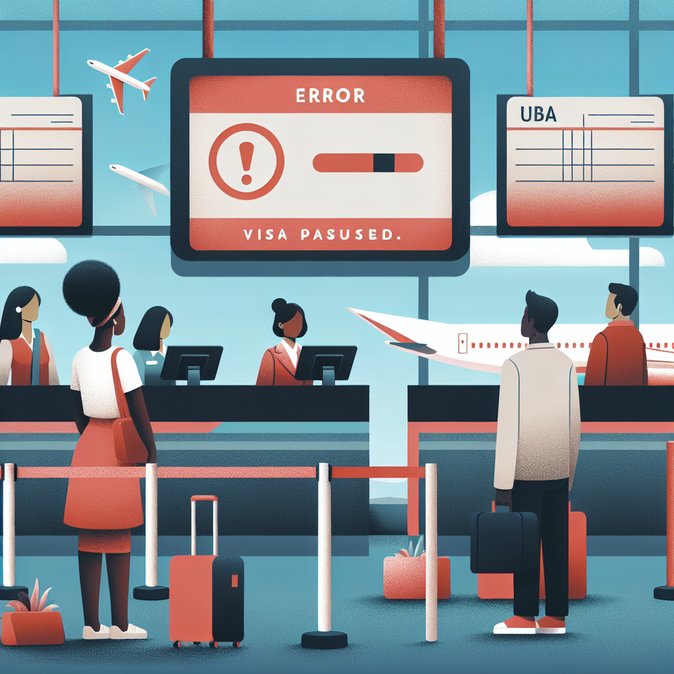
Over the weekend the Department of Home Affairs confirmed to airlines and registered migration agents that the mechanism is now operational. While no cohort-wide ban has been declared, carriers have been told that at short notice they may receive “Do Not Board” messages for passengers whose visas remain valid in ImmiAccount but have been caught by an arrival-control notice.
During periods of such uncertainty, platforms like VisaHQ provide a practical safety net. Through its Australian portal (https://www.visahq.com/australia/), travellers and mobility managers can receive up-to-the-minute alerts on policy changes, verify that a visa remains travel-effective, and access alternative application pathways should a sudden arrival-control notice derail plans.
![Australia’s New ‘Arrival Control’ Powers Go Live, Allowing Visas to Be Paused After Grant]()
A briefing note circulated to major carriers explains that the new system will appear in the Advance Passenger Processing (APP) feed in the same way a visa cancellation does – meaning check-in staff will have to refuse boarding even if a traveller can still see an approved visa in their own account. The reform was introduced after government MPs argued that Australia lacked a rapid-response tool for situations such as sudden regional conflict or a large-scale exodus that could overwhelm compliance resources.
Shadow immigration spokesperson Dan Tehan has offered in-principle bipartisan support but called for a hard 48-hour parliamentary disallowance window so the opposition can test each future determination. Migration lawyers warn the power could strand travellers mid-journey and undermine business confidence. “If a company books a team of specialists to fly in on short notice and one global flash-point prompts a blanket pause, that entire assignment could collapse,” said Sarah Cho, Partner at Deloitte Immigration. She is advising multinationals to insert express force-majeure clauses into mobility contracts and to buy fully flexible tickets for critical staff.
For now, the Department says determinations will be targeted and time-limited, and that an online checker will soon allow travellers to confirm their visa remains ‘travel-effective’ before departing. But industry groups want the checker live before any first use. “The uncertainty could hurt Australia’s reputation as an easy place to do business,” the Australian Chamber of Commerce and Industry said in a statement. Until then, mobility managers should build contingency plans: keep assignments virtual where possible, brief travellers on the new risk, and monitor Home Affairs alerts daily.
Over the weekend the Department of Home Affairs confirmed to airlines and registered migration agents that the mechanism is now operational. While no cohort-wide ban has been declared, carriers have been told that at short notice they may receive “Do Not Board” messages for passengers whose visas remain valid in ImmiAccount but have been caught by an arrival-control notice.
During periods of such uncertainty, platforms like VisaHQ provide a practical safety net. Through its Australian portal (https://www.visahq.com/australia/), travellers and mobility managers can receive up-to-the-minute alerts on policy changes, verify that a visa remains travel-effective, and access alternative application pathways should a sudden arrival-control notice derail plans.

A briefing note circulated to major carriers explains that the new system will appear in the Advance Passenger Processing (APP) feed in the same way a visa cancellation does – meaning check-in staff will have to refuse boarding even if a traveller can still see an approved visa in their own account. The reform was introduced after government MPs argued that Australia lacked a rapid-response tool for situations such as sudden regional conflict or a large-scale exodus that could overwhelm compliance resources.
Shadow immigration spokesperson Dan Tehan has offered in-principle bipartisan support but called for a hard 48-hour parliamentary disallowance window so the opposition can test each future determination. Migration lawyers warn the power could strand travellers mid-journey and undermine business confidence. “If a company books a team of specialists to fly in on short notice and one global flash-point prompts a blanket pause, that entire assignment could collapse,” said Sarah Cho, Partner at Deloitte Immigration. She is advising multinationals to insert express force-majeure clauses into mobility contracts and to buy fully flexible tickets for critical staff.
For now, the Department says determinations will be targeted and time-limited, and that an online checker will soon allow travellers to confirm their visa remains ‘travel-effective’ before departing. But industry groups want the checker live before any first use. “The uncertainty could hurt Australia’s reputation as an easy place to do business,” the Australian Chamber of Commerce and Industry said in a statement. Until then, mobility managers should build contingency plans: keep assignments virtual where possible, brief travellers on the new risk, and monitor Home Affairs alerts daily.