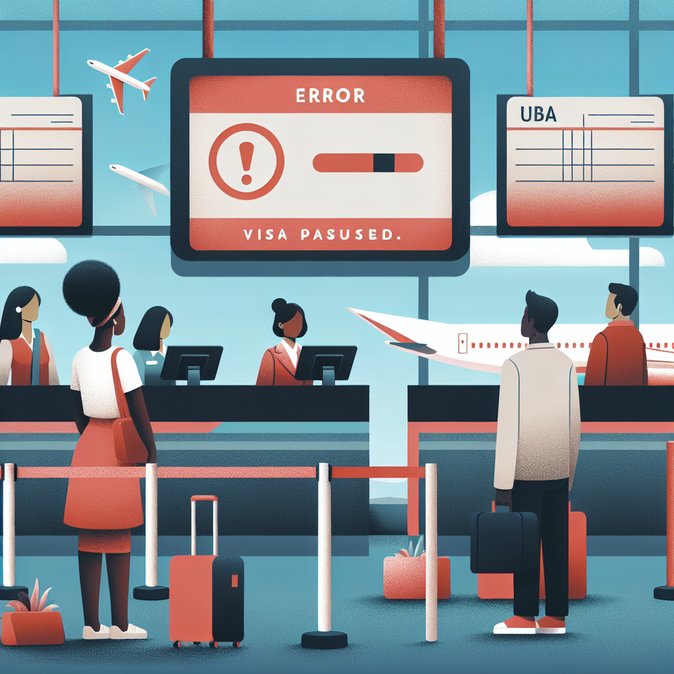
Within 48 hours of Canberra activating its new arrival-control powers, Australia-bound airlines have updated their departure control systems. Qantas, Singapore Airlines and Emirates issued customer advisories on 16 March stating that passengers must now hold a “travel-effective” visa – meaning a visa that is both *granted* and *not currently paused* – before they will be accepted at check-in. The carriers say they have integrated an additional Application Programming Interface (API) field supplied by the Australian Border Force into their departure control platforms. When airport staff scan a passport, the system now returns one of three codes: ‘OK TO BOARD’, ‘VISA INVALID/CANCELLED’, or the new ‘VISA PAUSED – REFER PASSENGER TO EMBASSY’. Qantas told corporate clients the change took effect system-wide at 06:00 AEDT and may result in longer queues while agents verify statuses.
![Airlines Introduce ‘Travel-Effective Visa’ Checks After Canberra’s Weekend Directive]()
For individual travellers unsure whether their paperwork qualifies as “travel-effective,” platforms like VisaHQ can help streamline checks ahead of departure. Its dedicated Australia page (https://www.visahq.com/australia/) provides real-time status look-ups, renewal guidance and notification alerts, giving passengers and travel managers an extra layer of confidence before reaching the check-in desk.
Travel-management companies (TMCs) are scrambling to update pre-trip approval workflows. FCM Travel’s regional risk lead, Jeremy Grant, said the company has added an automated check against the ABF feed two hours before scheduled departure for all Australian sectors. “We expect false positives in the early days, so we’ll have a human escalation path,” he noted. Mobility professionals should alert employees to build more buffer time into connections. Travellers starting itineraries in third-country hubs such as Doha or Kuala Lumpur may not learn of a visa pause until they attempt to board their onward flight, potentially leaving them in transit limbo. Companies are advised to maintain 24/7 duty-of-care hotlines and ensure travellers carry multiple payment methods for emergency accommodation. The International Air Transport Association (IATA) says Australia is the first major economy to layer a *post-grant* pause mechanism on top of standard electronic visa checks. Other jurisdictions, including Canada and the United Kingdom, are “watching closely” as they review their own contingency border powers, an IATA spokesperson told the AFR.

For individual travellers unsure whether their paperwork qualifies as “travel-effective,” platforms like VisaHQ can help streamline checks ahead of departure. Its dedicated Australia page (https://www.visahq.com/australia/) provides real-time status look-ups, renewal guidance and notification alerts, giving passengers and travel managers an extra layer of confidence before reaching the check-in desk.
Travel-management companies (TMCs) are scrambling to update pre-trip approval workflows. FCM Travel’s regional risk lead, Jeremy Grant, said the company has added an automated check against the ABF feed two hours before scheduled departure for all Australian sectors. “We expect false positives in the early days, so we’ll have a human escalation path,” he noted. Mobility professionals should alert employees to build more buffer time into connections. Travellers starting itineraries in third-country hubs such as Doha or Kuala Lumpur may not learn of a visa pause until they attempt to board their onward flight, potentially leaving them in transit limbo. Companies are advised to maintain 24/7 duty-of-care hotlines and ensure travellers carry multiple payment methods for emergency accommodation. The International Air Transport Association (IATA) says Australia is the first major economy to layer a *post-grant* pause mechanism on top of standard electronic visa checks. Other jurisdictions, including Canada and the United Kingdom, are “watching closely” as they review their own contingency border powers, an IATA spokesperson told the AFR.