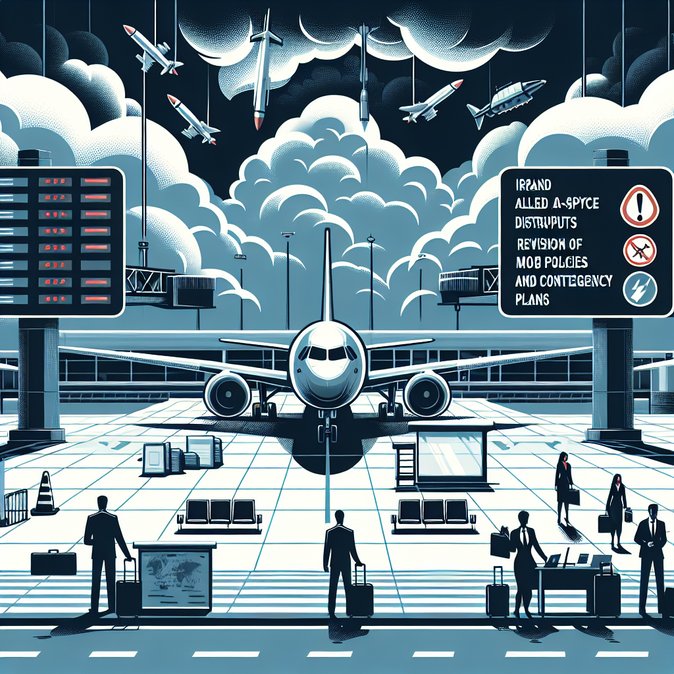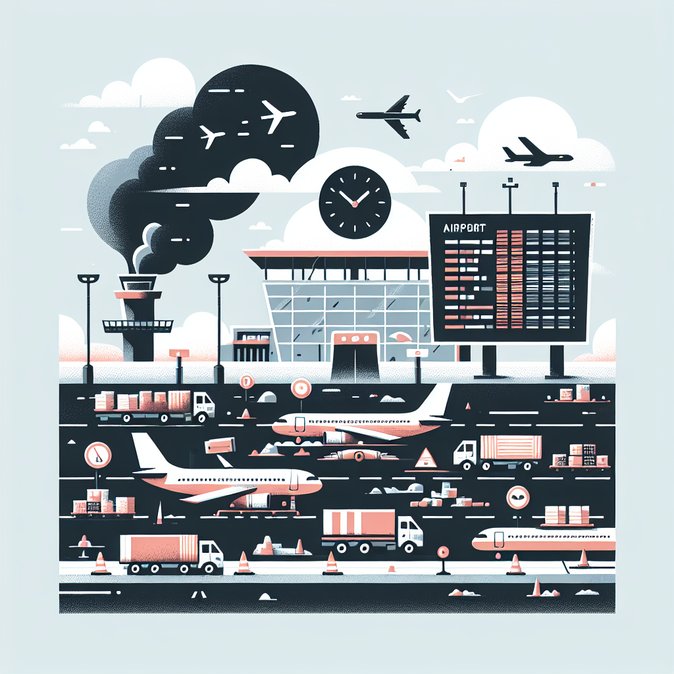
Early on Monday, 16 March 2026, a Shahed-type drone laden with explosives struck a fuel-storage tank just outside Dubai International Airport (DXB), sparking a large fire and triggering an immediate, hours-long suspension of all arrivals and departures. According to UAE authorities, the blaze was contained before it reached nearby jet-fuel hydrant lines, but the incident disrupted more than 300 passenger and cargo movements at the world’s busiest hub for international traffic. DXB’s operator, Dubai Airports, activated its ‘airfield red’ contingency plan: emergency crews extinguished the fire, engineers inspected critical runway lighting and navigation aids, and incoming flights were diverted to Muscat, Riyadh, and Kuwait City. The General Civil Aviation Authority (GCAA) simultaneously issued a Notice to Airmen (NOTAM) closing a 60-nautical-mile radius of UAE airspace for non-military traffic until 10:45 local time. During the closure, Emirates, flydubai and scores of foreign carriers were forced either to cancel services or hold flights on the ground worldwide, stranding tens of thousands of business and leisure passengers. While no casualties occurred at DXB, government media later confirmed one fatality in Abu Dhabi when missile debris hit a civilian vehicle. The Ministry of Defence attributed the attacks to Iran, describing them as part of a wider campaign against Gulf transport infrastructure and warning that further interceptions were likely. Analysts note that even a brief shutdown at DXB has outsized ripple effects: the airport handles roughly 7,300 tonnes of belly-hold freight and 240,000 travellers every day, underpinning regional supply chains and the UAE’s tourism and meetings-industry recovery. Corporate mobility managers are advising travellers with time-sensitive itineraries to consider routing through alternative hubs such as Doha or Jeddah for at least the next 72 hours, to build in longer connection windows, and to maintain real-time notification settings in airline apps.
![Drone strike forces temporary closure of Dubai International Airport]()
For travellers suddenly having to rethink entry requirements as they swap Dubai for another Gulf airport, VisaHQ can streamline the paperwork. Its UAE portal (https://www.visahq.com/united-arab-emirates/) offers instant visa-eligibility checks, expedited e-visa processing, and live status alerts—services that save time when every minute counts amid cascading flight changes.
Insurance providers have already upgraded the UAE to ‘elevated risk – conflict-related disruptions’ status, meaning that change-fee waivers or coverage for additional accommodation may apply. Aviation security consultants also warn that further drone or missile activity could prompt additional rolling closures of Gulf airspace, and companies with regional assignee populations should ensure they have up-to-date emergency-contact details and shelter-in-place protocols. Looking ahead, DXB’s management said the airport has resumed limited operations but is reviewing perimeter defences— including rapid-deploy anti-drone systems and additional fuel-farm hardening. Any sustained perception of vulnerability could accelerate the UAE’s longer-term plans to distribute traffic to Al Maktoum International Airport (DWC) and to invest in hardened bunkering at remote stands. For now, travellers should expect short-notice schedule volatility and heightened security screening throughout the UAE’s airports.

For travellers suddenly having to rethink entry requirements as they swap Dubai for another Gulf airport, VisaHQ can streamline the paperwork. Its UAE portal (https://www.visahq.com/united-arab-emirates/) offers instant visa-eligibility checks, expedited e-visa processing, and live status alerts—services that save time when every minute counts amid cascading flight changes.
Insurance providers have already upgraded the UAE to ‘elevated risk – conflict-related disruptions’ status, meaning that change-fee waivers or coverage for additional accommodation may apply. Aviation security consultants also warn that further drone or missile activity could prompt additional rolling closures of Gulf airspace, and companies with regional assignee populations should ensure they have up-to-date emergency-contact details and shelter-in-place protocols. Looking ahead, DXB’s management said the airport has resumed limited operations but is reviewing perimeter defences— including rapid-deploy anti-drone systems and additional fuel-farm hardening. Any sustained perception of vulnerability could accelerate the UAE’s longer-term plans to distribute traffic to Al Maktoum International Airport (DWC) and to invest in hardened bunkering at remote stands. For now, travellers should expect short-notice schedule volatility and heightened security screening throughout the UAE’s airports.