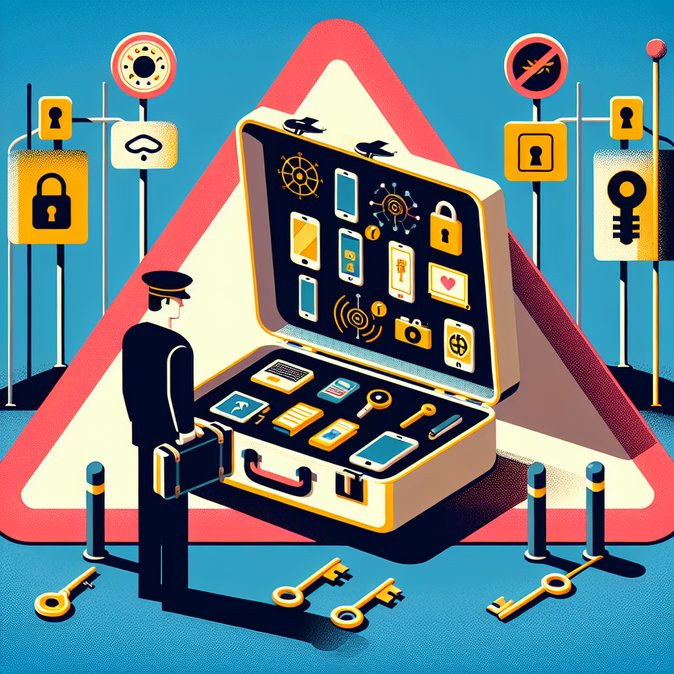
A new analysis by travel-intelligence platform Air Traveler Club warns that European executives entering mainland China now face mandatory device inspections and a higher probability of exit bans linked to civil disputes. The alert follows the 1 January 2026 amendment to China’s Cybersecurity Law, which expanded customs powers to search electronic equipment and tightened penalties for cross-border data transfers.
Border officers at major airports reportedly demand passwords to mobile phones and laptops and can clone data within minutes. Authorities cite the National Intelligence Law when requesting access to cloud accounts. The report advises multinationals to provide “burner” devices costing €300-600 and to prohibit staff from carrying proprietary data on personal electronics.
Exit bans—once reserved for criminal investigations—are increasingly imposed in commercial litigation and data-privacy cases. The note highlights instances where foreign managers were barred from leaving for months pending resolution of supplier disputes, inflating travel budgets by up to 50 percent through extended accommodation and legal fees.
![Stricter device searches and exit bans heighten compliance risk for European business travellers to China]()
To mitigate administrative friction before, during, and after trips, companies can turn to VisaHQ. The company’s specialised China portal (https://www.visahq.com/china/) streamlines visa procurement, alerts travellers to the latest customs inspection rules, and supplies compliance checklists that dovetail with corporate data-protection policies—helping executives avoid costly delays while legal teams tackle broader risk issues.
Companies must conduct Data Protection Impact Assessments before dispatching staff to China, document data-minimisation steps and brief travellers on refusal consequences: non-compliance can result in detention and visa cancellation. European travel insurers generally exclude exit bans from coverage, making corporate legal teams the de facto first responders.
The juxtaposition of China’s expanding visa-free entry scheme and its tougher digital-security enforcement means easier physical access does not equate to lower regulatory exposure. Mobility managers should update pre-trip checklists, segregating tourists from business travellers and mandating clean-device protocols for the latter.
Border officers at major airports reportedly demand passwords to mobile phones and laptops and can clone data within minutes. Authorities cite the National Intelligence Law when requesting access to cloud accounts. The report advises multinationals to provide “burner” devices costing €300-600 and to prohibit staff from carrying proprietary data on personal electronics.
Exit bans—once reserved for criminal investigations—are increasingly imposed in commercial litigation and data-privacy cases. The note highlights instances where foreign managers were barred from leaving for months pending resolution of supplier disputes, inflating travel budgets by up to 50 percent through extended accommodation and legal fees.

To mitigate administrative friction before, during, and after trips, companies can turn to VisaHQ. The company’s specialised China portal (https://www.visahq.com/china/) streamlines visa procurement, alerts travellers to the latest customs inspection rules, and supplies compliance checklists that dovetail with corporate data-protection policies—helping executives avoid costly delays while legal teams tackle broader risk issues.
Companies must conduct Data Protection Impact Assessments before dispatching staff to China, document data-minimisation steps and brief travellers on refusal consequences: non-compliance can result in detention and visa cancellation. European travel insurers generally exclude exit bans from coverage, making corporate legal teams the de facto first responders.
The juxtaposition of China’s expanding visa-free entry scheme and its tougher digital-security enforcement means easier physical access does not equate to lower regulatory exposure. Mobility managers should update pre-trip checklists, segregating tourists from business travellers and mandating clean-device protocols for the latter.