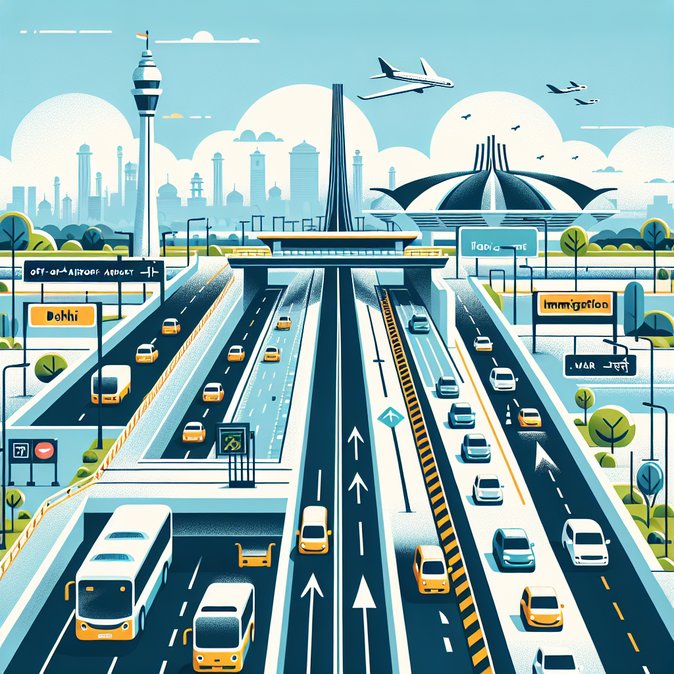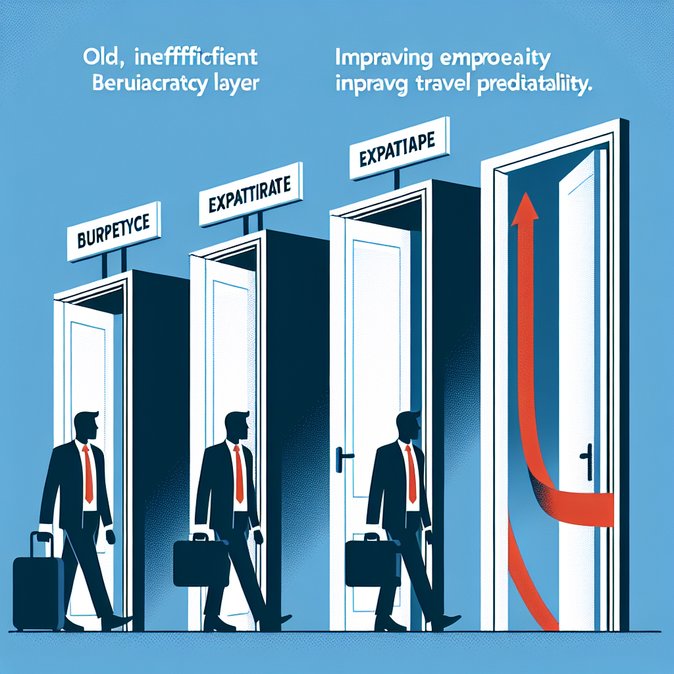
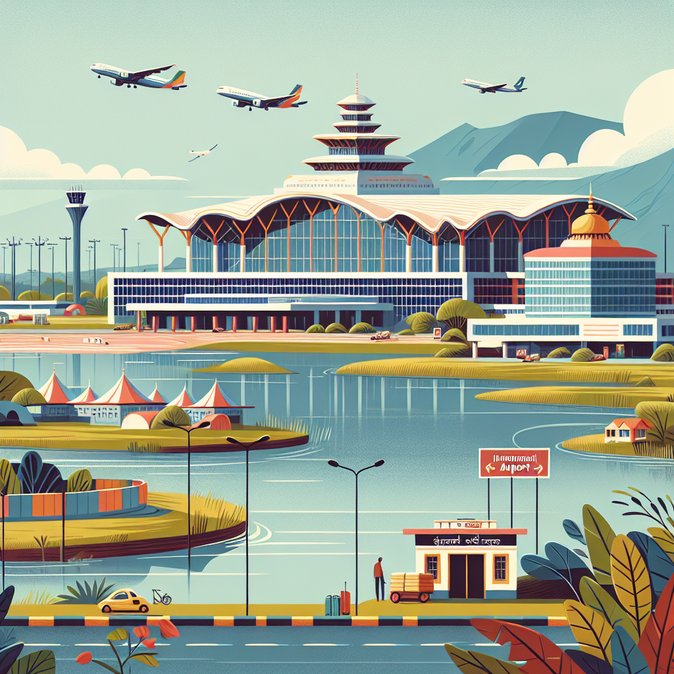
The Union Cabinet chaired by Prime Minister Narendra Modi has officially declared Madurai Airport an international airport, ending years of lobbying by the Tamil Nadu business community and tourism stakeholders. Announced in New Delhi on the evening of March 10, the decision immediately authorises the Airports Authority of India (AAI) and the Ministry of Civil Aviation to notify Customs and Immigration posts and to clear the first scheduled overseas flights once bilateral slots are allocated. Madurai will become Tamil Nadu’s third international gateway after Chennai and Coimbatore. At present the airport handles about 2 million passengers a year, 12 per cent of whom already connect onward to Gulf or Southeast-Asian hubs through Chennai or Bengaluru. Airlines including IndiGo, Air India Express and SriLankan Airlines have submitted proposals to start services to Dubai, Abu Dhabi and Colombo once Immigration counters and duty-free space are ready – a process the AAI says will take 90 days. AAI engineers have already completed a runway-end safety extension and installed Category I instrument-landing aids to meet ICAO standards for wide-body operations. For international assignees and corporate mobility managers, the upgrade removes a significant pain-point. Electronics and textile exporters in the Madurai-Tiruppur corridor currently road-haul samples to Chennai for same-day flights, adding 6-8 hours’ transit time. Direct belly-cargo capacity will compress that window to less than an hour, enabling just-in-time supply chains to Europe and North America. HR directors relocating expatriates to nearby SIPCOT industrial parks also gain a local port of entry with full visa-on-arrival (VoA) facilities for select nationalities once Immigration staffing is in place.
![Union Cabinet Elevates Madurai Airport to International Status]()
For travellers whose passports are not covered by VoA or who need specialised documentation such as business or work permits, VisaHQ can simplify the paperwork maze. Its dedicated India platform (https://www.visahq.com/india/) provides real-time eligibility checks, step-by-step application support and courier logistics, helping passengers secure the correct visas quickly and confidently before they tap into Madurai’s new international connections.
Tourism is expected to be the biggest near-term beneficiary. The Meenakshi Amman Temple attracts over six million domestic pilgrims each year but fewer than 80,000 foreign visitors. Tourism authorities project that number could treble within five years as Southeast-Asian and Middle-Eastern carriers add triangular flights that package the shrine with Bodh Gaya or Colombo. The state government has earmarked ₹120 crore for a dedicated tourism facilitation centre and an international convention complex adjacent to the terminal. Longer term, planners see Madurai as a relief valve for Chennai, whose apron stands at 120 per cent of design capacity during peak hours. By 2031, the AAI forecasts Madurai could handle 7–8 million passengers annually, provided the state accelerates a proposed 8-lane expressway link to the Tiruchi – Kanyakumari Industrial Corridor. The Cabinet decision therefore marks not just a local victory but a strategic re-balancing of international air access across southern India.
For travellers whose passports are not covered by VoA or who need specialised documentation such as business or work permits, VisaHQ can simplify the paperwork maze. Its dedicated India platform (https://www.visahq.com/india/) provides real-time eligibility checks, step-by-step application support and courier logistics, helping passengers secure the correct visas quickly and confidently before they tap into Madurai’s new international connections.
Tourism is expected to be the biggest near-term beneficiary. The Meenakshi Amman Temple attracts over six million domestic pilgrims each year but fewer than 80,000 foreign visitors. Tourism authorities project that number could treble within five years as Southeast-Asian and Middle-Eastern carriers add triangular flights that package the shrine with Bodh Gaya or Colombo. The state government has earmarked ₹120 crore for a dedicated tourism facilitation centre and an international convention complex adjacent to the terminal. Longer term, planners see Madurai as a relief valve for Chennai, whose apron stands at 120 per cent of design capacity during peak hours. By 2031, the AAI forecasts Madurai could handle 7–8 million passengers annually, provided the state accelerates a proposed 8-lane expressway link to the Tiruchi – Kanyakumari Industrial Corridor. The Cabinet decision therefore marks not just a local victory but a strategic re-balancing of international air access across southern India.