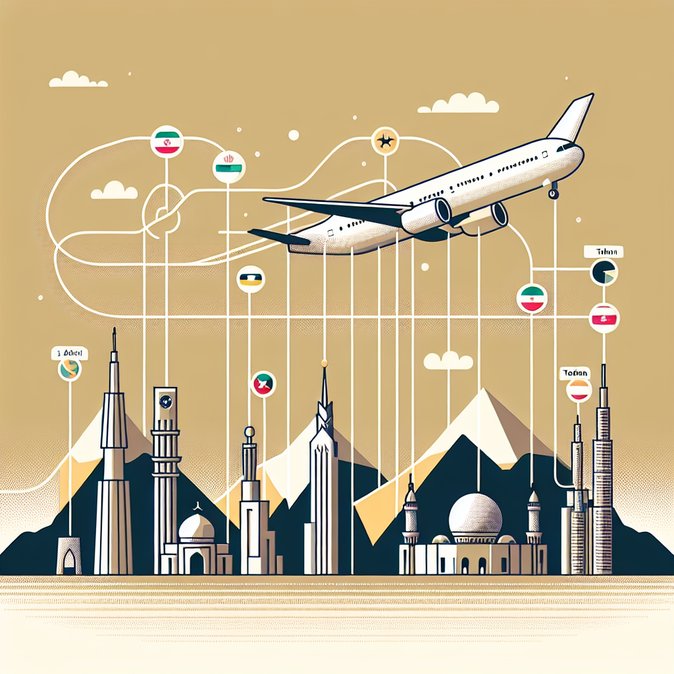
The Lufthansa Group announced on 9 March 2026 that it is prolonging its blanket suspension of flights to several Middle Eastern destinations as missile exchanges between Iran and Israel spill over into neighbouring airspace. According to the statement, services to Tel Aviv remain cancelled until at least 2 April, Beirut until 28 March and Teheran until 30 April. Sister carriers SWISS, Austrian and Brussels Airlines have simultaneously halted operations to Dammam, Dubai and Abu Dhabi until 15 March.
The extension deals a fresh blow to Swiss corporate travellers. Zurich has long served as a mini-hub for Swiss and international companies with regional headquarters in Dubai and Tel Aviv. Ernst & Young estimates that more than 8,000 Swiss nationals were on assignment or long-term projects in the Gulf and Israel when hostilities escalated last month; many now face visa-overstay risks because exit flights were cancelled on short notice. The Swiss Foreign Ministry has advised citizens to register on its Travel Admin app and be prepared for ad-hoc evacuation charters.
Travel-risk consultants say rerouting options are limited. Saudi Arabia’s aviation authority has reserved strategic corridors for military traffic, pushing civilian airlines to detour via Cyprus or the Caucasus and adding up to four hours to Zurich–Bangkok itineraries. Cargo flows have also taken a hit: SWISS WorldCargo reports that semiconductor shipments from Israel’s foundries, used by Swiss watch-movement manufacturers, are being trucked to Aqaba and flown out via Amman.
![Lufthansa Group—including SWISS—extends Middle East flight suspensions amid regional conflict]()
Amid the paperwork scramble this disruption creates, VisaHQ’s Switzerland portal (https://www.visahq.com/switzerland/) can take the stress out of arranging emergency visa extensions or new travel documents. The platform lets travellers and mobility managers submit UAE, Israeli and Schengen applications online, monitor status updates in real time and schedule courier pickups—valuable breathing room when embassy appointments are scarce and every day of overstay can rack up fines.
For mobility managers the immediate task is to secure alternative routings that avoid the conflict zone while keeping transferees compliant. Swiss-issued work visas for the United Arab Emirates allow a 30-day grace period after employment ends, but overstaying can incur fines of AED 100 per day. Immigration counsel therefore urge employers to file extension requests proactively or redeploy staff temporarily to European hubs.
Lufthansa Group said it continues to monitor the security situation “hour by hour” in consultation with national aviation regulators. The carrier has parked affected wide-body aircraft in Munich and Zurich, using the downtime for unscheduled maintenance. Analysts at Bank Vontobel calculate that the extended suspension could shave CHF 45–60 million off SWISS’s first-quarter revenue, underlining how geopolitical shocks can ripple quickly into Switzerland’s open, travel-dependent economy.
The extension deals a fresh blow to Swiss corporate travellers. Zurich has long served as a mini-hub for Swiss and international companies with regional headquarters in Dubai and Tel Aviv. Ernst & Young estimates that more than 8,000 Swiss nationals were on assignment or long-term projects in the Gulf and Israel when hostilities escalated last month; many now face visa-overstay risks because exit flights were cancelled on short notice. The Swiss Foreign Ministry has advised citizens to register on its Travel Admin app and be prepared for ad-hoc evacuation charters.
Travel-risk consultants say rerouting options are limited. Saudi Arabia’s aviation authority has reserved strategic corridors for military traffic, pushing civilian airlines to detour via Cyprus or the Caucasus and adding up to four hours to Zurich–Bangkok itineraries. Cargo flows have also taken a hit: SWISS WorldCargo reports that semiconductor shipments from Israel’s foundries, used by Swiss watch-movement manufacturers, are being trucked to Aqaba and flown out via Amman.

Amid the paperwork scramble this disruption creates, VisaHQ’s Switzerland portal (https://www.visahq.com/switzerland/) can take the stress out of arranging emergency visa extensions or new travel documents. The platform lets travellers and mobility managers submit UAE, Israeli and Schengen applications online, monitor status updates in real time and schedule courier pickups—valuable breathing room when embassy appointments are scarce and every day of overstay can rack up fines.
For mobility managers the immediate task is to secure alternative routings that avoid the conflict zone while keeping transferees compliant. Swiss-issued work visas for the United Arab Emirates allow a 30-day grace period after employment ends, but overstaying can incur fines of AED 100 per day. Immigration counsel therefore urge employers to file extension requests proactively or redeploy staff temporarily to European hubs.
Lufthansa Group said it continues to monitor the security situation “hour by hour” in consultation with national aviation regulators. The carrier has parked affected wide-body aircraft in Munich and Zurich, using the downtime for unscheduled maintenance. Analysts at Bank Vontobel calculate that the extended suspension could shave CHF 45–60 million off SWISS’s first-quarter revenue, underlining how geopolitical shocks can ripple quickly into Switzerland’s open, travel-dependent economy.