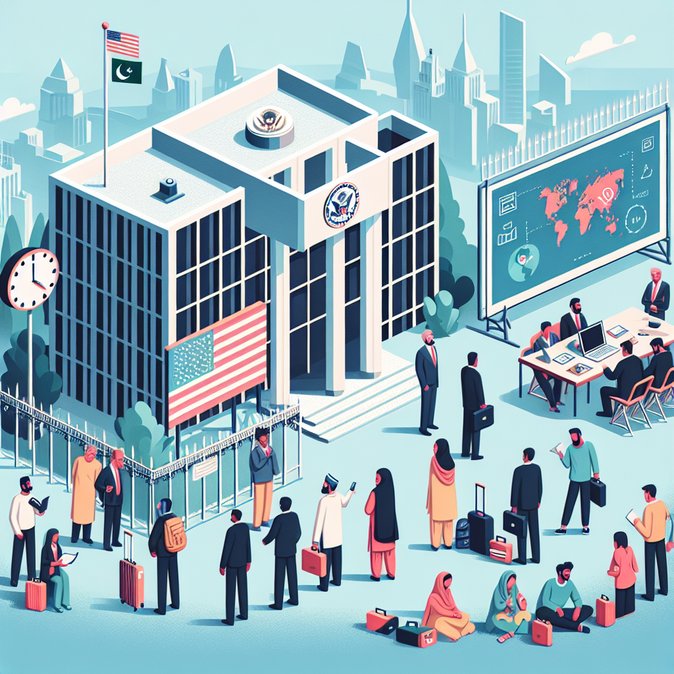
On 8 March 2026 the U.S. Embassy in Dhaka issued an unusually blunt advisory on its verified Facebook page telling prospective travelers to “ensure adequate financial resources” for their entire stay in the United States and to avoid any misuse of taxpayer-funded benefits. The post warns that failure to demonstrate solvency—or abusing public assistance once in the country—could trigger permanent bans on future visas, study, or employment.(travelandtourworld.com)
While aimed at Bangladeshi applicants, the reminder reflects a broader State Department push to tighten scrutiny of financial sponsorship after pandemic-era fraud spikes. Consular officers report a rise in B-visa applicants presenting third-party bank statements or crowd-funded travel budgets that collapse under questioning. Under the Immigration and Nationality Act, a finding of likely public-charge status can lead to visa refusal under section 212(a)(4).
For corporate assignees, the memo underscores the need for thorough documentation—offer letters detailing salary, housing allowances, and medical insurance—to avoid delays. Universities sponsoring F-1 students are likewise revisiting scholarship letters to ensure they cover full cost of attendance plus living expenses.
![US Embassy Dhaka Warns Visa Applicants: Show Financial Means or Risk Future Ineligibility]()
Prospective visitors who feel uncertain about how much proof of funds will satisfy a U.S. consular officer can turn to VisaHQ for up-to-date, step-by-step guidance. The company’s online platform (https://www.visahq.com/united-states/) breaks down current financial documentation standards, reviews supporting letters for completeness, and offers expedited courier options for submitting bank statements or sponsor affidavits—helping applicants avoid the kinds of solvency-related refusals highlighted by the embassy.
The advisory also dovetails with DHS’s expanded public-benefit reporting rules, effective 1 January 2026, which require non-immigrants who receive certain federal benefits to file Form I-944 within 30 days. Failure to comply can jeopardize status extensions and future visa renewals.
Practically, mobility teams should brief recruits from high-risk refusal countries on acceptable proof of funds and counsel against relying on Medicaid, SNAP or other public programs once stateside. The embassy says consular officers “will not hesitate” to annotate passports with permanent-ineligibility codes if misuse is discovered.
While aimed at Bangladeshi applicants, the reminder reflects a broader State Department push to tighten scrutiny of financial sponsorship after pandemic-era fraud spikes. Consular officers report a rise in B-visa applicants presenting third-party bank statements or crowd-funded travel budgets that collapse under questioning. Under the Immigration and Nationality Act, a finding of likely public-charge status can lead to visa refusal under section 212(a)(4).
For corporate assignees, the memo underscores the need for thorough documentation—offer letters detailing salary, housing allowances, and medical insurance—to avoid delays. Universities sponsoring F-1 students are likewise revisiting scholarship letters to ensure they cover full cost of attendance plus living expenses.

Prospective visitors who feel uncertain about how much proof of funds will satisfy a U.S. consular officer can turn to VisaHQ for up-to-date, step-by-step guidance. The company’s online platform (https://www.visahq.com/united-states/) breaks down current financial documentation standards, reviews supporting letters for completeness, and offers expedited courier options for submitting bank statements or sponsor affidavits—helping applicants avoid the kinds of solvency-related refusals highlighted by the embassy.
The advisory also dovetails with DHS’s expanded public-benefit reporting rules, effective 1 January 2026, which require non-immigrants who receive certain federal benefits to file Form I-944 within 30 days. Failure to comply can jeopardize status extensions and future visa renewals.
Practically, mobility teams should brief recruits from high-risk refusal countries on acceptable proof of funds and counsel against relying on Medicaid, SNAP or other public programs once stateside. The embassy says consular officers “will not hesitate” to annotate passports with permanent-ineligibility codes if misuse is discovered.